Moving to Monaco: The Complete Guide to Residency, Cost of Living, and Daily Life
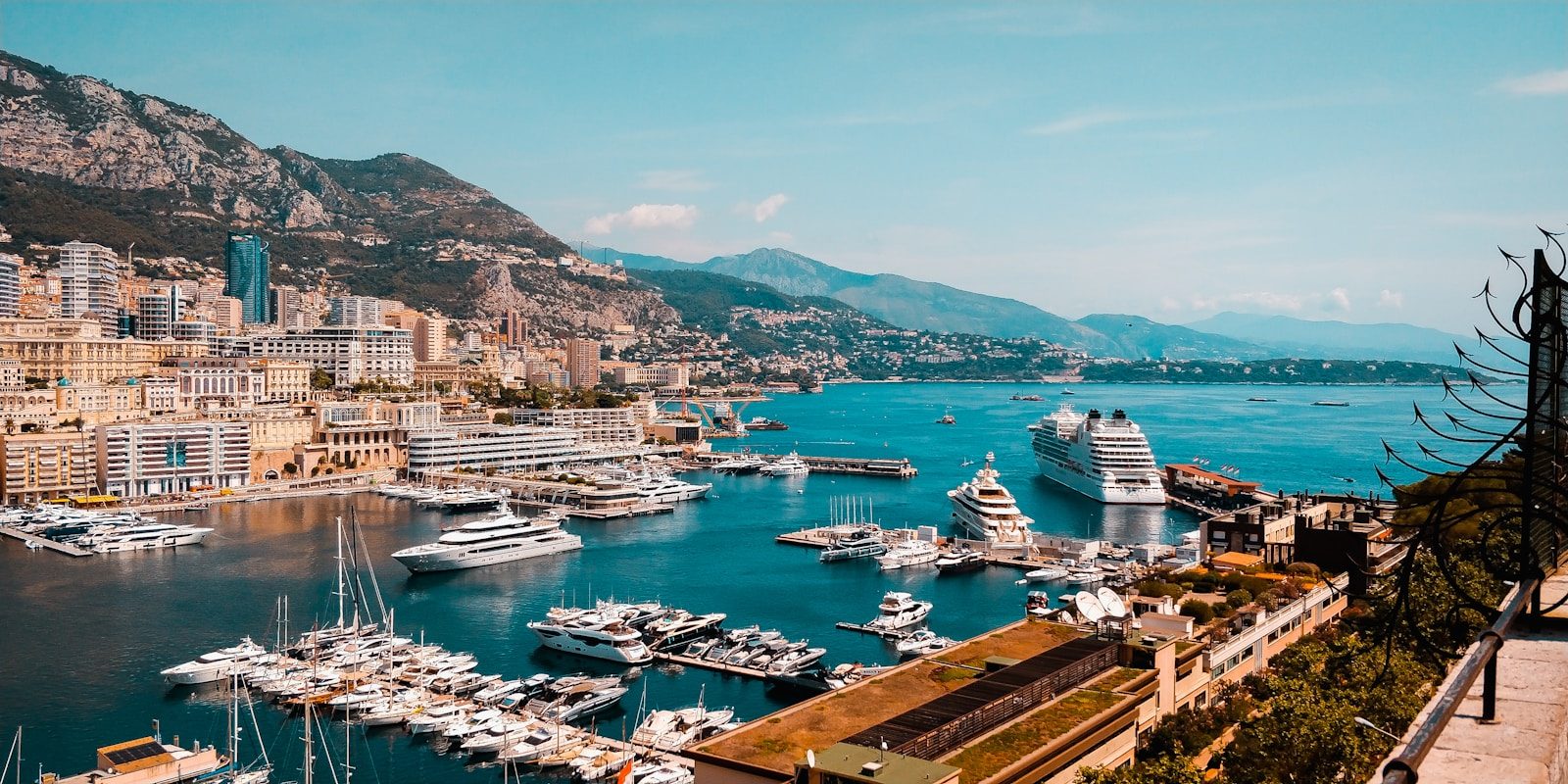
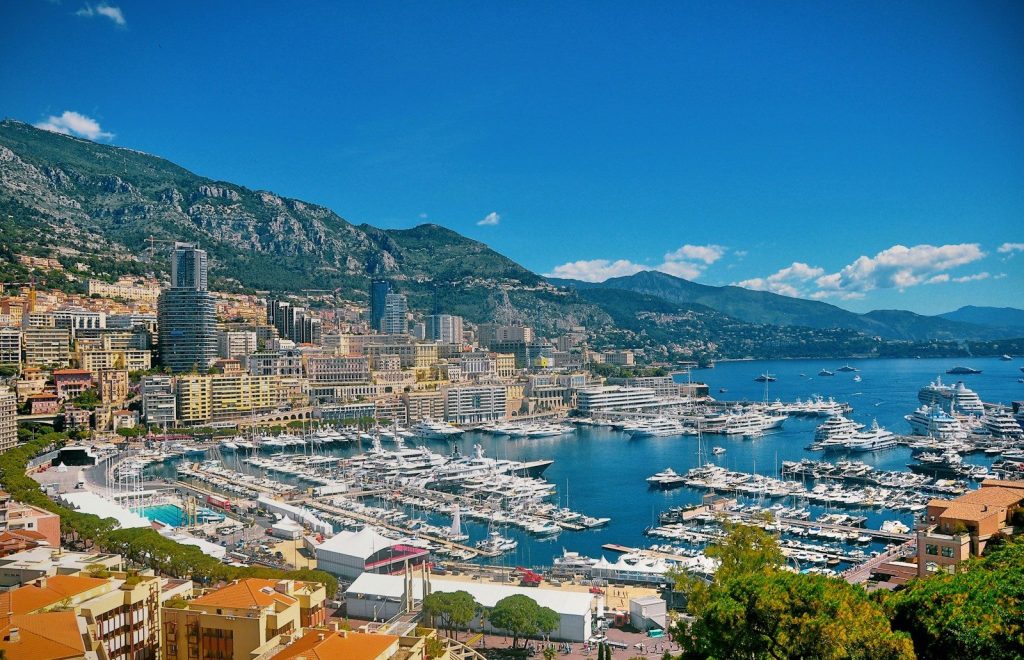
Monaco occupies a peculiar position in the imagination of people who have never lived there. For most, it exists as a set of images: the Casino de Monte-Carlo at night, the roar of Formula One engines through the streets during Grand Prix week, yachts moored in Port Hercule, and the kind of effortless wealth that seems to exist in a different category from ordinary aspiration. The reality of living in Monaco is both more grounded and more genuinely extraordinary than that image suggests.
The Principality is, by most measurable criteria, the most desirable real estate in the world. It is also the most expensive. It is safer than almost anywhere else on earth. It is warmer and sunnier for longer than most of Europe. And for residents who meet the legal criteria, it levies no personal income tax a fact that makes the economics of living there far more interesting than the headline rent figures alone suggest.
This guide is written for people who are seriously considering the move, not for those who enjoy Monaco as an idea from a distance. That means honest numbers, an accurate description of the residency process, a frank account of the costs, and a clear picture of what daily life actually looks like inside 2.02 square kilometres of Mediterranean principality.
Whether you are a high-net-worth individual weighing tax residency, an entrepreneur exploring business formation, a professional offered a role there, or simply someone curious about whether the lifestyle matches the legend this is the information you need.
Why People Move to Monaco
The reasons are clearer than many people expect, and they extend well beyond the obvious.
The tax position is the most commonly cited motivation, and it is real. Monaco has levied no personal income tax on its residents since 1869, making it the longest-standing zero-income-tax jurisdiction in Europe. For an entrepreneur, investor, or senior professional who would otherwise be subject to the 40 to 50 percent top marginal rates of France, Germany, or the United Kingdom, the difference over a decade of residence can amount to tens of millions of euros. The financial logic of Monaco residency is not subtle it is stark and quantifiable.
But reducing Monaco’s appeal to a tax strategy undersells what the place actually is. With over 300 days of sunshine per year and average January temperatures around 10 degrees Celsius, the Mediterranean climate is one of the most consistently pleasant in Europe.
The crime rate is, by global standards, extraordinary Monaco has one of the highest police-to-resident ratios in the world, and the result is a day-to-day security environment that people who have lived there consistently describe as unlike anything they have experienced elsewhere. You can walk alone at any hour without concern. Your car remains where you left it. The sense of personal safety is pervasive and genuine.
The international community is mature and well-established. Of Monaco’s approximately 38,000 residents, only around 9,000 are Monegasque nationals. The remainder come from over 125 countries, with French, Italian, British, Russian, American, and Belgian nationals among the most numerous groups. This creates a cosmopolitan social environment with deep professional networks, genuine cultural diversity, and the kind of multilingual ease French, English, and Italian are all widely spoken that makes international residents feel immediately connected.
Monaco suits high-net-worth individuals and high-income professionals best. Entrepreneurs who can structure their income and business activities to take advantage of Monaco’s tax environment. Retirees with substantial investment portfolios looking for a stable, pleasant, safe base within easy reach of the French Riviera and northern Italy.
Athletes and entertainers the principality has a long tradition of attracting Formula One drivers, tennis players, and business figures from the world of professional sport. And an increasing number of internationally mobile professionals who find that the combination of excellent connectivity to Nice Côte d’Azur Airport and the absence of income tax makes Monaco a financially defensible base even at the cost of the world’s highest rents.

The Complete Guide
Can You Move to Monaco?
The short answer is yes, provided you meet the requirements and those requirements, while substantive, are not as arcane or restrictive as Monaco’s reputation sometimes implies.
Monaco is an independent sovereign state, not a member of the European Union. EU citizens do not have automatic right of residence here in the way they would in another EU member state. However, EU nationals, along with non-EU nationals, can all apply for residency through the same process, with one meaningful distinction: non-EU nationals must first obtain a French long-stay visa (type D) before applying for the Monaco carte de séjour, while EU nationals skip that step.
What Monaco is looking for, fundamentally, is evidence that you can support yourself there without drawing on Monegasque state resources. The principality has no welfare system in the conventional sense, and the residency process is structured around confirming that applicants have the financial means to live in one of the world’s most expensive jurisdictions without needing to work locally (unless they have an authorised employment contract or business structure in Monaco). If you can demonstrate accommodation, financial sufficiency, and a clean record, the process is open to you.
It is also worth noting what Monaco is not. It is not a golden visa programme in the conventional sense there is no direct route to residency through investment in a fund or a real estate purchase price. Buying an apartment in Monaco, however expensive, does not automatically confer residency. The property purchase serves as proof of accommodation for the residency application, not as a qualifying investment in its own right. The distinction matters.
Monaco Residency Requirements
The formal residency permit the carte de séjour is the legal cornerstone of Monaco residence. Without it, you are a visitor, not a resident, and the tax and lifestyle advantages of Monaco are inaccessible.
The application is handled by Monaco’s Directorate of Public Security (Direction de la Sûreté Publique), which is the authority responsible for reviewing and issuing residence permits. The process generally takes between two and five months from the point of submitting a complete application, assuming documentation is in order and no complications arise.
The core requirements are as follows:
Proof of accommodation must demonstrate that you have a property in Monaco either owned or leased that is suitable for your household. A signed lease agreement or title deed is the standard supporting document. The lease must be for a minimum of twelve months on a renewable basis. This is a genuine, practical requirement: you must actually live in Monaco, not simply maintain a nominal address there.
Proof of financial sufficiency is, in practice, the most substantive requirement. Most Monaco banks require a minimum deposit of around €500,000 before issuing the bank reference letter needed for the residency application. Once the deposit is in place, the bank certifies to the authorities that you have the financial resources to sustain yourself.
The deposit amount is set by the bank, not by Monaco law, and different institutions have different minimums some require more. Financial sufficiency can also be demonstrated through employment or self-employment with a Monaco-registered employer or business, through documented pension or investment income, or through financial support from a Monaco resident spouse or parent.
A clean criminal record certificate from your country or countries of residence is mandatory. The certificate must typically be recent issued within the past three to six months and must be apostilled if issued by a non-French-speaking jurisdiction.
Health insurance must be in place before the application is submitted. Most applicants arrange international private health insurance that covers care in Monaco and France.
The in-person interview is a standard part of the process. Applicants attend an appointment at the Sûreté Publique to submit documentation and confirm their intention to live in Monaco. The interview is conducted in French in most cases, and the authorities will ask questions about your background, your plans, and your ties to Monaco.
For non-EU nationals who are not holders of a French residence permit, the process begins with a long-stay (type D) visa from a French embassy or consulate in the applicant’s country of residence. Once the French visa is granted, the applicant travels to Monaco and applies for the carte temporaire.
The residence permit structure follows a staged progression: the first permit is a one-year temporary residence card (renewable annually), followed by a three-year card after three years of residence, and then a ten-year privileged residence card after longer continuous residence. Permanent residency can be applied for after nine years.
Citizenship by naturalisation becomes theoretically possible after ten years of continuous residence, though it requires renouncing all other nationalities a condition that dissuades most long-term residents from pursuing it.
The official information about the residency process and required documentation is published on the Monaco Government portal.
The Complete Guide
Where to Live in Monaco
Monaco is divided into a number of official quarters, each with a distinct character, price point, and lifestyle profile. In a country that covers just two square kilometres, the differences between neighbourhoods are partly about aesthetics and partly about cost and the cost differences are significant.
Monte Carlo is the quarter most associated with Monaco’s international reputation. It contains the Casino de Monte-Carlo, the Hôtel de Paris, the Café de Paris, and the highest concentration of luxury retail, fine dining, and entertainment venues in the principality. The Carré d’Or (Golden Square), within Monte Carlo, commands the highest property prices and rents in Monaco.
The Carré d’Or commands rents of approximately €190 per square metre per month, reaching €229 per square metre for larger apartments. For residents who want to be at the social and commercial heart of Monaco and for whom cost is secondary, Monte Carlo is the default choice.
Larvotto is the beachfront quarter to the east of Monte Carlo, home to Monaco’s only public beach and a cluster of modern residential towers that are popular with younger residents and families. Larvotto averages approximately €115 per square metre per month in rent, placing it at the premium end of the spectrum but below the Carré d’Or. The lifestyle here is more relaxed and residential than the casino district, with beach access as the defining amenity.
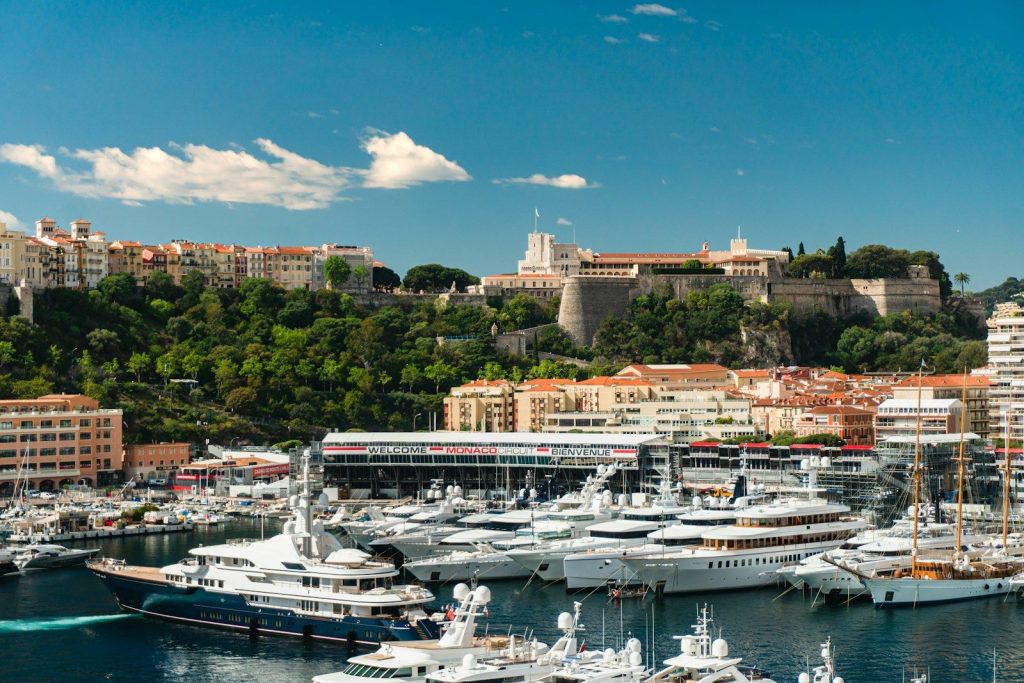
La Condamine sits around the Port Hercule harbour and the commercial centre of Monaco. It has a more animated, market-town character than Monte Carlo the covered market (Marché de la Condamine) is one of the genuine neighbourhood institutions of daily life in Monaco and it is somewhat more accessible in price.
La Condamine rents average €85 to €99 per square metre per month. For residents who want to feel genuinely embedded in the principality’s daily rhythms rather than its luxury showcase, La Condamine has an authenticity that other quarters do not quite match.
Fontvieille is an industrial and light-commercial quarter built on reclaimed land on the western edge of Monaco. It has a more functional, less glamorous character than the residential core, and its lower rents Moneghetti, the residential area adjacent to Fontvieille, averages approximately €77 per square metre per month make it the closest thing Monaco has to a value option. For residents whose priority is establishing and maintaining residency rather than living in the most prestigious district, this area offers meaningful savings at a still-extraordinary cost.
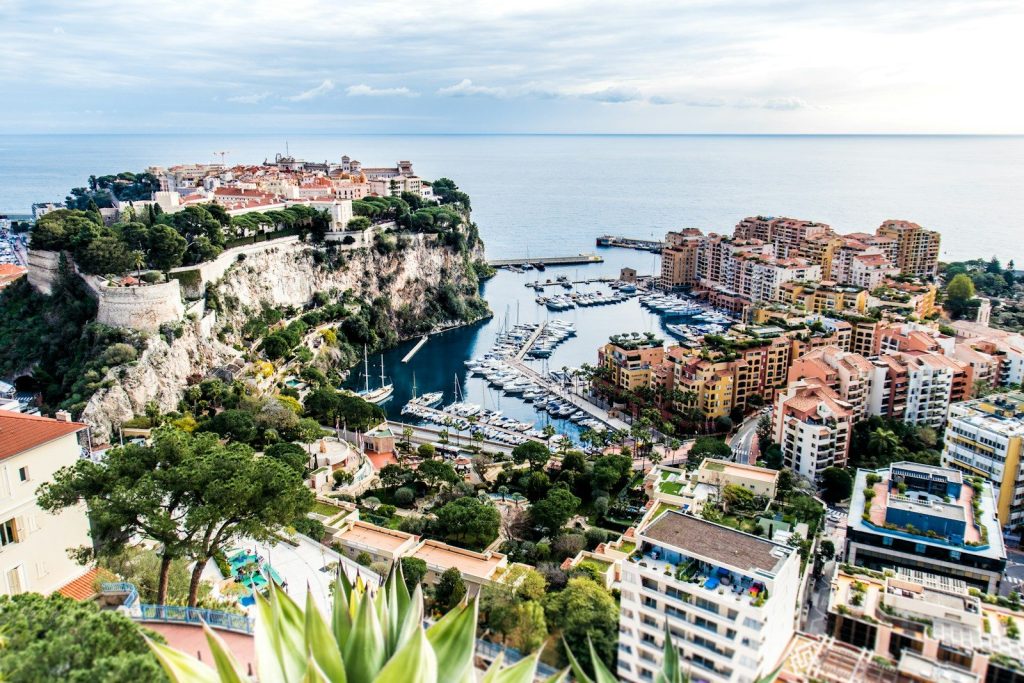
Monaco-Ville (the Rock) is the historic old town perched on the headland above the port, home to the Prince’s Palace, the Cathedral of Our Lady Immaculate, and the Oceanographic Museum. It is small, quiet, and largely residential, with a permanent population of a few hundred. The apartments here are characterful and in high demand, and availability is limited.
Mareterra (formerly known as Portier Cove) is Monaco’s newest quarter, created by reclaiming six hectares of land from the sea to the east of Larvotto. It represents the principality’s most ambitious expansion in generations and offers some of the most architecturally striking new-build properties in Monaco, with prices at the absolute upper end of an already extraordinary market.
Cost of Living in Monaco
No country has a cost of living quite like Monaco’s, and any serious financial planning for a move there must start with honest engagement with the numbers rather than approximations.
According to Savills, Monaco is the most expensive place to rent a home in the world, with average rental prices reaching approximately €114.50 per square metre per month ahead of New York, Paris, Hong Kong, and Singapore. A studio or one-bedroom apartment in a standard location starts at €3,000 to €5,000 per month.
A two-bedroom family apartment runs €5,000 to €15,000 per month. Properties in the Carré d’Or or at Monaco’s most prestigious addresses can reach far beyond these figures there are duplex apartments in Monaco that rent for more than €200,000 per month.
The table below gives a realistic monthly cost breakdown for a single professional and a couple at the standard residential level, excluding the most ultra-luxury properties.
| Expense Category | Single Professional | Couple |
|---|---|---|
| Rent (1-bed apartment, standard district) | €4,000 – €6,000 | €6,000 – €10,000 (2-bed) |
| Groceries (local and French cross-border) | €500 – €800 | €700 – €1,100 |
| Utilities (electricity, water, internet) | €250 – €400 | €300 – €500 |
| Dining out (moderate frequency) | €600 – €1,500 | €1,000 – €2,500 |
| Private health insurance | €300 – €800 | €500 – €1,500 |
| Transport (bus pass, taxis, occasional hire) | €100 – €300 | €150 – €400 |
| Leisure, sport, gym, entertainment | €300 – €800 | €500 – €1,500 |
| Approximate Monthly Total | €6,050 – €10,600 | €9,150 – €17,500 |
The figures above represent a relatively restrained Monaco lifestyle using the public bus network, shopping partly in nearby France, and not dining at Michelin-starred establishments nightly. For those who embrace Monaco’s luxury infrastructure without restraint, monthly expenditure escalates rapidly into five figures.
Many Monaco residents shop in nearby France where prices are typically 20 to 40 percent lower for identical grocery items. The French supermarkets of the Côte d’Azur Carrefour, Intermarché, and others accessible within a 15-minute drive are routinely used by Monaco residents for weekly grocery shopping, moderating what would otherwise be a very steep food budget.
The broader Nice option extends to dining, entertainment, and services many residents frequently dine, shop, and socialise in Nice and the surrounding Riviera, where prices are 30 to 50 percent lower while quality remains high.
One important note that applies primarily to American residents: US citizens living in Monaco still owe annual IRS filings on worldwide income regardless of Monaco’s absence of local income tax. Monaco residency cannot function as a tax optimisation strategy for US passport holders in the way it can for European, British, or Australian residents.
Housing and Rentals in Monaco
The Monaco property market operates by rules that do not apply anywhere else, and understanding them before you engage an agent or start viewing properties will save you time and prevent expensive misunderstandings.
Supply is, structurally, constrained. Monaco cannot expand horizontally it is surrounded by France on three sides and the Mediterranean on the fourth. The Mareterra reclamation project adds six hectares, which is significant in the context of a country this size, but the fundamental supply-demand imbalance that has driven prices upward for decades remains.
According to the latest IMSEE (Institut Monégasque de la Statistique et des Études Économiques) data, the average price of housing in Monaco reached approximately €52,000 per square metre in 2025, representing sustained growth of 44.3 percent over the preceding decade.
For most new residents, rental is the starting point. You need a signed lease before you can make the residency application, and the timeframe for the full process securing accommodation, opening a bank account, assembling documentation, submitting the application, and attending the interview means that acting quickly once you have identified a suitable property is important. The market moves fast, and hesitation can mean losing an apartment to another applicant.
Rental leases in Monaco are typically for one year, renewable. Deposits are generally equivalent to one to three months’ rent. Agency fees are charged to the landlord in most cases, though practice varies. The leading Monaco property agencies including Savills Monaco, Miells & Partners, and John Taylor Monaco maintain current rental listings and provide transaction support for international clients. The FNAIM Monaco provides regulatory context for real estate transactions in the principality.
One practical point that catches some new arrivals off guard: Monaco apartment listings typically quote rent excluding utilities (electricity, water, internet). Monthly utility costs for a standard apartment typically add €250 to €400, which at Monaco’s rent levels is a relatively modest additional line item but should be included in your financial planning nonetheless.
For those considering purchasing rather than renting, the entry point for a liveable apartment in a reasonable location is approximately €1 million for a very small studio, rising quickly to €5 million or more for a one-bedroom in a desirable district.
Prime properties in Monte Carlo and Larvotto range from €70,000 to €100,000 per square metre or more. Monaco has no property tax (the absence of IMI or council tax equivalents), which flatters the ownership economics somewhat, but at these price points even a modest property requires substantial capital.
The Complete Guide
Taxes and Financial Planning
Monaco’s tax advantages are one of its defining characteristics, but the picture is more nuanced than the headline “no income tax” statement implies, and financial planning before the move is essential.
The fundamental position: Monaco levies no personal income tax on its residents. This has been true since 1869 and reflects a deliberate national policy of attracting wealthy individuals and internationally mobile professionals.
For a UK resident paying 45 percent on income above £125,140, a German resident in the 42 to 45 percent bracket, or an Australian paying the top marginal rate of 47 percent, establishing Monaco residency and genuinely centring their fiscal life there creates a dramatic and legally legitimate reduction in tax liability.
There is one major exception that every prospective resident must understand: French citizens living in Monaco remain fully subject to French taxation under a bilateral treaty between France and Monaco signed in 1963. Moving to Monaco does not reduce the tax burden of French nationals in any way. This is a hard legal reality, not a technicality, and French nationals considering Monaco should take specialist advice before making any assumptions about tax benefits.
To obtain the tax residency certificate (certificat à des fins de formalités fiscales) the document that formally certifies your status as a Monaco tax resident you must first hold the administrative carte de séjour and spend a meaningful amount of time in Monaco.
The certificate can typically be obtained approximately one year after arriving, requires demonstrating strong economic and personal ties to the country, and must be renewed annually. The certificate is not automatic it requires active management and is not granted simply by virtue of holding a residence permit.
Monaco has no wealth tax, no capital gains tax for individuals in most circumstances, and no inheritance tax between direct family members. Corporate taxation exists but is low and structured to encourage local business activity. There are no property taxes on owned real estate. For wealth planning purposes, the combination of no income tax, no wealth tax, and no capital gains tax represents a uniquely clean fiscal environment that is genuinely unmatched in Europe.
Cross-border considerations are complex and require specialist attention. Residents who continue to hold assets, property, or business interests in their home countries will typically still have tax obligations there, and the interaction between Monaco residency and home-country tax rules depends on the specific double taxation treaty framework between Monaco and the relevant country.
A private wealth attorney or cross-border tax advisor familiar with Monaco’s framework is not optional for anyone whose financial life extends beyond Monaco’s borders it is essential. Withers and Alvarez & Marsal both maintain practices focused on Monaco and Côte d’Azur tax planning.
Healthcare and Insurance
Healthcare in Monaco is private, high quality, and priced accordingly. The principality does not operate a universal public healthcare system in the way that France or the UK does. Residents access medical services through a combination of Monaco’s own facilities principally the Princess Grace Hospital Centre (Centre Hospitalier Princesse Grace), which handles most inpatient and emergency care and the extensive network of French hospitals and specialist clinics that are accessible within thirty to sixty minutes.
The Princess Grace Hospital is a modern, well-equipped facility that handles emergency medicine, surgery, and most specialist consultations. For highly complex procedures or rare conditions, referral to major French centres in Nice, Marseille, or further afield is standard practice. The standard of clinical care is high and the facilities are clean and well-managed.
Most Monaco residents carry international private health insurance. Annual premium costs for a comprehensive international health insurance policy for a healthy adult resident in Monaco typically range from €3,000 to €10,000 per year, depending on age, coverage level, and insurer. The main international providers used by the Monaco expat community include Cigna Global, Allianz Care, and AXA International. Coverage should be arranged before arrival and in place before submitting the residency application, as proof of health insurance is a formal requirement.
Monaco also has a Caisses de Compensation des Services Sociaux (CCSS) a social insurance body that covers employees working in Monaco for workplace health insurance and social security purposes. If you are employed by a Monaco-registered employer, your employer-side healthcare contributions will route through this system. Self-employed individuals and passive-income residents do not automatically have access to the CCSS and must make private insurance arrangements independently.
One practical note: dental care and optical services in Monaco are priced at international luxury levels, and many residents use French practitioners across the border in Menton, Beausoleil, or Nice for routine dental and vision appointments, where quality is comparable and costs considerably lower.
Banking and Money Matters
Opening a bank account in Monaco is a prerequisite for the residency process, not an afterthought, and the documentation standards are stringent. Monaco is compliant with OECD international transparency standards and participates fully in automatic exchange of financial information under the Common Reporting Standard (CRS). The Monegasque banking system is reputable, well-regulated, and takes its anti-money-laundering (AML) and Know Your Customer (KYC) obligations seriously.
The main banks operating in Monaco include Société Générale Private Banking Monaco, Compagnie Monégasque de Banque (CMB), BNP Paribas Monaco, Edmond de Rothschild Monaco, and Julius Baer. All are oriented primarily toward private banking and wealth management rather than mass-market retail banking.
The account opening process typically requires passport documentation, proof of address, documentation of the source of funds (including tax returns, company accounts, inheritance documents, or sale proceeds as applicable), and references from existing banking relationships.
The bank will issue a certificate confirming the deposit and financial standing, which is the document submitted to the Sûreté Publique as proof of financial sufficiency for the residency application. This certification is the single most important document in the application process, and the bank relationship needs to be established and functioning before the residency application is submitted.
Account opening timelines vary but typically take four to eight weeks from initial approach to account activation, assuming documentation is complete. Given that the bank account is a prerequisite for the residency application, and the lease agreement is a prerequisite for the bank account in some cases, the sequencing of these steps requires careful planning. Many applicants engage a Monaco-based relocation lawyer or immigration consultant to manage the coordination of these parallel processes.
Day-to-day financial life in Monaco is straightforward. Euro is the currency, SEPA transfers function normally, card payments are universally accepted, and the principality’s financial infrastructure is at a level you would expect from one of Europe’s most sophisticated banking centres. International transfers, currency exchange, and private banking services are available at a standard that reflects Monaco’s position as a global wealth management hub.
The Complete Guide
Work, Business, and Remote Income
Monaco’s small size and unusual economic structure create specific considerations for residents who intend to work, run a business, or rely on remote income and these deserve careful attention before the residency application is made.
Employment in Monaco is limited by the principality’s compact economy. The main sectors are banking and financial services, luxury retail, hospitality and tourism, real estate, yacht services, and a small but sophisticated technology and innovation sector supported by the government’s Monako economic development initiatives. The labour market is not large by global standards, and the number of Monegasque employers is finite. For most internationally mobile professionals considering Monaco, local employment is not the primary income model.
Business formation is available to Monaco residents and is an important part of how many residents structure their commercial activities. The principality offers a corporate environment with low business taxes a flat rate of 33.33 percent applies only to profits derived from activities outside Monaco once they exceed 25 percent of total turnover, meaning businesses that conduct their activities primarily within Monaco may be effectively untaxed at the corporate level.
The main business structures are the Société Anonyme Monégasque (SAM) and the Société à Responsabilité Limitée (SARL). Establishing a Monaco company requires an application to the Department of Economic Expansion, and a residency card must be obtained before a business can be formally registered. The Monaco Economic Development office (Direction du Développement Économique) provides guidance on business formation for new residents.
Remote income is an increasingly common model for Monaco residents and raises specific legal and tax questions that require professional advice. A resident who lives in Monaco but works remotely for a foreign employer, or runs an online business serving international clients, will generally be treated as a Monaco tax resident for income arising from those activities.
The employer’s situation is more complex depending on the employment structure and the employer’s country of registration, there may be social security and payroll obligations that require specialist advice to manage correctly.
The key question for anyone in this situation is where the economic activity is deemed to arise for tax purposes, and whether your home country’s rules create any residual tax obligations. This is territory for a qualified international tax advisor rather than general reading, but the broad principle is that establishing genuine Monaco residency real accommodation, real presence, real ties is the foundation that makes everything else work legally.
Transport and Getting Around
Monaco is one of the most walkable places in the world. From the western edge at Fontvieille to the eastern end at Larvotto is approximately two kilometres, and most daily destinations the market, restaurants, the port, the casino district are within fifteen minutes on foot from most residential addresses. Many residents walk as their primary mode of transport and use everything else only for longer journeys or when carrying significant shopping.
The public bus network, operated by CAM (Compagnie des Autobus de Monaco), covers the principality’s main routes with reliable frequency. A single ticket costs approximately €2, and monthly passes provide unlimited travel at reasonable cost. The network also has routes into the immediate French hinterland, including Beausoleil and the Cap d’Ail area, making it genuinely useful for cross-border daily living.
For travel to Nice Côte d’Azur Airport the main international gateway for Monaco residents, located approximately 22 kilometres to the west the options are taxi (approximately €80 to €110), the helicopter service operated by Héli Air Monaco (connecting Monaco’s heliport to the airport in seven minutes for approximately €180 one-way), or the combination of bus and rail through Beausoleil/Nice.
The helicopter option is popular among Monaco residents for its time efficiency and is considered a standard commuting tool rather than a luxury indulgence by those who travel frequently.
The train station in Monaco (Monaco-Monte Carlo station) is on the mainline SNCF network, connecting to Nice in approximately 20 minutes, Ventimiglia (Italy) in approximately 40 minutes, and the broader regional network. Cannes and Antibes are within an hour by train.
Monaco’s position on the Côte d’Azur between Nice to the west and the Italian border to the east makes it an exceptionally well-connected base for anyone who travels regularly within the Mediterranean region.
Car ownership is common but not practical for all residents. Monaco has severe parking constraints, monthly parking fees in structured car parks start at around €200, and the narrow streets of the old districts are not designed for large vehicles. For residents who do drive, the road connection to the French autoroute network provides access to the wider region, and Italy is approximately thirty minutes away. Car insurance (French plates or Monaco plates) must be arranged separately.
Electric scooters, available through shared services, have become a popular short-distance option, particularly among younger residents. Monaco’s topography it is built on a hillside means that scooters are more practical in some directions than others, but for flat routes around the port and the lower districts they are an efficient option.
Lifestyle in Monaco
The life that Monaco offers its residents is unlike anything available in any other small territory on earth, and describing it requires resisting both hyperbole and false modesty.
The food scene is extraordinary. Monaco has approximately 300 restaurants an almost implausible number for a country of 38,000 people ranging from the working-class bistros of La Condamine that have served the same clientele for decades to the Michelin-starred dining rooms that rank among the best in Europe.
Alain Ducasse, who made his name at the Hôtel de Paris Monte-Carlo before becoming arguably the most influential chef in the world, represents Monaco’s connection to culinary excellence. The covered market at La Condamine provides excellent local produce at prices that are high by general European standards but reasonable by Monaco’s own internal logic.
Cheese, wine, olive oil, and fresh vegetables from the French and Italian hinterland are available at quality levels that reflect the principality’s proximity to two of the world’s great food cultures.
The social calendar is dense and international. The Monaco Grand Prix in May is the most glamorous motor race in the world and transforms the principality for a week into a gathering of celebrities, billionaires, and racing enthusiasts that is genuinely unlike any other annual event.
The Monte-Carlo Rally in January, the Monaco International Circus Festival (a serious event with genuine cultural prestige), the Monaco Yacht Show in September, and a continuous programme of concerts, charity galas, and cultural events at the Grimaldi Forum keep the social calendar full year-round. The Casino de Monte-Carlo which celebrated its 160th anniversary recently remains an active and spectacular institution for those so inclined.
The yachting culture is central to Monaco’s identity in a way that goes beyond the visual. Port Hercule and Port de Fontvieille together accommodate over 700 vessels, and the marine infrastructure chandleries, crew agencies, technical services, berth management is world-class. For yacht owners and enthusiasts, Monaco is among the best-serviced ports in the Mediterranean. For everyone else, the maritime backdrop to daily life is a constant source of visual pleasure.
Sports infrastructure is excellent. The Monte-Carlo Country Club on the French-Monegasque border hosts an ATP Masters 1000 clay-court tournament in April and is one of the finest tennis clubs in the world for day-to-day membership. Skiing in the Italian Alps particularly in the Aosta Valley and at Limone Piemonte is approximately ninety minutes by car. Hiking in the Alpes-Maritimes, cycling on the Grande Corniche, and sailing from Port Hercule are all within easy reach.
The pace of life deserves specific comment. Monaco can feel small and enclosed to some newcomers, particularly those accustomed to the scale of major cities. Almost everyone of note in the principality knows everyone else, and the community is genuinely tightly knit. For some residents, this intimacy is one of Monaco’s defining attractions.
For others, it creates a sense of limitation that sends them to Nice, Paris, or London for the space and anonymity that a larger city provides. Being honest with yourself about which of these you are before you commit to Monaco residency is one of the more useful forms of advance planning.
The Complete Guide
Pros and Cons of Living in Monaco
Presented honestly, rather than as a sales pitch:
The genuine advantages are compelling and, for the right person, life-changing. No personal income tax is the headline, but safety, climate, and quality of life are equally real. The security environment is the best of any urban setting in the world.
The Mediterranean climate delivers consistent warmth and sunshine in a way that northern European cities simply cannot match. The international community is sophisticated, well-connected, and genuinely global in its composition. The access to France and Italy culturally, culinarily, and logistically gives Monaco a depth that its small size alone would not support.
The genuine disadvantages are equally real and should not be minimised. The cost of accommodation is not merely high it is the highest in the world, and for all but the most financially secure, the rent consumes a proportion of income that would be shocking by any other standard.
The country is small, and the sense of living in an unusually pleasant pressure cooker can accumulate over time, particularly for residents who came from cities with genuine scale. The formal residency procedures require commitment, documentation, and ongoing physical presence that not everyone finds manageable.
And the assumption that Monaco is tax-free in every dimension of every financial life is simply not true it is tax-free on personal income for most nationalities, within a specific legal framework, that requires active management to maintain.
Steps to Move to Monaco
A practical checklist for those who have decided to proceed:
Step one: Research residency eligibility. Confirm your nationality relative to the French visa requirement (EU vs non-EU), review the financial sufficiency thresholds for your chosen bank, and assess whether your income sources and business structures are compatible with Monaco residency. Engage a Monaco-based immigration lawyer or relocation specialist at this stage not after.
Step two: Secure accommodation. Engage a reputable Monaco property agent and begin your apartment search. Given that a signed lease or purchase agreement is required for both the bank account opening and the residency application, this step is the practical start of the process. Act quickly when you identify a suitable property the market does not wait.
Step three: Prepare your financial and identity documents. Gather your passport, birth certificate, marriage or divorce certificates if applicable, criminal record certificate (recently issued and apostilled), proof of the source of funds, tax returns from the past three years, and any other documentation that substantiates your financial profile. The more complete your documentation, the faster the bank and residency processes will move.
Step four: Open a Monaco bank account. Approach one or more Monaco banks with your documentation package. The reference letter from the bank confirming the deposit and your financial standing is the centrepiece of the residency application. Allow four to eight weeks for this process.
Step five: Apply for the French long-stay visa (non-EU nationals only). Submit your application at the French embassy or consulate in your country of residence, specifying Monaco as your destination. The French authorities process this visa on behalf of Monaco’s border management framework.
Step six: Submit the residency application. Bring your complete documentation to the Sûreté Publique including the bank reference letter, lease agreement, criminal record certificate, health insurance proof, passport, and French visa if applicable and attend the in-person interview. Keep copies of everything.
Step seven: Arrange ongoing logistics. Once the carte de séjour is issued, register with the relevant Monaco municipal services, arrange utility connections in your name, establish private health insurance if not already in place, and begin the twelve-month countdown to the tax residency certificate application.
Common Mistakes to Avoid
Underestimating accommodation costs. The most frequent and expensive surprise for people planning a Monaco move is the gap between the rent figures they have seen quoted and the actual total monthly housing cost including utilities, building charges, and parking. Always obtain a full breakdown before signing.
Applying without complete documentation. Incomplete applications cause delays, and delays in the Monte Carlo context are costly in terms of rent paid while awaiting residence status. Front-loading the documentation work getting everything apostilled, translated if necessary, and current before beginning the formal process saves time and money.
Assuming Monaco is tax-free in all circumstances. It is not. French nationals are fully taxable in France. US citizens owe IRS filings regardless of where they live. Residents who do not meet the physical presence and economic ties requirements may find their tax residency certificate challenged. The no-income-tax position requires ongoing management, not a single administrative act.
Not planning for cross-border living. Many Monaco residents regularly cross into France for daily shopping, dining, medical appointments, and leisure. Managing the tax, social security, and practical implications of this cross-border lifestyle requires attention that purely Monaco-focused planning sometimes omits.
Moving without professional support. Given the sequencing requirements accommodation, bank account, visa, application and the financial stakes involved, attempting to navigate the Monaco residency process without a qualified local immigration lawyer is false economy. The fees involved are modest relative to the costs and complications that errors can generate.
The Complete Guide
FAQ About Moving to Monaco
Is Monaco hard to move to?
Not if you meet the financial requirements and manage the documentation carefully. The process is formal and sequential but is not uniquely restrictive. Most applicants who engage professional support and approach the documentation requirements methodically complete the process within three to six months of beginning.
How much money do you need to live in Monaco?
A realistic budget for a comfortable lifestyle as a single person in Monaco starts at approximately €7,500 per month, and for a couple, comfortable living requires €10,000 or more per month. The €500,000 bank deposit required for the residency application is a separate financial threshold from the monthly living budget.
Can foreigners buy property in Monaco?
Yes. There are no nationality restrictions on property ownership in Monaco, and foreign nationals can purchase freely. The process involves a notary, an 4.5 to 6 percent transfer tax (droits de mutation), and standard due diligence. Note, however, that buying property does not automatically confer residency it serves as proof of accommodation within the residency application, not as a standalone qualifying investment.
Do you pay tax in Monaco?
Most residents pay no personal income tax on their Monaco-sourced and worldwide income. French nationals are the exception they remain subject to French income tax regardless of Monaco residency. US citizens continue to have IRS filing obligations. The tax residency certificate, obtained approximately one year after establishing residence, is the document that formalises your status as a Monaco tax resident.
Is Monaco a good place to live year-round?
For the right person, yes and genuinely so. The climate is pleasant year-round, the safety environment is exceptional, and the infrastructure functions at a high level throughout the year. The summer months bring significant tourist activity and prices increase across hospitality. The winter is quiet, mild, and for many long-term residents the most pleasant time of year.
Those who find Monaco’s scale limiting typically develop a rhythm of spending summer partly on the Côte d’Azur and elsewhere, and returning to Monaco as a base from autumn through spring.