Moving to Cyprus in 2026: The Complete Guide for Expats, Digital Nomads and Retirees
Cyprus has a particular way of exceeding expectations. People arrive expecting a pleasant Mediterranean island with good weather and reasonable property prices, and they leave or stay permanently having discovered something considerably more interesting: an EU member state with one of Europe’s most competitive corporate tax rates, a genuinely sophisticated financial services sector, a population that is comprehensively English-speaking in daily life, and a quality of life that the country’s modest international profile does not adequately convey.
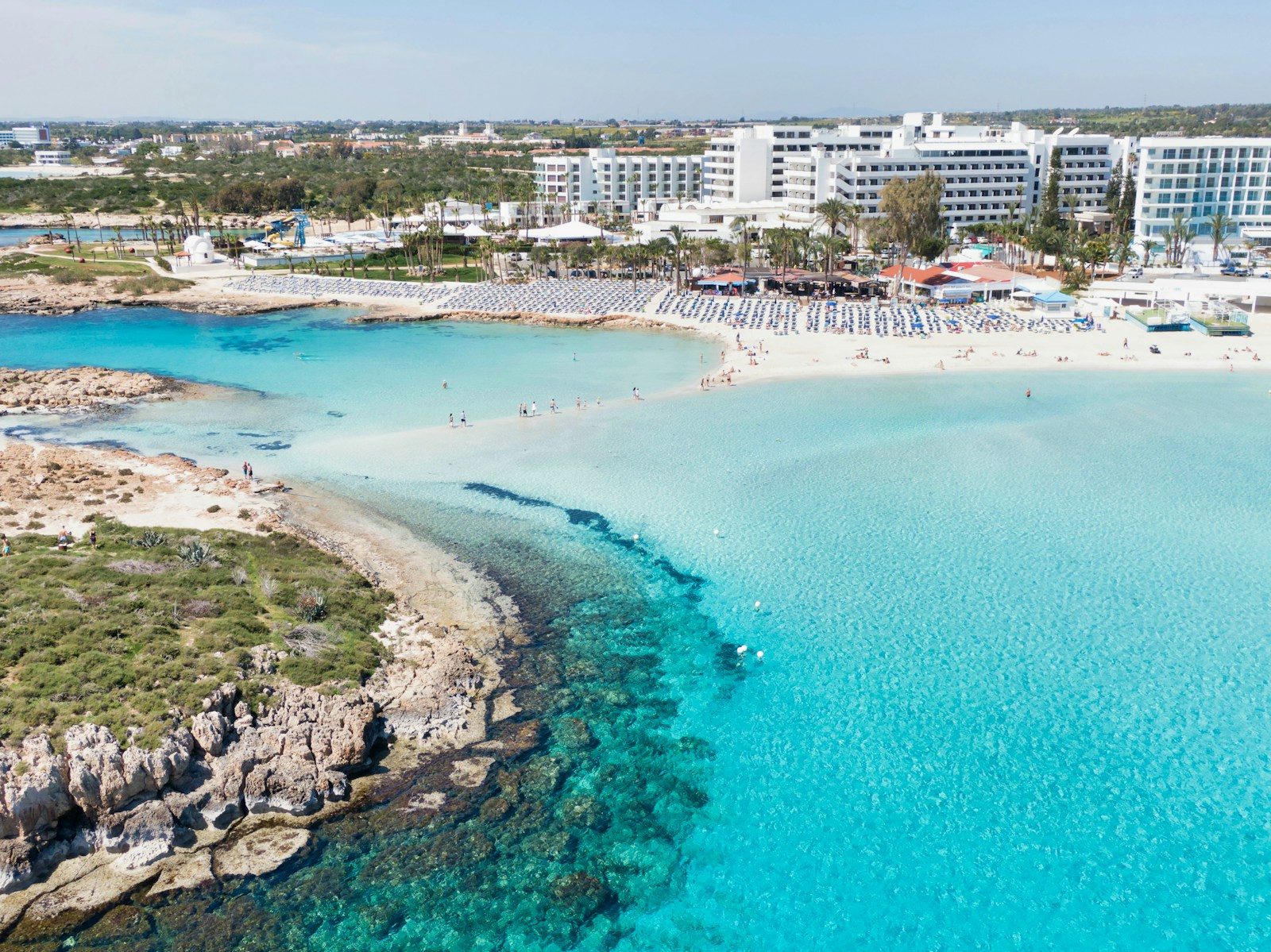
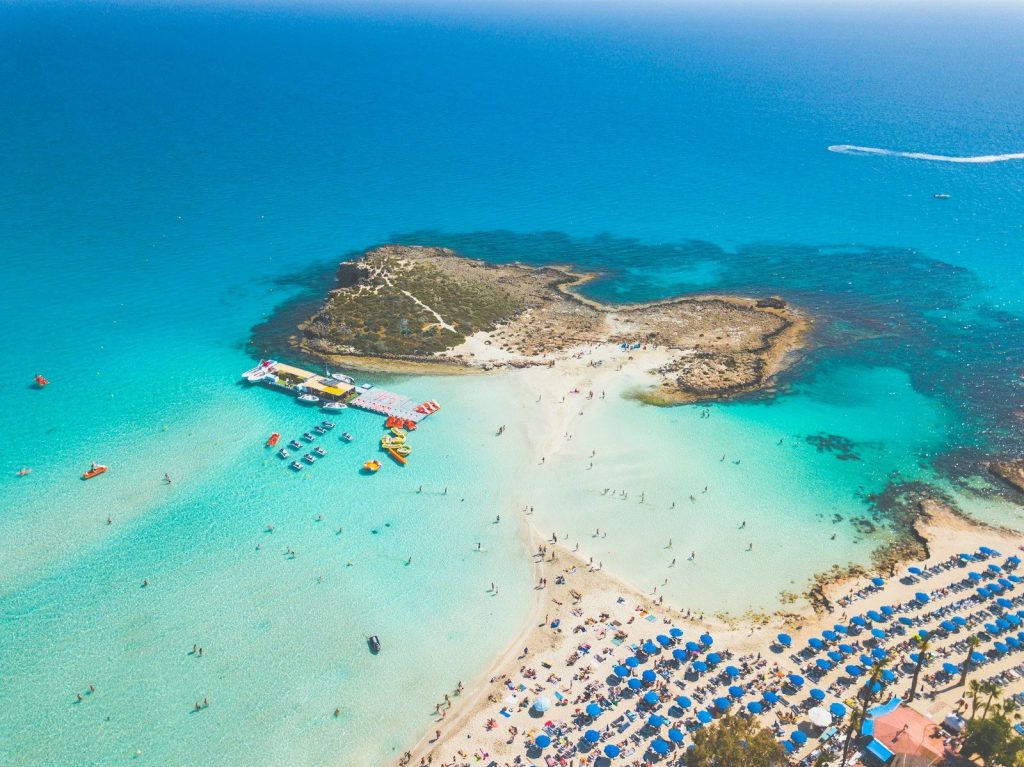
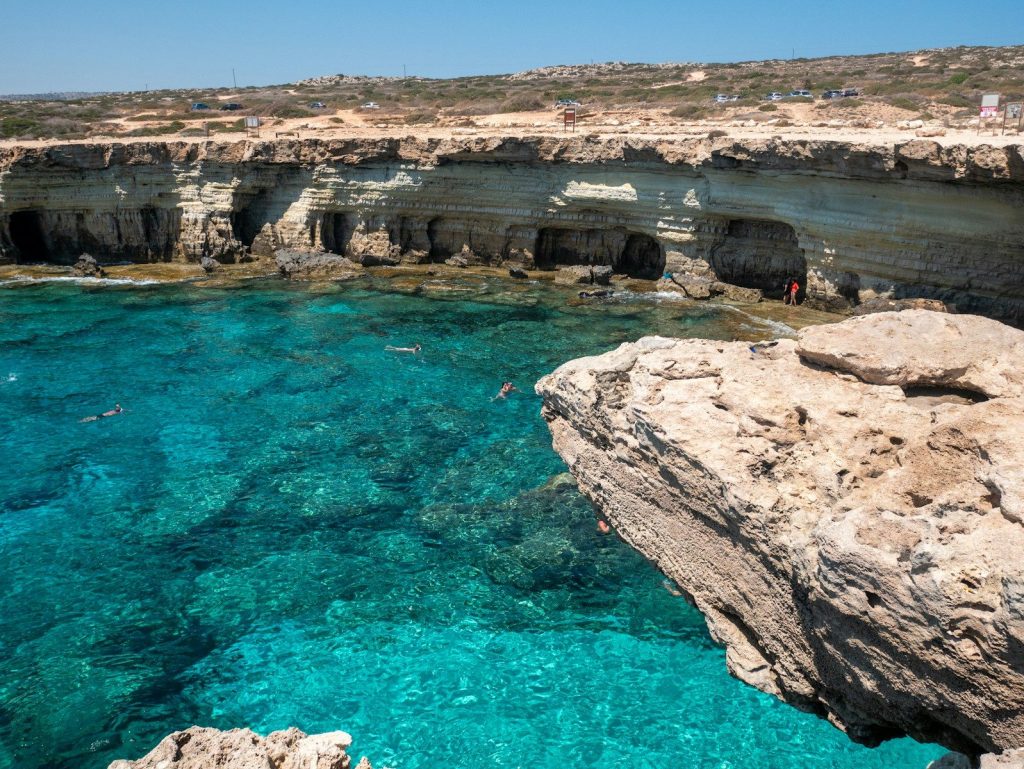
The island sits in the eastern Mediterranean, geographically closer to Lebanon and Israel than to most of Europe, but institutionally embedded in the European Union since 2004. With over 300 days of sunshine per year, some of the safest streets on the continent, and a coastline that ranges from the dramatic sea cliffs of Akamas to the long sandy bays of Famagusta and the yacht-lined waterfront of Limassol, it delivers the physical experience of Mediterranean living at a cost that compares well against southern Spain, southern France, or the Italian coast.
But Cyprus in 2026 is also a country in transition. Rents particularly in Limassol have risen substantially over the past three years, driven by inflows of international professionals and investors, most significantly from Israel, Russia, and the United Kingdom.
The island is not in the Schengen Area, which is a meaningful practical limitation for residents who hold non-EU passports and travel frequently in Europe. The public transport system is genuinely inadequate for a country of this size. And the bureaucratic processes for establishing residency, while functional, require patience and ideally professional support.
This guide gives you a complete, factual, and honest picture of what moving to Cyprus actually involves in 2026.
Why Move to Cyprus?
The draws are multiple and, for the right person, genuinely compelling.
The climate is exceptional hot and dry in summer, mild and pleasant from October through April, and reliably sunny throughout. The island receives significantly more sunshine than most Mediterranean destinations, and the outdoor lifestyle that results hiking in the Troodos Mountains, swimming from October to May on the southern coast, cycling the forest trails near Platres is a genuine quality-of-life feature rather than marketing copy.
English is widely spoken at a functional level that goes beyond the tourist sector. British colonial influence from 1878 to 1960 left a legal system based on English common law, left-hand driving, and a population that largely speaks English as a working second language. This makes Cyprus uniquely accessible among non-anglophone EU countries for British, American, Australian, and Canadian expats who cannot or choose not to learn the local language immediately.
The tax system is one of the most competitive in the European Union. The standard corporate income tax rate is 12.5 percent among the lowest in the EU. For individuals, the Non-Domiciled (Non-Dom) tax status is one of the most significant fiscal advantages available to internationally mobile people anywhere in Europe, eliminating the obligation to pay Cypriot tax on dividend income and capital gains for up to 17 years for qualifying non-doms.
Combined with a 60-day tax residency rule that allows individuals to establish Cypriot tax residency with a minimum physical presence requirement, Cyprus has become a major draw for entrepreneurs, investors, and professionals seeking to structure their tax affairs within a compliant EU framework.
Under the revised 2026 Cypriot tax law, long-term crypto investors’ capital gains also fall under the Non-Dom exemption a development that has attracted particular interest from digital asset holders.
Safety is genuine and consistently measured. Cyprus records some of the lowest violent crime rates in the European Union, and the day-to-day security environment walking at night, leaving possessions unattended, general freedom of movement is among the most relaxed of any country in this series of guides.
Who Can Move to Cyprus: Quick Eligibility Overview
Cyprus distinguishes sharply between two categories of potential resident, and knowing which category you fall into shapes everything that follows.
EU, EEA, and Swiss citizens can move to Cyprus freely, without any visa requirement, and begin working or establishing a business without a separate permit. After staying more than 90 days, EU citizens must register at their local municipal or district office to obtain a Registration Certificate (Yellow Slip Έγγραφο Εγγραφής), which confirms their right of residence. This is a relatively straightforward administrative process. After five years of continuous legal residence, EU citizens are entitled to permanent residency.
British nationals, since 1 January 2021, are treated as third-country nationals under the post-Brexit framework and follow the non-EU process. Given the large British expat community in Cyprus particularly in Paphos and Limassol this has created a meaningful administrative shift for many long-term residents and new arrivals who now navigate the Pink Slip (Temporary Residence Permit) process.
Non-EU nationals have several available routes: the Pink Slip temporary residence permit for financially independent persons; the Category F permanent residency permit for those meeting income requirements; the Permanent Residency by Investment Programme (requiring a minimum €300,000 property or investment purchase); employment-based residency (Category E); investor/business residency (Category C); student residency; and family reunification. Each has distinct requirements and timelines.

The Complete Guide
Visas and Residency Routes
The Pink Slip (Temporary Residence Card / TRC) is the most common entry pathway for non-EU nationals who wish to live in Cyprus on passive or foreign-sourced income without working locally. Applicants must demonstrate a minimum annual foreign income of €24,000 to cover living expenses in Cyprus, and must rent or purchase accommodation for a minimum of one year with the rental agreement certified by the relevant authorities.
The permit is valid for one year and is renewable annually. Crucially, Pink Slip holders cannot work for a Cypriot employer. They can, however, work remotely for foreign employers, receive dividends as shareholders in a Cypriot company, and live on pension or investment income.
Processing times for the Pink Slip are typically three to six months from the date of submission. During this period, applicants may remain legally in Cyprus, and a receipt of submission serves as proof of pending application.
Applications are submitted at the Civil Registry and Migration Department (CRMD) in Nicosia or at the District Immigration Unit in the relevant district Limassol, Larnaca, Paphos, or Famagusta. The Civil Registry and Migration Department publishes current requirements and appointment booking information.
The Category F Permanent Residence Permit is Cyprus’s pathway for financially independent persons seeking permanent rather than annual residency. The income requirement is a secure annual income of at least €9,568 for the main applicant plus €4,613 for each dependent, sourced from abroad.
This is notably lower than the Pink Slip income threshold, but the Category F application queue has faced significant delays in recent years in 2026, the Migration Department is processing applications submitted in 2020. This multi-year backlog makes Category F suitable primarily for applicants who are patient and have a long-term commitment to Cyprus.
Permanent Residency by Investment (Fast Track) requires a minimum investment of €300,000 (plus 19 percent VAT) in qualifying Cypriot real estate, a business, or investment fund units. This route provides permanent residency within approximately six months, is renewable for life (with the card renewed every ten years), and extends to spouse and dependent children.
It does not grant the right to work in Cyprus, though investment income and dividends from Cypriot companies are permitted. The qualifying investment must be retained for the duration of the residency selling the property without replacement results in loss of status.
After seven years of continuous legal residence and eight years of overall residence in Cyprus, holders may apply for Cypriot citizenship, though this requires additional conditions including continuous residence in the twelve months immediately prior to application.
The Yellow Slip (EU Registration Certificate) is the equivalent document for EU nationals a straightforward registration confirming right of residence, with no annual renewal requirement and no income threshold. EU citizens register at their local municipality within four months of arrival.
Employment-Based Residency (Category E) covers non-EU nationals offered permanent employment by a Cypriot employer. The employer must demonstrate that no suitable Cypriot candidate was available for the role a labour market test requirement that limits this route primarily to highly skilled positions where the local talent pool is demonstrably insufficient.
Student Residency is tied to enrolment at a Cypriot educational institution. Cyprus has a growing higher education sector, with the University of Cyprus, the University of Nicosia, Cyprus International University, and several European university branch campuses all offering English-medium programmes. Students must register within seven days of arrival and can work up to 20 hours per week during term time.
First Steps After Arrival
The first days after arriving in Cyprus carry administrative deadlines that are worth treating seriously.
Non-EU nationals arriving on a visitor visa or visa-free must apply for their Temporary Residence Permit within seven days of arrival. Book your appointment at the District Immigration Unit for your area as early as possible slots fill two to three weeks ahead, and the appointment booking process is separate from the permit application itself.
Bring your passport with arrival stamp, proof of accommodation (rental agreement certified by the Muhtar and stamped at the tax office), evidence of income or bank funds, health insurance documentation, and any other supporting documents specific to your permit category.
The Tax Identification Number (TIC — Tax Identification Code) is obtained from the Tax Department of Cyprus and is required for opening a bank account, registering for healthcare, and filing any tax-related documents. The Cyprus Tax Department provides current registration procedures. EU citizens can obtain the TIC through straightforward registration; non-EU residents typically require the Pink Slip or equivalent documentation.
Opening a Cypriot bank account is a separate process from residency registration and must be approached with complete documentation from the outset. In 2026, walking into a Cypriot bank as a non-resident and attempting to open an account without prior preparation is almost certain to result in rejection due to strict anti-money laundering (AML) compliance requirements.
Most banks require proof of residency status, documentation of the source of funds, a tax identification number, and in many cases a declaration of asset origin. Pre-establishing a relationship with a local financial adviser or law firm before arrival significantly smooths this process.
Registration with the General Health System (GESY — Γενικό Σύστημα Υγείας) follows residency establishment. EU citizens with a European Health Insurance Card (EHIC) can access emergency and necessary care immediately upon arrival. Once formally registered as residents, EU nationals and qualifying non-EU permit holders can enrol in GESY on the same terms as Cypriot citizens.
Where to Live: Cyprus City and Region Guide
Cyprus’s five administrative districts each offer a genuinely different experience, and the choice of where to settle deserves careful thought rather than default assumptions.
| Location | Best For | Avg Rent (1-bed, city centre) | Key Notes |
|---|---|---|---|
| Limassol | Business, tech, international community | €1,300 – €1,800 | Most expensive; largest expat community; strong job market |
| Nicosia | Careers, families, administration | €900 – €1,200 | Capital; strongest job market; 30-40% cheaper than Limassol |
| Larnaca | Value, airport access, growing investment | €700 – €950 | Main international airport; marina redevelopment underway |
| Paphos | Retirees, British expats, coastal lifestyle | €900 – €1,200 | Historic; large British community; quieter winters |
| Famagusta / Protaras | Beaches, affordability, seasonal living | €600 – €900 | Most affordable; seasonal tourism influence |
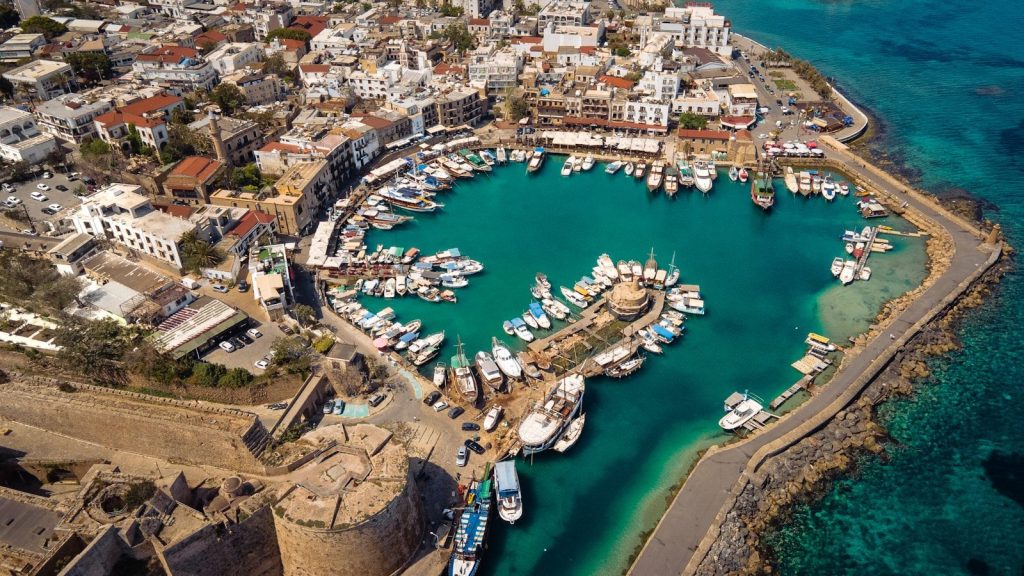
Limassol is Cyprus’s most cosmopolitan city and its economic engine. The waterfront particularly the newer development around the Limassol Marina and the towers of the Limassol Del Mar and other luxury complexes has transformed the city’s skyline over the past decade into something that looks more Miami than Mediterranean.
The large Israeli, Russian, British, and more recently Ukrainian expat communities have driven Limassol to become a genuinely international city with a density of excellent restaurants, private schools, financial services, co-working spaces, and international retail. It is also consistently the most expensive district in Cyprus a one-bedroom apartment in Limassol city centre averages €1,500 per month, compared with €950 in Paphos and €700 in Larnaca.
For professionals, entrepreneurs, and families with international school requirements, Limassol typically delivers the best combination of services and community.
Nicosia is the capital and the country’s administrative, financial, and academic hub. It is the only inland city among Cyprus’s major centres no beach access, hotter summers and cooler winters than the coast, but a job market, international school ecosystem, and concentration of major employers (Deloitte, EY, Microsoft, and Oracle all have significant Nicosia offices) that make it the most sensible choice for career-driven relocators.
Housing in Nicosia is 30 to 40 percent cheaper than Limassol, which represents a meaningful financial advantage for professionals who do not specifically need to be on the coast.
Larnaca is Cyprus’s most practical city for many expats, and it is one that is frequently underestimated. It hosts the island’s main international airport (Larnaca International Airport), provides coastal living with a long sandy beach along the Mackenzie strip, and carries rental costs roughly 40 percent below Limassol for equivalent properties.
A €1.2 billion marina and port redevelopment currently underway is expected to significantly raise Larnaca’s profile and property values over the coming years, making it an interesting entry point for early movers.
Paphos is the historic choice for British and northern European retirees. The town has a UNESCO World Heritage archaeological site at its core, two dozen excellent beaches along the western coast, and a well-established British expat community with English-language services in healthcare, legal, retail, and social spheres.
The winters in Paphos are notably quieter than in Limassol a feature that suits some residents and frustrates others. For retirees seeking community, coastal access, and manageable costs, Paphos remains compelling.
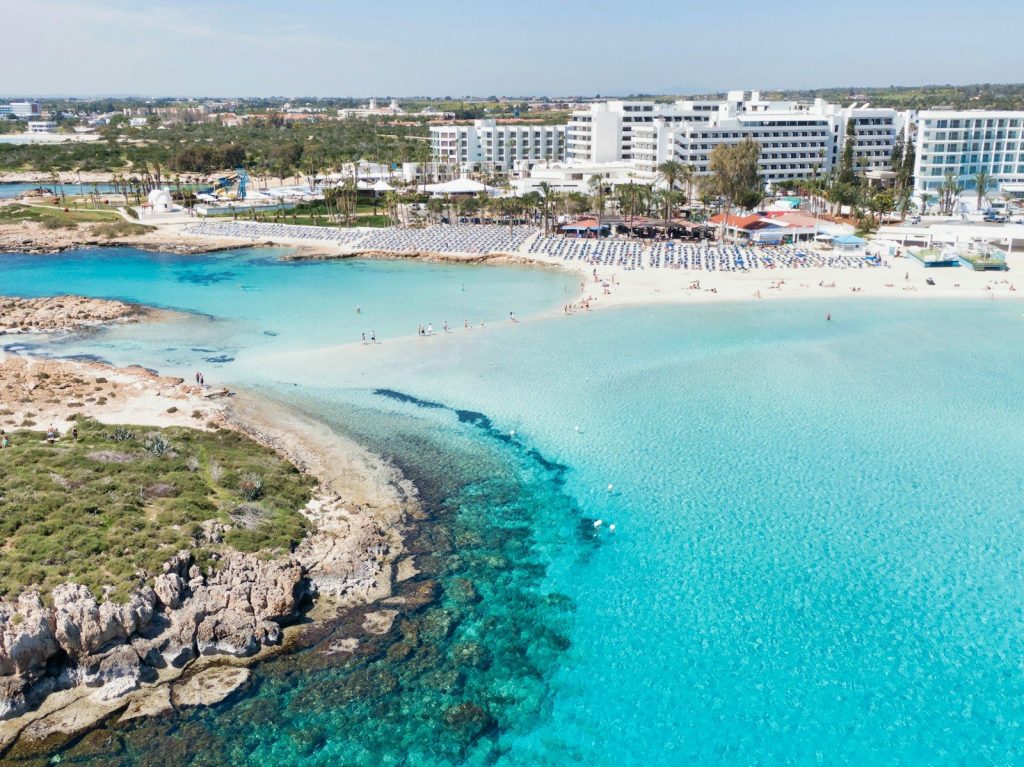
Ayia Napa, Protaras, and the Famagusta district offer the most affordable living on the island, particularly outside the summer season. These areas are heavily influenced by summer tourism which drives up short-term rental prices and transforms the social environment dramatically from June through September but in winter they provide extremely affordable, quiet coastal living for residents who do not need the urban services of Limassol or Nicosia.
The Troodos Mountains are a genuinely distinct alternative to coastal living. Villages like Kakopetria, Platres, and Agros offer stone-built traditional houses, cool summers (a significant advantage given the island’s intense heat at sea level), and a pace of life that is closer to rural Mediterranean than to the international expat circuits of Limassol.
Rental costs in mountain villages are minimal. The practical trade-off is distance from services, airports, and the social infrastructure that most expats depend on.
Cost of Living and Budgeting
Cyprus is no longer the straightforwardly cheap Mediterranean destination that the pre-2020 narrative suggested. Rents across the island have risen substantially the Limassol market in particular has seen dramatic increases driven by international demand and the cost of living in premium areas is now comparable to mid-tier European capitals.
That said, significant value can still be found, particularly outside Limassol and in the island’s less tourist-saturated areas. The north-south and coastal-inland price differentials in Cyprus are as marked as the equivalent divides in Italy or Portugal.
| Expense Category | Famagusta / Rural | Larnaca / Nicosia | Paphos | Limassol |
|---|---|---|---|---|
| Rent (1-bed apartment) | €600 – €900 | €700 – €1,100 | €900 – €1,300 | €1,300 – €1,800 |
| Utilities (electricity, water, internet) | €120 – €200 | €150 – €230 | €150 – €220 | €180 – €280 |
| Groceries (single person) | €200 – €280 | €230 – €320 | €240 – €330 | €280 – €380 |
| Transport (car or bus) | €100 – €200 | €100 – €250 | €100 – €200 | €150 – €300 |
| Dining out (moderate) | €150 – €250 | €200 – €350 | €200 – €350 | €300 – €500 |
| Health insurance or GESY | €80 – €120 | €80 – €150 | €80 – €150 | €100 – €180 |
| Approximate Monthly Total | €1,250 – €1,950 | €1,460 – €2,400 | €1,670 – €2,550 | €2,310 – €3,440 |
Electricity deserves a specific note. Cyprus has some of the highest electricity rates in the EU, driven by oil-based power generation. During the summer months June through September air conditioning is not optional in most Cypriot apartments, and electricity bills can rise significantly above the monthly average shown above.
Newer developments, particularly in Limassol, increasingly include rooftop solar panels that partially offset this cost, and it is worth specifically checking the energy setup of any apartment before signing a lease.
Grocery prices in Cyprus are roughly 14 percent lower than in Germany, with local produce being particularly good value. Saturday morning markets at municipal market halls in major cities offer fresh fruit, vegetables, meat, and dairy at 20 to 40 percent below supermarket prices.
Internet connectivity is good across urban areas fibre connections offering 100 to 500 Mbps are available for €30 to €45 per month, which makes Cyprus increasingly practical for remote workers.
The Complete Guide
Housing: Renting vs Buying
The Cypriot rental market has tightened considerably over the past three years, particularly in Limassol. Moving quickly when a suitable property is found has become standard practice good apartments in central Limassol and the most popular Paphos areas rent within days of listing.
Standard lease terms in Cyprus are typically one to two years for long-term residential rentals. Deposits are usually one to two months of rent. Agency fees are standard typically one month’s rent, paid by the tenant in most cases.
Rental contracts should be registered with the Tax Department and certified by the local Muhtar (a village or district headman with administrative functions) for use in Pink Slip and other permit applications. The certification requirement is a procedural step that catches some new arrivals off guard confirm this requirement with your landlord before signing.
One critical due diligence point for property purchase: title deed issues have historically been a significant risk in the Cypriot property market, arising from developers who mortgaged land before completing buildings and selling units. Checking the title deed status of any property before purchase through the Department of Lands and Surveys is essential.
A qualified Cypriot property lawyer (not an agent) should conduct this check, and ensuring that a clean title deed exists or will be transferred on completion is non-negotiable. The Department of Lands and Surveys maintains the official immovable property registry.
For non-EU buyers, purchasing property worth €300,000 or more qualifies for the Permanent Residency by Investment programme making property purchase both an investment and an immigration decision.
Transfer fees on property purchase are calculated at 3 percent on the first €85,000 of market value and 5 percent thereafter, though reductions apply in specific circumstances. VAT at 5 percent applies to first-time property purchases of a primary residence.
The main property portals in Cyprus are Bazaraki (the dominant platform for both rentals and sales) and agency networks including Danos, Antonis Loizou & Associates, and Papantoniou Estates.

Taxes and Financial Planning
Cyprus’s tax framework is one of the primary reasons the country attracts internationally mobile professionals and entrepreneurs, and understanding it correctly is essential before making any decisions based on its apparent advantages.
Tax residency in Cyprus can be established in two ways. The first is the standard 183-day rule: spending more than 183 days per calendar year in Cyprus makes you a Cypriot tax resident. The second and increasingly used is the 60-day rule: individuals who spend at least 60 days in Cyprus, are not tax resident elsewhere, have no country in which they spend more than 183 days, and have economic ties to Cyprus (employment, business, or property) can establish Cypriot tax residency with only a 60-day physical presence requirement.
This flexibility makes Cyprus one of the most accessible tax residency destinations in the EU for location-independent professionals.
Personal income tax applies on a progressive scale: the first €19,500 of annual income is tax-free; 20 percent from €19,500 to €28,000; 25 percent from €28,000 to €36,300; 30 percent from €36,300 to €60,000; and 35 percent above €60,000.
The Non-Dom (Non-Domiciled) status is the framework’s most significant advantage for qualifying expats. Non-Dom status exempts residents from paying Cypriot tax on dividend income and capital gains for up to 17 years, though a small Special Defence Contribution (SDC) healthcare contribution does apply. To qualify for Non-Dom status, an individual must not have been domiciled in Cyprus under the Wills and Succession Law.
Most non-Cypriot nationals who relocate to Cyprus qualify automatically. The combination of Non-Dom status and the 60-day rule creates a framework that is genuinely attractive for investors, dividend recipients, and entrepreneurial professionals with international income streams.
Corporate tax at 12.5 percent is among the lowest in the EU, and Cypriot companies are commonly used for international business structuring. Cyprus has an extensive network of double taxation treaties with over 60 countries. The Cyprus Tax Department maintains current information on all applicable rates and treaties.
A critical caveat: American citizens remain subject to IRS worldwide income reporting regardless of Cyprus residency or Non-Dom status. US persons considering Cyprus for tax planning purposes must work with advisers familiar with both the US and Cypriot tax systems.
Healthcare and Insurance
Cyprus implemented its General Health System (GESY — Γενικό Σύστημα Υγείας) in 2019, creating a universal healthcare framework that covers all registered legal residents of the Republic of Cyprus on a contributions-based model. GESY is funded through contributions from employees, employers, self-employed individuals, and pensioners, and it provides access to a network of GESY-registered GPs, specialists, hospitals, and diagnostic services.
EU citizens with legal residence in Cyprus can access GESY on the same terms as Cypriot nationals, providing free or low-cost care through registered providers. Non-EU residents with valid residence permits can also enrol in GESY. Registration is through the Health Insurance Organisation (HIO — Οργανισμός Ασφάλισης Υγείας), and access begins once registration is complete and contributions are in order.
The main public hospital in each district Nicosia General Hospital, Limassol General Hospital, Paphos General Hospital, Larnaca General Hospital, and Famagusta General Hospital handles emergency and complex inpatient care. Wait times for specialist consultations through the public system can be long, and many expats supplement GESY with private health insurance for faster access to specialists and private hospital treatment.
Private facilities including American Medical Center and Aretaeio Hospital in Nicosia offer good-quality care with English-speaking staff at costs below comparable private facilities in the UK.
Non-EU residents on the Pink Slip (visitor-status temporary permit) are not automatically enrolled in GESY through the standard contribution pathway. These residents typically arrange private international health insurance which is also required as a condition of the Pink Slip application. International providers including Cigna Global and Allianz Care both operate in the market.
The Complete Guide
Banking, Requirements, and Money Transfers
Opening a Cypriot bank account requires a clear and documented financial profile, presented coherently from the first interaction with the bank. The AML compliance environment in Cyprus has been significantly strengthened following scrutiny of the Cypriot financial sector over the preceding decade, and banks now apply thorough KYC (Know Your Customer) due diligence to all new account applications.
The main retail banks operating in Cyprus are Bank of Cyprus, Hellenic Bank, and RCB Bank, along with international banks including Eurobank. All require passport, proof of Cypriot address (lease agreement or utility bill), tax identification number (TIC), and evidence of the source of funds (tax returns, employment contracts, company accounts, or equivalent documentation appropriate to the applicant’s financial profile).
Online banking is well-developed at all major Cypriot banks, and SEPA transfers function normally within the eurozone. For international transfers, Wise and Revolut are widely used by the expat community for currency conversion and cross-border payments, though they cannot substitute for a local Cypriot bank account for salary receipt, rental direct debits, and property transactions.
A notable practical issue: Cyprus is not currently in the Schengen Area. Cyprus permanent residency does not grant visa-free travel to other EU countries a limitation that is frequently misunderstood by prospective residents who assume that EU membership automatically confers Schengen access.
Non-EU passport holders living in Cyprus still need to manage their Schengen allocation separately for visits to mainland EU countries. Cyprus has a 2026 target date for Schengen Area accession, which would substantially change this situation, and the process is reportedly in its final stages but until formal accession is completed, this limitation is real.
Work, Business, and Remote Income
Cyprus’s job market is concentrated in specific sectors that reflect the island’s economic structure. Financial and professional services accounting, legal, audit, compliance, and wealth management are the backbone of the Nicosia and Limassol economies.
The maritime sector (ship management, legal, and finance) is significant in Limassol, which is one of the world’s major ship management centres. Tourism and hospitality create employment across the island. The iGaming sector, while smaller than Malta’s, has established operations in Limassol and Nicosia.
Technology and startups are growing, particularly in Limassol, which has attracted a cluster of Israeli and international tech companies partly driven by its large Israeli expat community. Regular networking events and co-working infrastructure including IDEA Innovation Centre and various private operators serve this community.
For remote workers and freelancers earning foreign-sourced income, Cyprus is practically well-suited. Pink Slip holders can work remotely for foreign employers without restriction. EU citizens can work freely for any employer, local or foreign. The Non-Dom tax framework means that dividend income from foreign company shareholdings is exempt from Cypriot income tax, making Cyprus a rational base for business owners who can structure their remuneration through dividends.
Business formation in Cyprus is handled through the Registrar of Companies, and company registration takes approximately five to ten working days. The standard company type is the Private Limited Liability Company (Ltd), with a minimum issued share capital of €1.
Cypriot companies must have a registered office in Cyprus and, to access the full treaty network, should generally have genuine substance real management, real employees or directors present in Cyprus rather than being purely holding structures.
Self-employed professionals must register with the Social Insurance Department and pay self-employment social insurance contributions (approximately 16.6 percent of declared income in 2026). Engaging a Cypriot accountant (λογιστής) from the outset is strongly recommended for navigating the combined requirements of tax registration, social insurance, and VAT registration (required once annual turnover exceeds €15,600).
Education and Schools
Cyprus has two distinct education tracks: the Greek-language state system and the private/international school sector. For most non-Greek-speaking expat families, the state system is not a practical option instruction is entirely in Greek, and children who arrive without Greek proficiency face a significant integration challenge. The private and international school sector has expanded substantially to serve the growing expat population.
Nicosia has the strongest concentration of international schools, offering American, British, French, and Russian curricula. Limassol and Paphos both have several well-regarded British curriculum schools. The American International School, Pascal English School, and the International School of Paphos are among the more established options.
Annual fees range from approximately €6,000 to €12,000 per child, depending on the school and year group significantly more affordable than comparable international schools in Dubai, Singapore, or Switzerland.
The University of Cyprus in Nicosia, the University of Nicosia, and several European university branch campuses offer English-medium higher education programmes across business, law, medicine, and technology. Tuition fees are competitive by European standards, and the island’s English-language environment makes it an increasingly attractive option for international students from the Middle East, Eastern Europe, and Asia.
Transport and Getting Around
Public transport in Cyprus is, quite simply, insufficient for a country of its size and aspiration. An intercity bus network connects the main cities a single ticket from Limassol to Paphos or Larnaca costs approximately €4 one way but services are infrequent, slow, and absent from most rural and suburban areas.
Nicosia has an urban bus network; the other cities have limited local services. The practical reality is that most expats acquire a car within their first three to six months in Cyprus, and budgeting for this is essential.
Cyprus drives on the left, a British legacy. International driving licences and EU licences are both valid for driving in Cyprus. Non-EU licence holders must convert to a Cypriot licence within a reasonable period of establishing residency. Used cars are available throughout the island; the main online listings are through Bazaraki and Car.com.cy.
Fuel costs are relatively moderate petrol at approximately €1.66 per litre as of early 2026. Car insurance is required and is more affordable than in the UK, with comprehensive cover typically available for €350 to €600 per year.
Cyprus has two international airports: Larnaca International Airport (the main hub, with direct connections to most European capitals and a significant number of Middle Eastern destinations) and Paphos International Airport (predominantly serving UK and European holiday routes).
Flight connections from Cyprus to mainland Europe are frequent and competitively priced, which somewhat compensates for the island’s Schengen limitation by making air travel practical for regular European travel.
The Complete Guide
Culture, Language, and Integration
Greek is the official language of the Republic of Cyprus, and while English proficiency across the country is high enough for daily functional life, learning basic Greek creates meaningful advantages in integration, healthcare interactions, administrative processes, and neighbourhood relationships.
Cypriot Greek is a distinct dialect that differs meaningfully from standard Modern Greek some words and pronunciations are unique to Cyprus and may be unfamiliar even to those who have studied Greek elsewhere.
Standard Modern Greek courses, available through the Cyprus Language School (Κέντρο Γλωσσών Κύπρου) and various private providers, remain the best preparation. Most Cypriots who speak English will switch readily for business and formal interactions, but conversation in Greek even at a basic level is received with consistent warmth.
Cypriot culture is Mediterranean in rhythm and deeply influenced by Orthodox Christian tradition. The festival calendar includes major religious events Easter is the most significant, celebrated with an intensity that transforms villages and towns across the island as well as a dense calendar of local festivals and cultural events, particularly in summer.
The coffee shop culture (καφενείο), Sunday lunch with family, and a pace of personal interaction that prioritises relationship over transaction are defining features of daily life.
The expat community in Cyprus is large an estimated 264,000 expatriates live in Cyprus as of 2024, representing approximately 22 percent of the population and well-organised.
British, Russian, Israeli, German, and Ukrainian communities each have their own social infrastructure, and the English-language Cyprus Mail newspaper and numerous expat Facebook groups serve as practical community hubs.
The International Women of Cyprus association and the Expats in Cyprus group on social media are accessible starting points for newly arrived residents.
Pros and Cons of Living in Cyprus
The genuine advantages are real and quantifiable. Over 300 days of sunshine and a long swimming season. Among the lowest violent crime rates in the EU. A tax framework Non-Dom status, 12.5 percent corporate rate, 60-day residency rule that is genuinely competitive within the European context. English widely spoken at a functional level.
A legal system based on English common law that makes property and commercial transactions comprehensible to British, American, and Commonwealth professionals. EU membership providing the full range of European rights for EU nationals.
The genuine disadvantages are equally real. The Schengen exclusion is a meaningful practical limitation for non-EU residents who travel frequently in Europe. Public transport is inadequate across almost the entire island. Limassol rents have risen to levels that are no longer obviously affordable compared to several other Mediterranean alternatives.
The bureaucratic processes for non-EU residency Pink Slip application, Category F queue delays, AML compliance for bank accounts require patience and professional support. And the island is small 9,251 square kilometres with the pleasures and frustrations that finite geography creates over years of residence.
Step-by-Step Moving Checklist
Six to three months before:
Choose your residency pathway Pink Slip, Yellow Slip, Permanent Residency by Investment, or Category F and begin gathering documentation. For non-EU applicants, gather proof of income (bank statements, pension letters, employment contracts, dividend certificates), criminal background check (apostilled), passport (with minimum six months validity), and health insurance documentation. Begin your property search on Bazaraki and through local agents in your target city. Engage a Cypriot immigration lawyer and accountant for parallel professional support.
Three to one month before:
Secure accommodation you need a signed and certified lease agreement for the Pink Slip application. Arrange international health insurance if not already in place. Prepare your bank account strategy research which Cyprus bank is most appropriate for your profile and financial documentation. Book your appointment with the District Immigration Unit for the first week after arrival. Notify your home country tax authority of your departure and intended Cypriot residency.
Arrival week:
Apply for your temporary residence permit within seven days of arrival, presenting your rental contract, passport, income documentation, and health insurance proof. Register with your local municipality. Apply for your Tax Identification Code (TIC) at the nearest Tax Department office. Open your Cypriot bank account with full KYC documentation. Register with the Health Insurance Organisation (HIO) for GESY enrolment if applicable. Purchase or arrange a vehicle if living outside Limassol or Nicosia centre.
Ongoing:
Monitor your Pink Slip renewal deadline and apply at least 60 days before expiry. File Cypriot tax returns through the Tax Department’s online portal (TaxisNet) annually by July 31 for the preceding tax year. If pursuing the 60-day tax residency rule, ensure your days in Cyprus are properly documented and that your Non-Dom claim is correctly filed. Invest in Greek language development even A2 level opens daily life meaningfully.
Common Mistakes to Avoid
Not registering within the seven-day window. For non-EU nationals on visitor visas, the application requirement is a legal deadline, not a guideline. The consequences of overstaying include complications with your permit application and potential enforcement action.
Assuming Schengen access. Cyprus EU residency does not grant Schengen access. Non-EU passport holders need to manage their Schengen 90/180 day allocation separately and cannot use their Cypriot residency as a basis for extended mainland EU stays.
Skipping the title deed check on property. The historic title deed issues in the Cypriot property market have resulted in significant financial losses for buyers who did not verify legal status before purchasing. Always use a licensed Cypriot conveyancing lawyer, not simply the estate agent, for this check.
Underestimating summer electricity costs. Air conditioning in a Cypriot summer is not optional, and electricity rates are among the highest in the EU. Budget significantly more for summer months than the annual average suggests.
Approaching bank account opening without preparation. The AML compliance requirements at Cypriot banks are genuinely stringent. Arriving without complete documentation of source of funds, TIC, and residency proof will result in delays or rejection. Pre-engage a local financial adviser for bank account introduction if your financial profile is at all complex.
The Complete Guide
FAQs About Moving to Cyprus
How much money do I need to move to Cyprus?
A single person can live comfortably in Larnaca, Nicosia, or Paphos on approximately €1,400 to €1,800 per month. In Limassol, budget closer to €2,000 to €2,500. Beyond monthly costs, allow for setup costs including deposit (typically two months’ rent), agency fees, furniture if renting unfurnished, and the initial administrative fees for residency and tax registration. A minimum liquid reserve of three to four times your first month’s total costs is prudent.
Can foreigners buy property in Cyprus?
EU nationals can buy property freely with no restrictions. Non-EU nationals can purchase property in Cyprus, though restrictions historically applied to the number of properties that could be purchased. Buying property worth €300,000 or more qualifies for the Permanent Residency by Investment programme. Always verify title deeds and engage a Cypriot property lawyer before any purchase.
What is the fastest residency route?
The Permanent Residency by Investment Programme provides residency within approximately six months with a €300,000 minimum investment. For EU nationals, Yellow Slip registration is straightforward and immediate. For non-EU nationals without investment capital, the Pink Slip temporary permit is the standard route, with a three to six month processing timeline.
Do I need to know Greek to live in Cyprus?
For daily functional life in the main cities particularly in Limassol, Paphos, and Larnaca English is sufficient for most interactions. For deeper integration, healthcare, and administrative processes, learning Greek creates meaningful advantages. Basic Greek proficiency (A2 level) noticeably improves the quality of daily life and the warmth of local relationships.
How long before I can get permanent residency or citizenship?
EU citizens and non-EU nationals who have resided legally and continuously in Cyprus for five years can apply for long-term EU resident status. Citizenship requires eight years of continuous legal residence (or seven years with specific conditions) plus twelve months of continuous residence immediately before application, proficiency in Greek, and a clean record.
Note that Cypriot citizenship requires renouncing other non-EU citizenships in some circumstances take specialist legal advice on this point before applying