
Moving to Greece in 2026: The Complete Expat, Retiree and Digital Nomad Relocation Guide
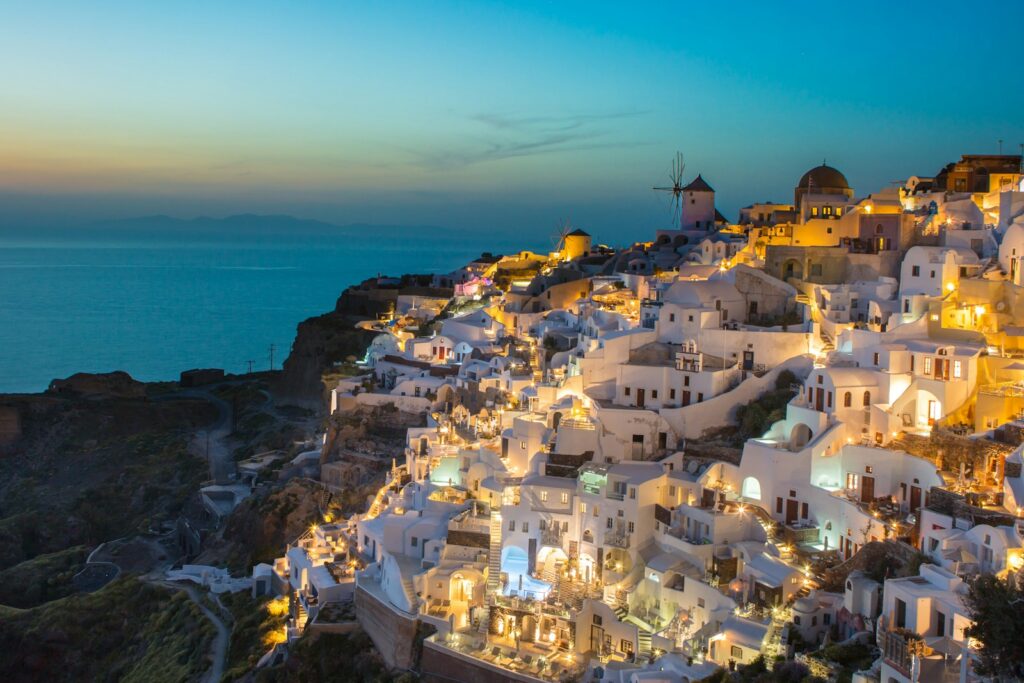
Greece has always had a hold on the imagination. For most people it exists as a place of myth and memory whitewashed villages on cliff edges above the Aegean, ancient columns catching the late afternoon light, the smell of wild thyme and sea salt on a warm island breeze.
What is changing in 2026 is the number of people who are deciding that imagining Greece from a distance is no longer enough, and that actually living there is both possible and, for the right profile of person, genuinely excellent.
The numbers back this up. Greece has seen a sustained increase in long-term residency applications from non-EU nationals over the past five years, driven by a combination of factors that have only strengthened recently.
The Golden Visa programme one of Europe’s most accessible investor residency schemes continues to draw investment from North America, Asia, and the Middle East. A formal remote worker residency pathway has made it easier for digital nomads to establish legal status. A flat-rate income tax incentive for qualifying foreign pensioners and professionals has created genuine financial appeal for those who do their homework.
And the post-pandemic reassessment of what constitutes a good life has sent a wave of remote workers toward a country that has been offering that good life excellent food, extraordinary landscapes, a warm and hospitable culture at relatively modest cost for decades.
Greece is not a frictionless relocation. The bureaucracy is real, the language is challenging, and infrastructure outside Athens and Thessaloniki varies considerably. But for those who approach the move with clear eyes and adequate preparation, what is waiting on the other side is one of the most rewarding places in the European Union to build a life.
This guide covers everything you need to make that move well: visa pathways, where to live, realistic costs, how to find housing, how the healthcare system works, how taxes are structured, and the practical sequence of steps required to establish yourself legally and comfortably in Greece.
Is Greece the Right Place for You?
Before the practicalities, it is worth being honest about who Greece suits and who it is likely to frustrate. The country that works perfectly for a retired couple from Chicago or a remote-working designer from London may be a poor fit for someone who needs a sophisticated local job market, cutting-edge specialist healthcare on demand, or Scandinavian levels of administrative efficiency.
Greece works exceptionally well for the following profiles:
- Retirees with pension or passive income seeking a safe, warm, culturally rich European base with affordable living costs and a mature expat community in key locations. The financial independence residency pathway was built for this profile.
- Digital nomads and remote workers earning in dollars, pounds, or euros who want to dramatically reduce their cost of living while living in one of Europe’s most beautiful environments. Greece’s remote worker permit formalises this pathway legally.
- Investors seeking EU residency through a qualifying property investment, for whom the Greek Golden Visa despite threshold increases remains one of the most competitive programmes in Europe.
- Families drawn by the Mediterranean lifestyle, outdoor environment, and a private and international school sector that has grown considerably in quality and variety over the past decade.
- Lifestyle migrants who have reassessed their priorities and decided that daily quality of life climate, food, pace, natural environment, community deserves more weight in their decision-making than career advancement or proximity to a major economic hub.
A clear-eyed assessment of the pros and cons:
Pros: exceptional climate across most of the country for most of the year, genuine safety (Greece performs well in European crime statistics and the Global Peace Index), affordable cost of living outside Athens city centre and peak island locations, outstanding food culture, high English proficiency in urban and tourist areas, EU and Schengen membership providing stability and freedom of movement, extraordinary natural and cultural environment, and a concept of hospitality philoxenia, literally “love of the stranger” that is embedded deeply in the national character.
Cons: significant bureaucratic complexity and slow administrative processing, Greek language that takes real commitment to acquire, infrastructure variability between Athens and island or rural locations, seasonal economy in island destinations that creates a very different off-season reality from the high-season experience, and a healthcare system under ongoing pressure that makes private supplementary insurance effectively essential for expats.

The Complete Guide
Understanding Greece’s Regions and Where to Live
Greece’s geographic diversity a mainland roughly the size of Alabama, plus some 6,000 islands of which around 230 are inhabited means that the lifestyle differences between regions are as significant as the differences between countries elsewhere. Choosing the right region before you commit to a longer-term lease or property purchase is one of the most important decisions you will make.
Athens
Greece’s capital of nearly four million people is the default choice for expats who need urban infrastructure a full range of English-speaking professional services, the country’s best international schools, the strongest healthcare facilities, direct international flights, and the most developed expat community in the country.
Athens is also, increasingly, a genuinely exciting city in its own right. The neighbourhood renewal that began in Psyrri, Monastiraki, and Koukaki in the years following the economic crisis has continued into a broader urban renaissance that has produced a remarkable restaurant, bar, and creative scene built around some of the most extraordinary ancient urban landscape on earth.
The Acropolis, visible from much of the city, provides a daily reminder that you are living somewhere genuinely unlike anywhere else. The cost of living in central Athens is higher than in other Greek cities but remains well below equivalent European capitals.
The summer heat temperatures regularly exceeding 35 degrees Celsius in July and August is the most commonly cited quality-of-life challenge, and many Athens residents spend significant portions of summer on the islands or at coastal retreats.
Thessaloniki
Greece’s second city and the capital of Macedonia is considerably underrated by the international expat community and offers some of the country’s best value for urban living. Thessaloniki has a large student population centred on the Aristotle University of Thessaloniki one of the largest universities in the Balkans which gives the city a youthful energy and a lively café and cultural scene.
Costs are meaningfully lower than Athens, the Byzantine and Ottoman architectural heritage is extraordinary, and the food culture Thessaloniki has a strong claim to being Greece’s most serious food city is exceptional.
For expats willing to be a little further from international infrastructure, Thessaloniki offers genuine quality of urban life at a significantly lower price point, with good rail and road connections to the rest of Greece and to neighbouring Bulgaria, North Macedonia, and Turkey.
Greek Islands — Crete, Rhodes, Corfu, and the Cyclades
The islands are where most people imagine living in Greece, and for retirees, remote workers, and lifestyle migrants, several offer genuinely compelling year-round residency options though the word “year-round” is important, because many smaller island communities shrink dramatically outside the summer season.
Crete is the largest Greek island and the most self-sufficient. With a population of over 600,000, it has the infrastructure hospitals, international schools, supermarkets, reliable internet to support full-time expat life without the profound isolation that affects smaller islands in winter.
The north coast cities of Heraklion, Chania, and Rethymno all have established expat communities, and the island’s agricultural abundance means food costs are among the lowest in Greece. Chania in particular, with its Venetian harbour, is consistently cited by expats as one of the best places to live in the Mediterranean.
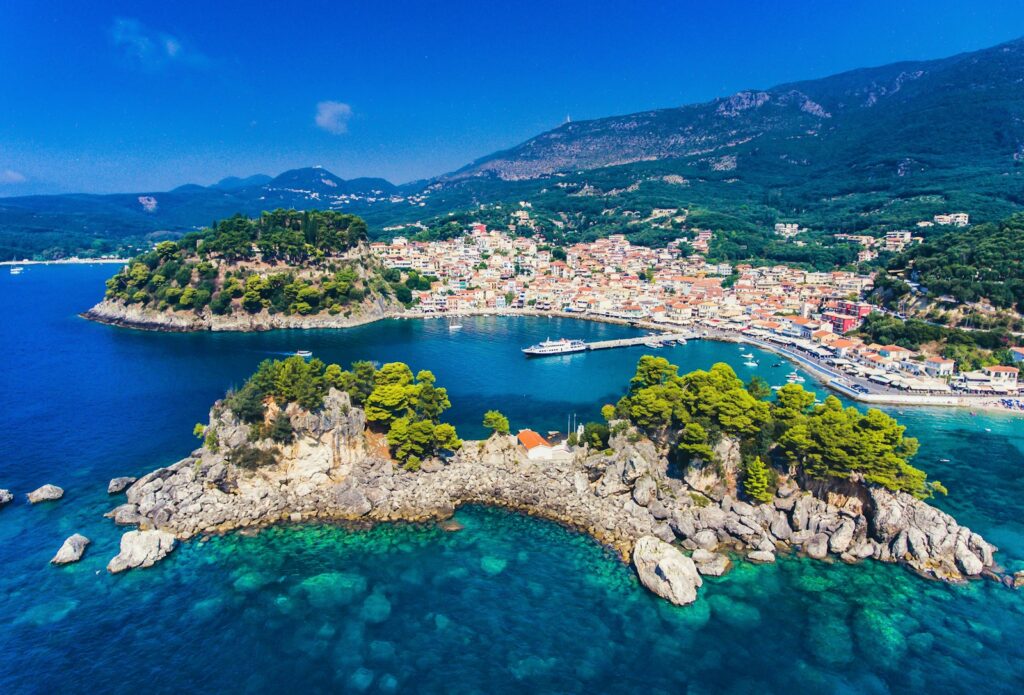
Rhodes has a large and established expat community, good year-round infrastructure, and a medieval old city that is a UNESCO World Heritage Site. Corfu in the Ionian Sea has long attracted British residents in particular, and the infrastructure serving this community is well-developed.
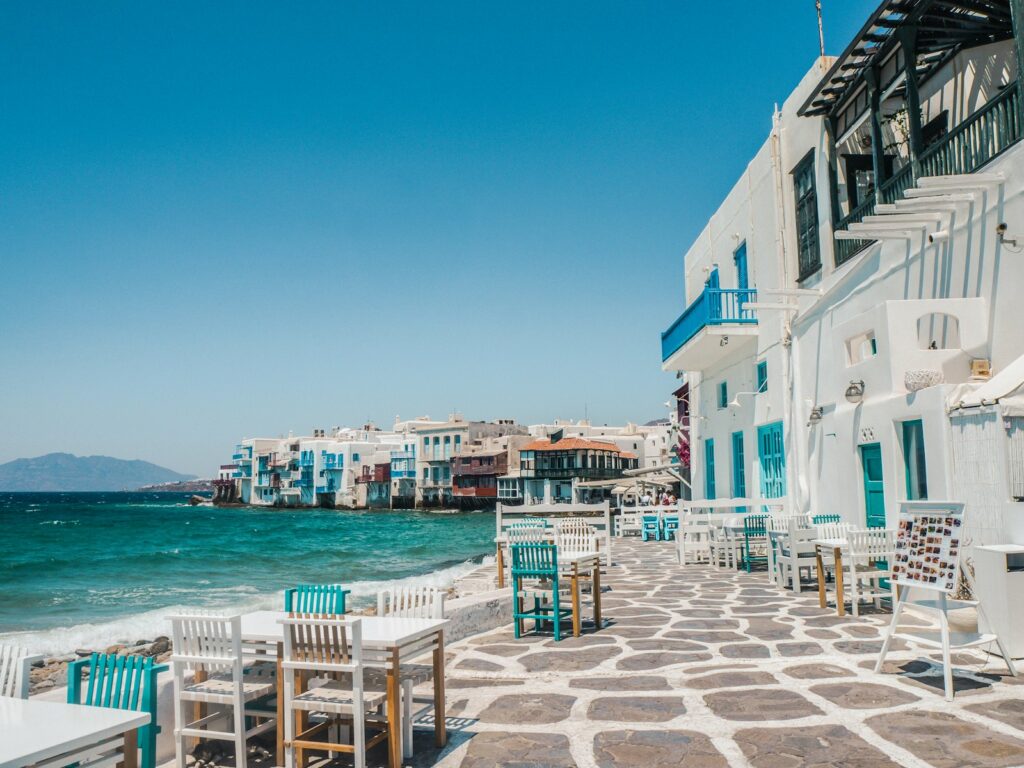
The Cyclades Mykonos, Santorini, Paros, Naxos are extraordinary in summer but require honest assessment of the off-season reality before committing to year-round residency. Mykonos and Santorini in particular become very quiet from November to March, with many businesses closing entirely.
Peloponnese and Central Greece
The Peloponnese peninsula connected to the mainland by the narrow Isthmus of Corinth is one of Greece’s most beautiful and historically rich regions, and one of its most underexplored by the international expat community. The Mani peninsula in the south, the Venetian port city of Nafplio, and the agricultural landscapes around Kalamata offer a deeply authentic Greek experience at costs that are among the country’s lowest.
Central Greece and the Epirus region in the northwest offer similar value in a landscape of mountains, monasteries (the extraordinary Meteora), and traditional villages that have changed relatively little in character over generations. These areas suit expats who are genuinely committed to integration and who have either acquired or are actively acquiring Greek English infrastructure is minimal outside specific tourist contexts.
Greece Visas and Residency Pathways
Greece’s immigration system is administered by the Ministry of Migration and Asylum and the General Secretariat of Migration Policy. Understanding which pathway applies to your circumstances and engaging with the correct process from the outset is the foundation of a successful relocation.
EU, EEA, and Swiss nationals can enter and reside in Greece without a visa and do not require a residency permit, though they must register with the local authorities if staying beyond three months. For non-EU nationals, the main pathways are as follows.
Golden Visa — Residence Permit for Investors
Greece’s Golden Visa programme is one of the most popular and competitive investor residency schemes in Europe and remains highly relevant in 2026 despite significant threshold changes introduced in recent years.
The minimum qualifying real estate investment which was increased in stages for high-demand areas including Athens, Thessaloniki, Mykonos, and Santorini now stands at €800,000 for these zones, with the €400,000 threshold retained for lower-demand areas. Investments in commercial real estate conversion to residential use, listed shares, and government bonds also qualify at various thresholds.
The Golden Visa grants a five-year renewable residence permit to the investor and their immediate family, with no minimum physical presence requirement meaning the permit can be maintained without actually living in Greece, which suits those seeking residency as an insurance option or investment vehicle rather than as a primary relocation tool. After seven years of legal residence, Greek citizenship eligibility applies.
More detail on current qualifying investment categories and thresholds is available through the official Greek Golden Visa portal.
Residence Permit for Remote Workers and Digital Nomads
Greece introduced a formal digital nomad visa in 2021 one of the earlier European countries to do so providing a legal residency pathway for non-EU nationals working remotely for employers or clients based outside Greece. The permit is initially granted for twelve months and renewable for an additional two years, after which holders may apply for a standard long-term residence permit.
Income requirements and application procedures are processed through Greek consulates in the applicant’s country of residence. The permit requires proof of remote employment or freelance income, comprehensive health insurance, and clean criminal background documentation.
Residence Permit for Financial Independence (Retirement Pathway)
Non-EU retirees and those with sufficient passive income pensions, dividends, rental income can apply for a residence permit on the basis of financial independence. The income threshold for this pathway is generally set at a level sufficient to cover living costs without working in Greece, with the Greek consulate assessing applications on a case-by-case basis.
A minimum monthly income of approximately €2,000 is the commonly cited benchmark, though this is not a hard legal threshold in the way that Portugal’s D7 requirements are codified.
Residence Permit for Self-Employed and Entrepreneurs
Non-EU nationals who wish to establish a business or work as self-employed professionals in Greece apply for a self-employment residence permit. This requires a viable business plan, evidence of financial capacity, and for certain professions recognition of qualifications by the relevant Greek professional authority.
Key administrative numbers every expat needs:
- AFM (Arithmos Forologikou Mitroou) — Greece’s tax identification number, equivalent to a national tax ID. Required for virtually all financial and administrative transactions. Obtained at a local tax office (Eforia).
- AMKA (Arithmos Mitroou Koinonikis Asfalisis) — the social security registration number, required for access to the public healthcare system and for employment. Obtained at a AMKA service centre or KEP (Citizens’ Service Centre).
Both should be obtained as early as possible after arrival or in the case of the AFM, ideally before arrival through a fiscal representative, as it is required for property transactions and banking.
Cost of Living in Greece: Budgeting for Your Move
Greece remains one of the more affordable EU member states for day-to-day living, and the contrast between Athenian city-centre costs and those of smaller mainland towns or less-developed islands is significant. The figures below reflect realistic 2026 spending estimates.
| Category | Athens / Thessaloniki (Monthly) | Popular Islands (Monthly) | Smaller Cities / Interior (Monthly) |
|---|---|---|---|
| Rent — 1 bed apartment | €700 – €1,200 | €800 – €1,500 (seasonal variation) | €350 – €650 |
| Rent — 2 bed apartment | €1,000 – €1,800 | €1,100 – €2,200 | €500 – €950 |
| Groceries (couple) | €250 – €400 | €300 – €480 | €180 – €320 |
| Utilities (electricity, water) | €80 – €160 | €90 – €180 | €60 – €130 |
| Internet and mobile | €30 – €55 | €30 – €60 | €25 – €50 |
| Public transport (monthly) | €30 – €50 | Car typically required | Car typically required |
| Dining out (per person, restaurant) | €12 – €22 | €15 – €30 | €8 – €16 |
| Private health insurance (individual) | €50 – €130 | €50 – €130 | €40 – €110 |
A single person living comfortably in Athens a good apartment in Koukaki, Pangrati, or Kypseli, regular restaurant meals, private health insurance, transport, and entertainment can expect to spend between €1,500 and €2,500 per month. In Thessaloniki, the equivalent lifestyle costs €1,200 to €2,000. In smaller cities and interior towns, the same quality of life is achievable for €900 to €1,500.
Island costs are more variable and seasonal. In peak summer, rental prices in Mykonos and Santorini rival those of major European capitals, while the same properties sit empty and cheaply available through winter. Crete is the most cost-stable island destination, with year-round pricing that reflects its self-sufficient economy.
Greece uses the Euro, which eliminates currency friction for Euro-income holders. For those earning in other currencies, services like Wise and Revolut are widely used by the expat community for favourable exchange rates and low-cost international transfers.
One specific Greek cost worth noting is the ENFIA (Eniaios Foros Idioktisias Akinitou) the annual unified property tax levied on property owners in Greece. Calculated based on the property’s location, size, and tax value, ENFIA applies to foreign property owners as well as Greek nationals and should be factored into any property purchase budget.
The Complete Guide
Finding Housing and Negotiating a Rental or Purchase
Greece’s rental market has tightened in Athens and in popular island destinations over the past five years, driven by the growth of short-term tourist rentals that have reduced long-term residential supply in prime areas. This has pushed rents upward in central Athens and in Cyclades island towns, though the broader Greek market outside these pressure points remains affordable.
The main property listing platforms are Spitogatos, XE.gr, and Rightmove Overseas for international buyers. For furnished short-term rentals during the initial settling-in period, Airbnb has strong coverage across Greece, and specialist medium-term rental agencies operate in Athens and the most popular island locations.
Key points for renters in Greece:
- Standard long-term rental contracts run for a minimum of three years under Greek tenancy law, though shorter contracts are common in practice and are widely accepted by landlords, particularly for foreign tenants.
- The standard security deposit is one to two months’ rent, held by the landlord.
- Agency fees when applicable are typically one month’s rent, payable by the tenant.
- Utility contracts for electricity (through the Hellenic Electricity Distribution Network Operator, DEDDIE/HEDNO), water (through the local municipal authority), and gas (where available) must be set up in the tenant’s name separately.
- Your AFM number is required to set up utility contracts and sign formal lease agreements.
For property purchasers:
Greece welcomes foreign property buyers and the purchase process while requiring careful navigation is well-established. The main stages are:
- Obtaining your AFM (absolutely essential no property transaction is legally possible without it)
- Engaging a Greek property lawyer (dikigoros) to conduct title searches and due diligence through the Greek Land Registry (Ktimatologio)
- Signing a preliminary purchase agreement (prosynafoni) with a deposit of typically 10%
- Executing the final notarial deed (symvolaio) before a Greek notary public (symvoliografos)
- Registering the transfer with the local Ktimatologio branch
Transfer taxes on property purchases in Greece include the real estate transfer tax (currently 3.09% of the purchase price or tax value, whichever is higher) for properties without VAT, plus notary fees (approximately 1-2%), land registry fees (0.475%), and legal fees.
Annual ENFIA property tax applies thereafter. Given the complexity and the financial significance of a property purchase, working with an independent Greek property lawyer who acts exclusively on the buyer’s behalf is not optional it is essential.
Healthcare in Greece: Public vs. Private
Greece’s public healthcare system the Ethniko Systima Ygeias (ESY) provides universal access to legal residents registered with AMKA (the social security number), and its quality at the level of major hospitals in Athens and Thessaloniki is generally solid.
The system has faced significant pressure from the economic crisis period of the 2010s, from which it is still recovering, and capacity constraints particularly for specialist appointments and elective procedures create waiting times that are a practical limitation for routine care.
Emergency care through ESY is available regardless of insurance status, and Greece’s emergency medical service (EKAB the National Centre for Emergency Assistance, reachable on 166) is functional across most of the country, including major islands.
For most expats, the practical approach is to maintain AMKA registration for public system access while carrying a private health insurance policy for faster, higher-quality routine care. The private hospital sector in Greece has invested considerably in recent years and several facilities now deliver care at a level competitive with the best in Western Europe.
Leading private healthcare providers serving the expat community include:
- Hygeia Hospital — one of Greece’s largest and most respected private hospitals, in Athens. hygeiagroup.gr
- Metropolitan Hospital — major private facility in Piraeus (Athens) with comprehensive specialist services
- Mediterraneo Hospital — well-regarded Athenian private facility popular with expats
- Interbalkan Medical Centre — the leading private hospital in Thessaloniki
Private health insurance from Greek providers including INTERAMERICAN, Generali Greece, and Allianz Greece, or from international expat health insurers like Cigna Global or AXA International, typically costs between €50 and €130 per month for an individual in their 40s, rising with age.
For island residents, verifying that your chosen private insurance covers medical evacuation to Athens for specialist treatment is particularly important, as island medical infrastructure outside Crete and Rhodes is limited.
Taxes and Banking for Expats in Greece
Tax Residency and the Greek Tax System
Greece taxes residents on worldwide income once you become a Greek tax resident which is triggered by spending more than 183 days in Greece in a calendar year, or by establishing your primary centre of life (principal residence, economic interests, or family connections) in the country. The Greek Tax Authority (AADE — Ανεξάρτητη Αρχή Δημοσίων Εσόδων) administers the system, and its online portal is the primary channel for tax filings and correspondence.
Greek income tax for residents operates on a progressive scale:
| Annual Taxable Income | Tax Rate |
|---|---|
| Up to €10,000 | 9% |
| €10,001 – €20,000 | 22% |
| €20,001 – €30,000 | 28% |
| €30,001 – €40,000 | 36% |
| Above €40,000 | 44% |
Tax Incentives for Expats — The Flat Tax Regimes
Greece has introduced two significant tax incentive regimes in recent years that deserve careful attention from prospective movers.
The Alternative Tax Regime for Foreign Retirees (Article 5B): Non-EU pensioners who transfer their tax residency to Greece and whose pension income originates from a foreign source can elect to pay a flat annual tax of €7,500 regardless of pension income level a potentially very significant saving for those with substantial pension income.
This regime is available for fifteen years and applies to regions with populations under 3,100 inhabitants, effectively incentivising retirement relocation to smaller towns and villages rather than major cities.
The Alternative Tax Regime for High-Net-Worth Individuals (Article 5A): Non-Greek-domiciled individuals who transfer tax residency to Greece and invest at least €500,000 in Greek businesses, real estate, or securities can elect to pay a flat annual tax of €100,000 on all foreign-source income, regardless of amount a structure similar to Italy’s Res Non-Dom regime and Switzerland’s lump-sum taxation. This regime is available for fifteen years and is transferable to family members for an additional €20,000 per person annually.
Greece also has double taxation agreements with most major expat-origin countries. The current list of treaties is maintained by the AADE and should be reviewed with a qualified Greek tax advisor particularly for US citizens, whose worldwide income obligations under the US tax system create an additional layer of complexity that requires specialist advice.
Banking in Greece
Opening a Greek bank account is straightforward for legal residents with a valid AFM. The major Greek banks serving the expat community include:
- National Bank of Greece — the oldest and largest bank in Greece, with the most extensive branch network
- Eurobank — strong private bank with good digital services and English-language support
- Alpha Bank — reliable mid-size bank popular with expats in Athens and the Peloponnese
- Piraeus Bank — large network with solid online banking
Required documentation typically includes your passport, AFM number, proof of address in Greece, and evidence of income or financial solvency. Processing times have improved significantly with the expansion of digital onboarding, though in-branch appointments remain necessary for account opening at most institutions.
Fintech alternatives Revolut (EU-licensed through Lithuania), N26, and Wise are widely used by expats for daily spending, favourable currency exchange, and international transfers. Greece is part of the SEPA payment area, making euro transfers to and from other European accounts fast and low-cost.
The Complete Guide
Education and Family Life in Greece
For families relocating to Greece, the education landscape is the most important practical consideration after housing and healthcare. Greece’s public school system provides free education from nursery through to secondary completion, delivered entirely in Greek, with academic standards that have improved significantly in international assessments over the past decade.
For children who arrive without Greek, the language barrier is the primary challenge. Greek language support in public schools varies considerably by school and municipality, and children who arrive at secondary school age face a more difficult integration than those who arrive at primary level. Most children with full immersion acquire functional conversational Greek within six to twelve months, though academic-level proficiency takes longer.
The international and bilingual private school sector in Greece has expanded substantially and now offers genuinely high-quality options in Athens and, to a lesser extent, in Thessaloniki and Crete:
- Athens College (Hellenic-American Educational Foundation) — one of Greece’s most prestigious private schools, with strong academic outcomes and a bilingual curriculum
- Campion School Athens — English-medium school following the British National Curriculum, well-regarded by the expat community
- St. Catherine’s British Embassy School — British curriculum school in Athens
- Anatolia College (Thessaloniki) — long-established bilingual institution with IB and Greek Apolytirion pathways
- American Community Schools Athens (ACS Athens) — US curriculum and IB, strong reputation among the international expat community. acs.gr
Annual fees at established international schools in Athens range from approximately €8,000 to €20,000 per child. Bilingual Greek private schools (idiotika sholeia) offer a lower-cost alternative at €3,000 to €8,000 annually, with strong Greek alongside English instruction.
Greece’s university sector led by the National and Kapodistrian University of Athens, the Aristotle University of Thessaloniki, and the University of Crete is internationally recognised and participates fully in the Erasmus programme. The growth of English-medium postgraduate programmes at Greek universities is making the sector increasingly accessible to international students.
Day-to-Day Life: Language, Culture, and Integration
The most important thing prospective expats underestimate about life in Greece is, almost universally, the language. English proficiency is high in Athens, Thessaloniki, and tourist-facing island areas particularly among people under 40 but drops off sharply in rural mainland areas, interior villages, and many government offices regardless of location.
More critically, operating exclusively in English creates a ceiling on integration that limits social relationships, professional opportunities, and the depth of cultural engagement that makes long-term life in Greece genuinely rewarding rather than merely picturesque.
Greek is a challenging language for English speakers the alphabet requires learning from scratch, and the grammar is more complex than the Romance languages. But the investment is deeply worthwhile and is received by Greek people as a genuine gesture of respect. Functional conversational Greek is achievable within twelve to eighteen months of consistent study.
Recommended resources for learning Greek:
- The Hellenic American Union in Athens offers accredited Greek language instruction for foreigners at multiple levels
- CIAL Athens and various local language schools in Athens and Thessaloniki offer group and private instruction
- Apps including Pimsleur (strong for Greek phonology and spoken fluency), Duolingo, and Babbel for daily reinforcement
- Language exchange meetups in Athens and Thessaloniki through Meetup.com and university community boards
Culturally, Greece is a country of deep warmth and strong communal bonds. Philoxenia the ancient Greek concept of hospitality toward strangers is not merely a tourist marketing term but a genuine cultural value that shapes how Greeks interact with newcomers. Family ties are exceptionally strong, and the extended family network plays a role in daily life that surprises expats from more individualistic cultures.
Social life in Greece is lived largely outdoors and late. Dinner rarely begins before 9pm, extending well past midnight in summer. Café culture slow coffees at neighbourhood kafeneions, long evenings at tavernas is a central part of daily social rhythm rather than an occasional indulgence. The pace is deliberately unhurried, which is one of Greece’s great gifts to those who can adjust to it and one of its great frustrations for those who cannot.
Greece’s festival calendar is rich and participatory. Easter (Pascha) is the most important celebration in the Greek Orthodox religious calendar and transforms communities across the country the midnight service on Holy Saturday, with candles lit and church bells ringing, is among the most atmospherically powerful experiences available in Europe.
Apokries (Greek Carnival) in February and March, the feast days of local patron saints (panigiri) throughout summer, and Oxi Day on October 28th commemorating Greece’s refusal of the Axis ultimatum in 1940 all provide windows into community life that no tourist experience can replicate.
Transport and Getting Around Greece
Greece’s transport infrastructure is functional and improving, but its geography a mainland with mountain ranges that complicate road-building, and hundreds of inhabited islands requiring ferry connections means that getting around is more complex than in geographically simpler countries.
Public transport in Athens is operated by a network including the Athens Metro (three lines covering most of the city and extending to the airport), trolleybuses, KTEL express buses, the electric railway (ISAP), and the suburban rail (Proastiakos). The OASA (Athens Urban Transport Organisation) manages the integrated ticketing system, with a single ticket valid across all modes for ninety minutes. Monthly passes are available at approximately €30 and represent excellent value for regular users.
Public transport in Thessaloniki relies primarily on OASTH buses, with no metro currently operational in the city (the Thessaloniki Metro is under construction and partial opening is anticipated in stages). Bus coverage is extensive across the city, though slower than a metro network.
Intercity rail is operated by Hellenic Train (formerly TrainOSE), with intercity services connecting Athens, Thessaloniki, Larissa, Volos, and Patras. Journey times are longer than comparable routes in Western Europe, but fares are low and the scenery on the Athens-Thessaloniki route through the Vale of Tempi and the Thermaic Gulf coastline is genuinely beautiful.
Ferry services are the backbone of island connectivity and are operated by multiple companies including Blue Star Ferries, Minoan Lines, Aegean Speed Lines, and ANEK Lines. Ferry schedules are seasonal — services are frequent and fast in summer, reduced or suspended in winter on less popular routes. The OpenSeas.gr booking platform aggregates schedules and fares across operators.
Driving in Greece is on the right, with speed limits of 130km/h on motorways, 90km/h on national roads, and 50km/h in urban areas. The road network has improved considerably with EU infrastructure investment, but mountain roads, particularly in the Peloponnese, Epirus, and Crete’s interior, require careful, confident driving.
Non-EU driving licences must be exchanged for a Greek licence after establishing residency the process is managed through the local transport authority (KEP). Tolls apply on major motorway routes, collected at booths.
In rural areas, on smaller islands, and in the Peloponnese hinterland, a car is effectively essential. Car ownership costs include annual road tax (telos kykloforiou), mandatory third-party insurance, and periodic technical inspection (KTEO).
Safety, Bureaucracy, and Common Pitfalls
Safety
Greece’s safety record is one of its most consistent and underappreciated strengths. Violent crime rates are among the lowest in the European Union, and Greece consistently performs well in European safety assessments.
The most commonly reported issues for expats and tourists involve opportunistic petty crime pickpocketing and bag-snatching in busy tourist areas of central Athens (particularly around Monastiraki and Omonia), on public transport, and at peak summer sites on popular islands. Standard urban awareness precautions keeping valuables secure, using inside pockets, not displaying expensive equipment unnecessarily address the vast majority of reported incidents.
Natural hazard awareness is relevant in Greece. The country sits on seismically active terrain, and minor earthquakes occur regularly, particularly in the Aegean and Ionian island chains. Greece’s civil protection agency maintains public information resources in English, and the local authorities in seismically active areas have well-developed protocols for significant events.
Wildfires in dry summer conditions are an increasing concern in forested mainland and island areas monitoring alerts through the General Secretariat for Civil Protection during summer months is advisable.
Bureaucracy
Greece’s bureaucratic reputation is well-earned, and managing expectations before arrival prevents a great deal of frustration. Appointments at migration offices can take weeks to obtain. Document processing times are slow by northern European standards.
Communication from government offices is inconsistent, and paperwork submitted with even minor errors is typically returned rather than queried. Language barriers in government offices are real even in Athens.
The consistent recommendation from the experienced expat community is to engage a Greek lawyer (dikigoros) or specialist relocation agent who knows the system and has established working relationships with the relevant offices. The cost typically €800 to €2,500 for immigration document management is money well invested compared to the time, stress, and risk of errors in managing the process independently.
Common Pitfalls to Avoid
- Delaying your AFM application. Everything else banking, property transactions, utility contracts, healthcare registration requires it. Get it as early as possible, ideally before arrival through a fiscal representative.
- Underestimating upfront housing costs. First month, last month, one to two months’ security deposit, and agency fees can total four to five months’ rent before you move in. Budget accordingly.
- Assuming English is universally available. It is not particularly in government offices, healthcare settings outside major cities and tourist areas, and rural communities. The language investment is not optional for a full life in Greece.
- Not arranging private health insurance before or immediately upon arrival. The public ESY system is accessible but capacity-constrained. Relying exclusively on it for routine care is a practical frustration.
- Signing a lease or property agreement without legal review. Greek property and tenancy law has specific provisions that differ from other European systems. Independent legal review before signing is essential.
- Arriving without a sufficient financial buffer. Between slow document processing, the difficulty of accessing banking without established residency documentation, and upfront housing costs, a buffer of three to six months of living expenses is genuinely necessary.
Checklist: Step-by-Step Before You Move to Greece
Six to three months before departure:
- Determine your visa or residency pathway Golden Visa, digital nomad permit, financial independence, or self-employment based on your income profile and circumstances
- Begin gathering and apostilling required documents: birth and marriage certificates, criminal background checks, proof of income or pension, and health insurance documentation. The Hague Apostille Convention process varies by country of origin verify requirements early
- Apply for your AFM through a Greek fiscal representative or through the Greek consulate in your home country this can and should be done before arrival
- Research regions and cities based on lifestyle priorities, budget, family needs, and access requirements
- Obtain comprehensive health insurance covering Greece this is a mandatory requirement for most long-stay visa applications
- Begin the visa or permit application process through your local Greek consulate allow three to six months for processing
- Begin basic Greek language study the earlier the better
Three to one month before departure:
- Arrange temporary furnished accommodation for the first one to three months while you search for a longer-term home
- Research schools if relocating with children and contact international schools early popular institutions have waiting lists
- Arrange international shipping or freight for household belongings if applicable
- Confirm your home country bank’s international card policies and ensure access to funds while Greek banking is being established
- Book a consultation with a Greek tax advisor to understand your current obligations, applicable tax incentives (Article 5A or 5B), and double taxation treaty implications
Arrival week:
- Obtain your AMKA (social security number) at a KEP (Citizens’ Service Centre) required for healthcare access and employment
- Open a Greek bank account as soon as your AFM is confirmed
- Register at the local Dimos (town hall or municipal authority) for residency documentation
- Register with the Greek Tax Authority (AADE) and confirm your tax residency status
- Identify your nearest ESY health centre (kentro ygeias) and register as a patient
- Begin the longer-term housing search in your chosen area with the benefit of on-the-ground research
The Complete Guide
Conclusion — Is Moving to Greece Right for You in 2026?
Greece in 2026 offers something genuinely rare: a combination of European stability, extraordinary natural and cultural environment, affordable cost of living outside the premium urban and island markets, and a human warmth that is not manufactured for tourism but embedded in the national character going back millennia.
The complications are real. The bureaucracy requires patience and professional support. The language requires genuine commitment. The infrastructure variability between Athens and a small Aegean island is significant and must be honestly assessed. The tax incentive regime, while genuinely attractive for qualifying profiles, has specific eligibility requirements that need professional verification.
But Greece also rewards the expats who engage with it seriously who learn enough Greek to navigate daily life with dignity, who understand the pace and the priorities of Mediterranean culture without trying to impose imported expectations on them, and who allow the country’s extraordinary beauty, its history, and its philoxenia to work on them gradually rather than demanding an immediate return on the relocation investment.
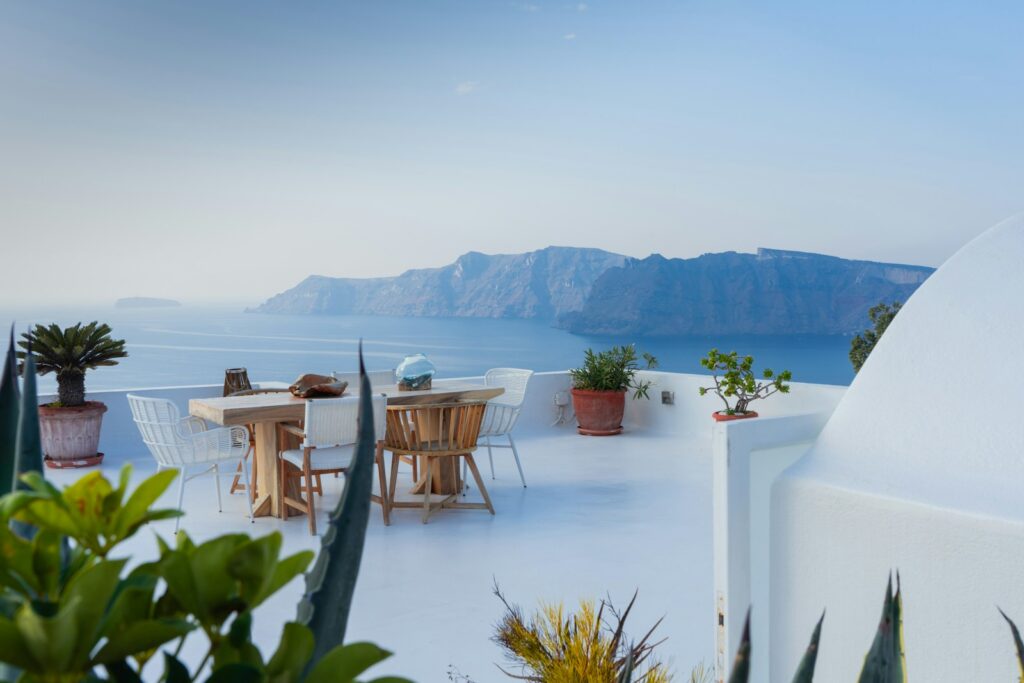
For retirees seeking warmth and affordability in one of Europe’s safest countries. For digital nomads who want to work with the Aegean visible from their terrace. For investors seeking EU residency through a programme that continues to offer genuine value.
For families drawn by outdoor lifestyle and a culture that takes children seriously. For all of these people, Greece in 2026 is not just a viable option it is, with the right preparation, one of the best available.
The paperwork is solvable. The language is learnable. And what waits on the other side of the process is a life conducted in one of the most beautiful places on earth, in a culture that has been thinking seriously about how to live well for longer than almost any other.