Moving to Bulgaria in 2026: A Simple Guide to Residency, Costs, and Everyday Life
Bulgaria does not always appear at the top of expat destination lists. It sits in the southeastern corner of Europe, sandwiched between Romania to the north, Serbia and North Macedonia to the west, Greece and Turkey to the south, and the Black Sea to the east. It does not have the warm-weather reputation of Portugal or the glossy international profile of Italy.
But for expats, remote workers, and retirees who do their research, it consistently delivers something rare: EU membership, Schengen access, a flat 10 percent income tax rate that is the lowest in the European Union, and a cost of living that makes almost every Western European alternative look expensive by comparison.
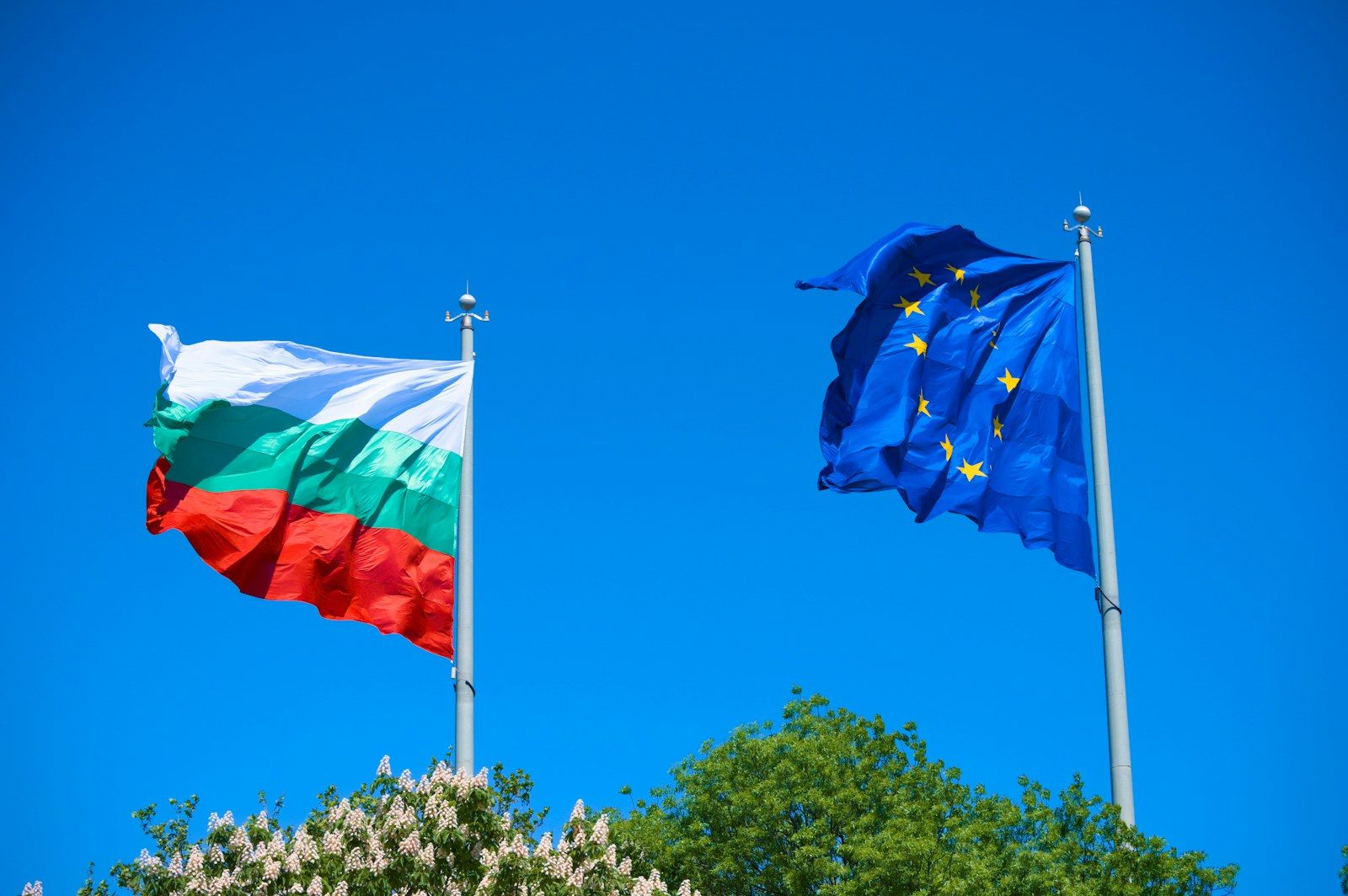
2026 is a significant year for Bulgaria specifically. On 1 January 2026, Bulgaria officially joined the eurozone. The Bulgarian lev is gone, and everything is now priced in euros at the fixed rate of 1 EUR = 1.95583 BGN.
This is a structural change that removes the currency risk and exchange cost that previously complicated daily financial life for euro-earning expats. It also triggered some price adjustments as the transition landed something worth being aware of when evaluating older cost-of-living guides.
Sofia remains the cheapest capital city in the European Union even after euro adoption, with a single expat able to live comfortably for EUR 1,500 to 2,000 per month, including a furnished one-bedroom apartment, utilities, groceries, occasional dining out, and private health insurance roughly half what the same lifestyle costs in Berlin and a third of Amsterdam or Dublin.
This guide gives you the complete, current picture of what moving to Bulgaria actually involves in 2026.
Why Move to Bulgaria?
The case for Bulgaria is built on a small number of very strong foundations, and for certain profiles of expat it is difficult to match anywhere in the EU.
The tax system is the most immediately striking feature. Bulgaria operates a flat 10 percent personal income tax on all income no progressive brackets, no complex marginal rate calculations, no top-rate shock.
Corporate tax is also a flat 10 percent. For entrepreneurs, remote workers, freelancers, and business owners who have been paying 35 to 48 percent marginal rates in Western Europe, the difference is immediate and dramatic.
Bulgaria’s flat 10 percent personal and corporate income tax is one of the lowest in the EU and is attractive for entrepreneurs, investors, and remote workers who become tax resident. There are also double taxation treaties in place to avoid double taxation.
The cost of living genuinely supports a comfortable lifestyle on budgets that feel tight in Western Europe. Rent in Sofia for a good one-bedroom apartment in a desirable neighbourhood runs €500 to €700 per month.
Outside the capital, rents drop further €250 to €400 for a one-bedroom in Plovdiv or Varna. Groceries at local markets are excellent value, and eating out at a good Bulgarian restaurant costs €8 to €15 per person including a drink.
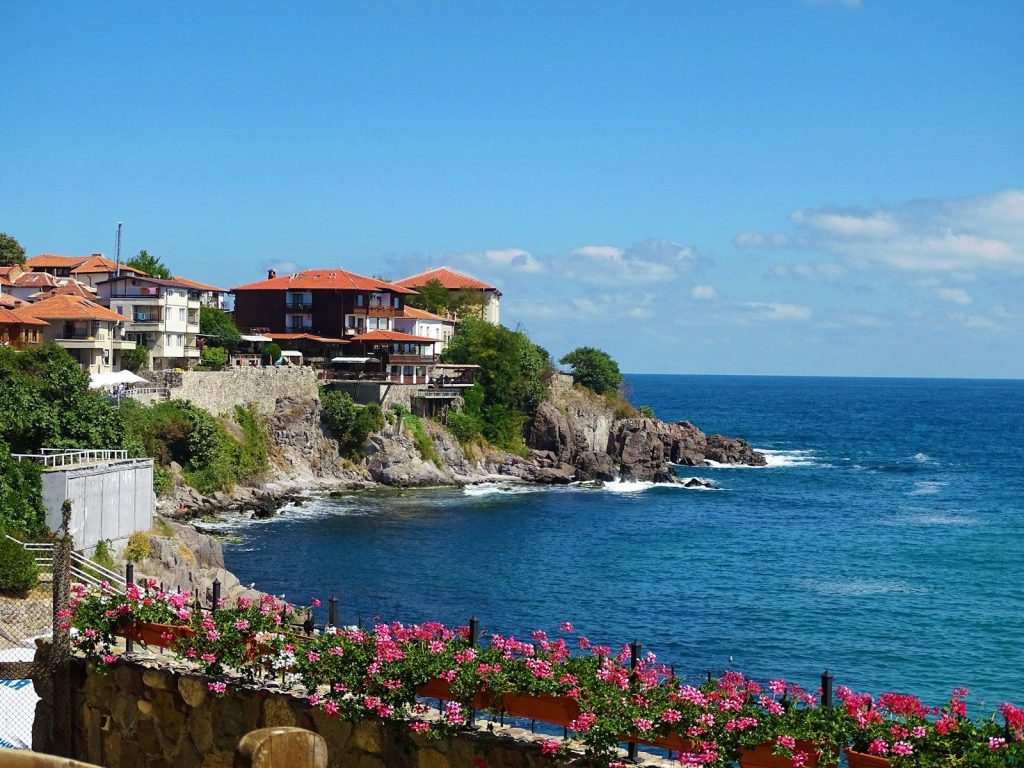
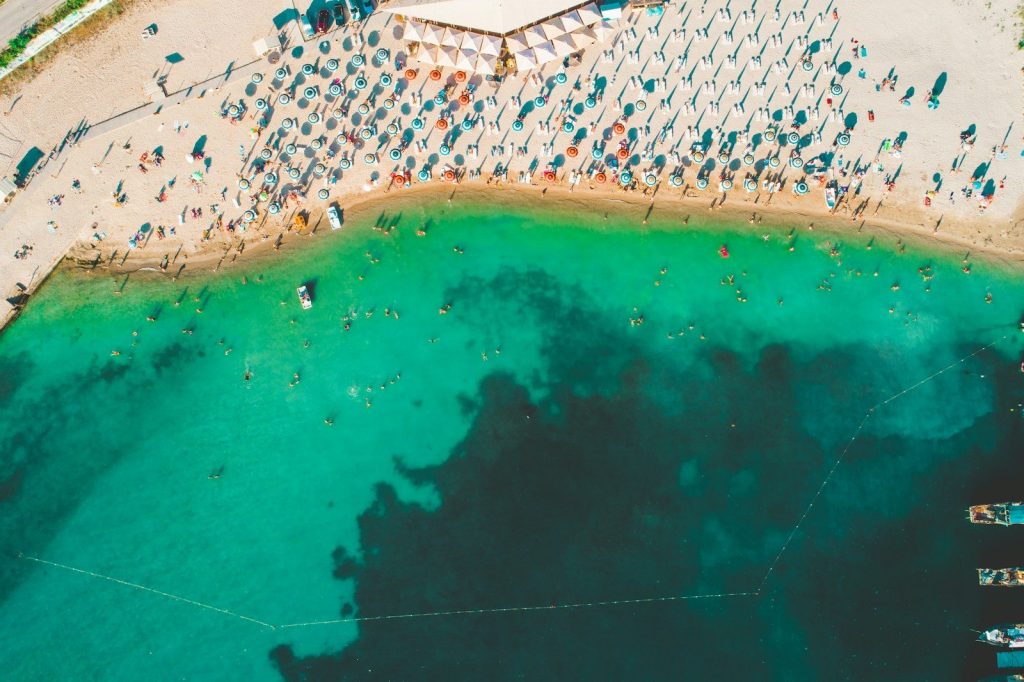
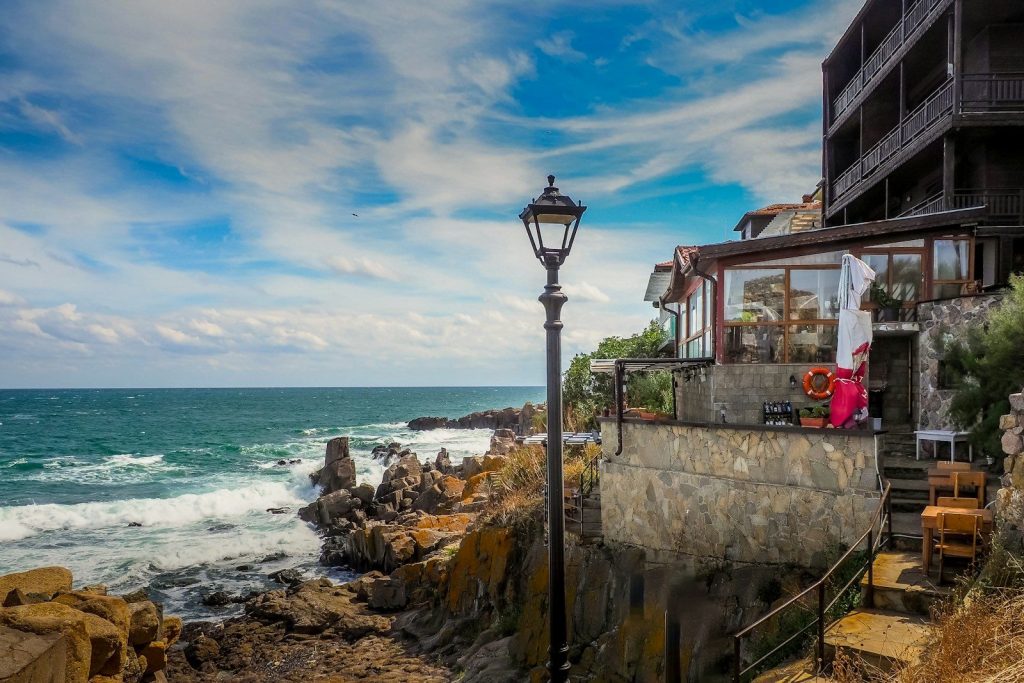
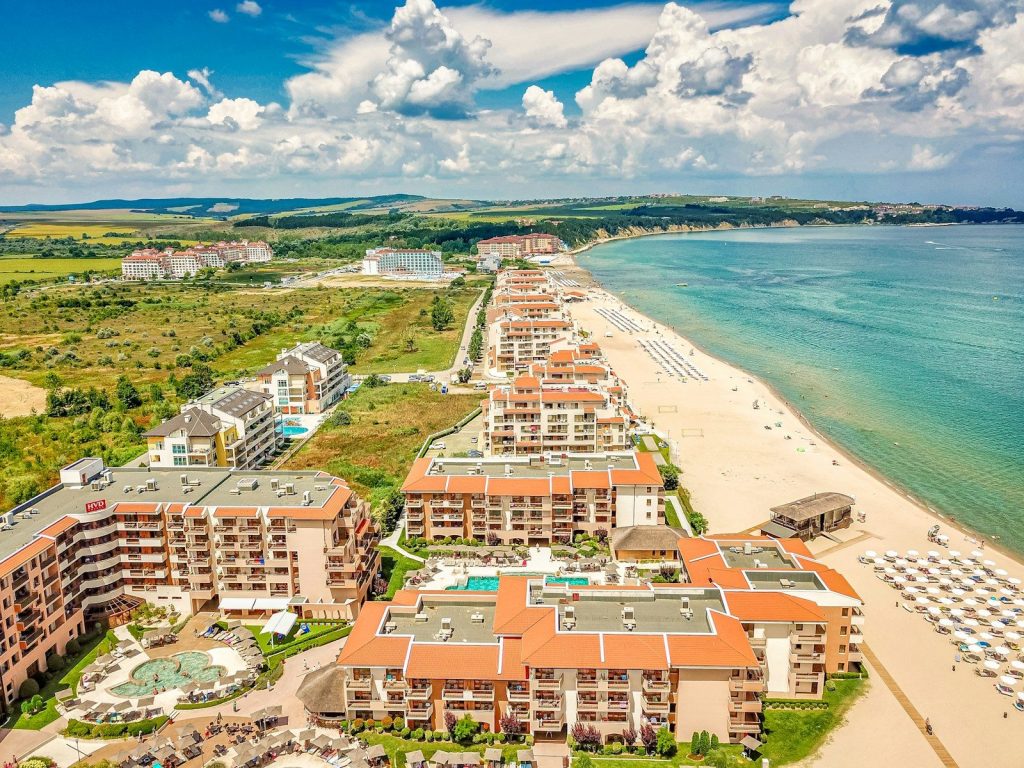
The geography is genuinely underrated. Bulgaria has ski resorts (Bansko, Borovets, Pamporovo) that are a fraction of the cost of their Swiss or Austrian equivalents. The Black Sea coast Varna, Burgas, Nessebar, and Sozopol offers summer beach living with warm water and Mediterranean conditions.
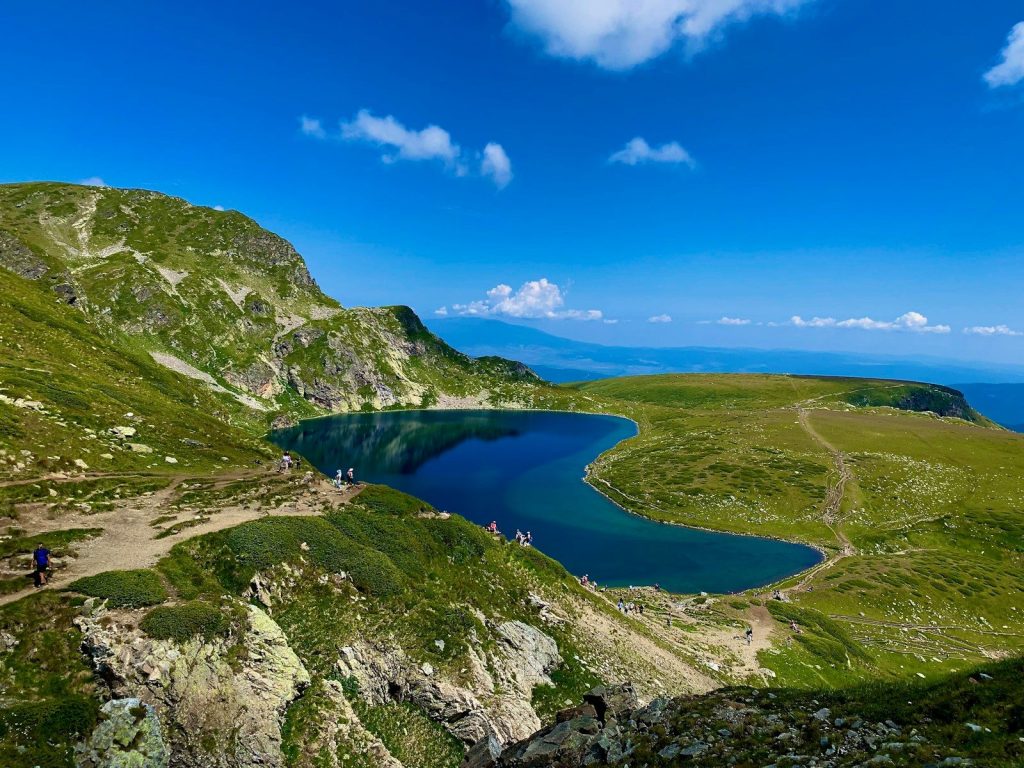
The Rose Valley, the Rhodope Mountains, and the ancient Thracian and Byzantine heritage sites create a landscape with unusual depth for a country of this size. Plovdiv, named a European Capital of Culture in 2019, has a genuine claim to being one of Europe’s most underrated mid-sized cities.
Bulgaria is a full EU member, joined Schengen in 2024, and joined the eurozone in 2026. Bulgaria’s EU membership combined with Schengen access adds value to its residence permits, granting mobility and options that extend beyond Bulgaria’s borders.
For non-EU nationals, Bulgarian permanent residency after five years provides EU-wide benefits including the right to live and work in other EU member states.
Who Can Move to Bulgaria?
Bulgaria’s residency framework has two distinct tracks, and which one applies to you shapes the process considerably.
EU, EEA, and Swiss citizens can move to Bulgaria freely, register their address, and begin working without any separate permit. They must register with the Migration Directorate at the Ministry of Internal Affairs and obtain a certificate of long-term residence (удостоверение за продължително пребиваване) if staying longer than three months. This registration requires proof of employment, self-employment, financial self-sufficiency, or study enrolment, but the process is administrative and relatively straightforward.
Non-EU nationals must obtain a Type D visa from a Bulgarian embassy or consulate in their home country before entering Bulgaria for stays longer than 90 days. The D visa serves as the entry permit that allows the person to then apply for a temporary residence permit (пребивателно разрешение) from within Bulgaria. The permit is issued for one year initially and is renewable annually. After five years of continuous lawful residence, permanent residence can be applied for.

The Complete Guide
Main Ways to Live in Bulgaria
Employment-Based Residency is for non-EU nationals with a Bulgarian job offer. The employer typically sponsors the D visa application, and the residence permit is tied to the specific employment. IT, business process outsourcing (BPO), and international companies operating in Bulgaria are the primary employers of internationally mobile professionals.
Company Formation Residency is one of the most popular routes for entrepreneurs and freelancers. Residency in Bulgaria is granted to foreign citizens who set up a company in Bulgaria, provided the company employs at least ten Bulgarian passport holders as permanent employees.
In practice, many immigration lawyers in Bulgaria structure this requirement carefully, and the specific employment numbers and substance requirements are worth discussing with a local specialist before committing to this route.
Financially Self-Sufficient Residence (sometimes called the Rentista or “financially secure persons” route) is available to non-EU nationals who can demonstrate sufficient income or savings to support themselves without working locally and without being a burden on the Bulgarian social security system.
A health insurance policy valid in Bulgaria is also required. This route is well-suited to retirees, dividend recipients, and remote workers with foreign income who do not need to establish a Bulgarian company.
Property Purchase Residency is available to non-EU nationals who purchase real estate in Bulgaria totalling at least €307,000 in value. The legislation does not impose restrictions on the location or use of the property. The purchase and sale agreement is submitted as part of the permit application.
Student Residency is tied to enrolment at a Bulgarian university or educational institution. Bulgaria has several internationally recognised universities Sofia University, New Bulgarian University, and the American University in Bulgaria among them with English-medium programmes.
Family Reunification is available to spouses and dependent children of Bulgarian citizens or legal residents.
The official Bulgarian immigration authority is the National Migration Directorate, part of the Ministry of Internal Affairs (Министерство на вътрешните работи), and current requirements are published at mvr.bg.
Residency Rules and Permits
The residency system in Bulgaria is designed around annual renewable permits that build toward permanent residency and eventually citizenship. Getting the foundational steps right matters, because errors or gaps reset the clock on permanent residency eligibility.
Non-EU citizens wanting to stay in Bulgaria for more than three months must apply for a residence permit. The process begins with a D category visa issued by a Bulgarian embassy or consulate abroad, which allows entry to Bulgaria to complete the in-country application.
Documents often need to be officially translated into Bulgarian and apostilled or legalised. Initial permits are usually issued for one year and are renewable.
Permanent residency requires five years of continuous lawful temporary residence in Bulgaria, with absences not exceeding 30 months in total across the five-year period. For the parallel EU long-term resident status, the absence limit is stricter no more than ten months total, with no single absence exceeding six consecutive months.
This distinction matters for people who plan to travel extensively or maintain a second home in another country the EU long-term resident route requires a significantly higher level of actual physical presence in Bulgaria.
After obtaining permanent residency and meeting additional requirements (including Bulgarian language test B1 level for citizenship), Bulgarian citizenship may be applied for. Bulgarian citizenship means an EU passport with visa-free access to approximately 170 countries.
One practical point that catches some applicants off guard: the residence permit application must be submitted in Bulgarian. Having an immigration lawyer or certified translator prepare and submit the application is strongly advisable for applicants who do not speak Bulgarian.
First Steps After Arrival
The sequence of administrative steps in Bulgaria rewards those who understand the order and move through it methodically.
Secure accommodation first. You need a confirmed Bulgarian address to submit your residence permit application and to complete address registration. Start with a short-term furnished rental through Airbnb or a local agency for the first one to three months while you establish your documentation and search for a longer-term option.
Obtain your Personal Identification Number (ЕГН / EGN). Bulgarian citizens and permanent residents have a 10-digit national identification number (Единен граждански номер). Non-EU residents receive a Foreigner’s ID Number (ЛНЧ / LNChP) upon receiving their residence permit. This number is required for banking, tax registration, and most official transactions.
Apply for your temporary residence permit. Submit to the Migration Directorate office in your district (oblast) within the validity period of your D visa. Bring your passport, D visa, proof of accommodation, health insurance documentation, and whichever supporting documents apply to your permit category income documentation, employment contract, university enrolment, or company registration as appropriate.
Open a Bulgarian bank account. With your residence permit card and foreign identification (passport), most Bulgarian banks will open an account for legal residents. Major banks include DSK Bank, UniCredit Bulbank, Postbank (Eurobank), and Raiffeisen Bank Bulgaria. Digital banks including Revolut and Wise are widely used by the international community alongside a local account.
Register with the National Revenue Agency (НАП / NAP) for tax purposes. If you are self-employed, running a company, or establishing Bulgarian tax residency, registration with NAP at nap.bg is required. Employed workers are handled through their employer’s payroll system.
Arrange health insurance. If you are employed by a Bulgarian company or are a self-employed Bulgarian company owner, contributions to the National Health Insurance Fund (НЗОК / NHIF) are mandatory and provide access to the public health system. Passive income residents who are not contributing through employment should maintain private health insurance.
Get a Bulgarian SIM card. The main mobile operators are A1, Yettel (formerly Telenor), and Vivacom. Monthly plans with unlimited or high-data 4G/5G coverage run €8 to €20 per month among the cheapest mobile rates in the EU.
Best Places to Live in Bulgaria
Bulgaria’s major cities each offer a distinct lifestyle, and the choice between them affects your monthly costs, your social environment, and your practical quality of life significantly.
| City | Avg Rent (1-bed, city centre) | Best For | Key Notes |
|---|---|---|---|
| Sofia | €500 – €700 | Careers, international life, services | Cheapest EU capital; strongest job market; most expats |
| Plovdiv | €250 – €400 | Culture, lifestyle, lower costs | European Capital of Culture; fast-growing; beautiful old town |
| Varna | €350 – €550 | Black Sea, beach lifestyle, summer | Coastal; marina; international community growing |
| Burgas | €300 – €450 | Beaches, quieter pace, families | More residential than Varna; good value |
| Bansko | €250 – €400 | Skiing, mountains, outdoor life | Winter ski resort; quiet off-season; growing nomad scene |
| Veliko Tarnovo | €200 – €350 | History, medieval culture, students | Stunning hilltop town; university city; very affordable |
Sofia is the natural starting point for most expats, and with good reason. Sofia is the cheapest capital in the European Union even after euro adoption. The city has grown considerably over the past decade and now offers a cosmopolitan urban experience that surprises most people arriving with low expectations.
The Vitosha mountain rises directly above the southern edge of the city, providing hiking access in summer and skiing at the Aleko resort in winter. The tech sector, financial services, and the BPO industry create genuine employment opportunity for internationally mobile professionals.
The expat community is well-established, with English widely spoken in younger professional circles.
Plovdiv is the city that consistently converts sceptics into advocates. Bulgaria’s second largest city sits on the Plovdiv river plain between seven ancient hills, with a preserved Old Town (Staryat Grad) of extraordinary quality and Roman amphitheatres still used for concerts today.
The city has a vibrant arts scene, excellent café and restaurant culture, and rents that are typically 30 to 40 percent below Sofia for equivalent properties. For digital nomads and lifestyle migrants who want cultural depth without capital city costs, Plovdiv is one of the most compelling options in southeastern Europe.
Varna is Bulgaria’s “Sea Capital” the largest city on the Black Sea coast, with a well-developed marina, a growing international community, and the combination of urban amenities and beach access that drives a consistent flow of new expat residents.
Summer brings the coastal lifestyle at its best; winters are quiet but mild compared to Sofia. The city’s investment in infrastructure has accelerated in recent years, and the co-working and digital nomad scene is now genuinely developed.
Bansko is one of Europe’s most cost-effective ski resort towns and has developed a notable digital nomad community around its combination of mountain environment, modern infrastructure, and very low prices. In winter typically December through March the skiing on the Pirin mountain is excellent, and the lift infrastructure compares well with more expensive Alpine resorts at a fraction of the price.
In summer, Bansko is quiet but usable as a hiking and mountain biking base. The combination of low costs, fast fibre internet, and a genuine international community makes it one of the more interesting alternative bases in southeastern Europe.
The Complete Guide
Cost of Living in Bulgaria
Bulgaria’s cost of living is its most powerful draw, and the numbers remain compelling even after the post-euro-adoption price adjustments.
Overall living costs in Bulgaria average around $917 per month, which is 32 percent below the global median. In Sofia, the capital, expect approximately $1,374 per month, while smaller provincial towns offer significantly lower costs. For expats earning in euros, dollars, or British pounds, this creates a purchasing power advantage that is difficult to replicate anywhere else in the EU.
| Expense Category | Bansko / Veliko Tarnovo | Plovdiv / Burgas | Varna | Sofia |
|---|---|---|---|---|
| Rent (1-bed, city centre) | €200 – €400 | €250 – €450 | €350 – €550 | €500 – €700 |
| Utilities (electricity, water, internet) | €60 – €100 | €70 – €120 | €80 – €130 | €100 – €140 |
| Groceries (single person) | €120 – €180 | €150 – €220 | €160 – €240 | €180 – €280 |
| Public transport (monthly pass) | €15 – €25 | €15 – €25 | €20 – €30 | €26 |
| Dining out (moderate frequency) | €80 – €150 | €100 – €180 | €120 – €200 | €150 – €250 |
| Health insurance (private) | €40 – €80 | €50 – €100 | €50 – €100 | €60 – €120 |
| Approximate Monthly Total | €515 – €935 | €635 – €1,095 | €780 – €1,250 | €1,016 – €1,516 |
Sofia’s monthly public transport pass costs €26, covering all trams, buses, and metro rides within the city one of the cheapest monthly transport passes of any European capital.
Food costs are genuinely very affordable at local markets and typical Bulgarian restaurants. Shopska salad (tomatoes, cucumber, onions, peppers, and white brined cheese) costs €2 to €3 at a local taverna.
A full meal at a mid-range Bulgarian restaurant runs €8 to €15 per person. Imported goods particularly branded Western food items carry a premium and are not the most cost-effective way to shop. Using the large domestic supermarket chains (Fantastico, Kaufland, Lidl, Billa) for everyday shopping and supplementing with local farmers’ markets (pazari) keeps grocery costs very low.
A significant practical note: Bulgaria joined the eurozone in January 2026, replacing the Bulgarian lev at the fixed rate of 1 EUR = 1.95583 BGN. This is now complete history all pricing is in euros, all bank accounts are in euros, and all transactions occur in euros. There is no more need to think about currency conversion or BGN arithmetic for daily life.
Housing and Rentals
Bulgaria’s rental market is accessible and affordable, but it has its own conventions that are worth understanding before you begin searching.
Standard lease terms in Bulgaria run one year, typically with one to two months of deposit. Month-to-month arrangements are available but uncommon for unfurnished apartments. Furnished apartments are widely available and practical for expats who are not committed to long-term settlement and do not want to invest in furnishing.
Bulgarian landlords do not have the equivalent of Germany’s credit score (Schufa) system or France’s formal income verification requirements. Most private landlords ask for a passport, a month’s deposit, and occasionally proof of employment or income. As a foreign resident, having a copy of your residence permit application receipt or permit card alongside your passport is useful additional documentation.
Housing in Sofia has risen noticeably over the past three to four years. A decent one-bedroom apartment in a good Sofia neighbourhood costs around €500 per month, with city-centre or sought-after areas requiring at least €600 to €700.
Popular expat neighbourhoods in Sofia include Lozenets, Ivan Vazov, Manastirski Livadi, and the areas around Vitosha Boulevard. These offer good restaurant and café access, proximity to parks and the mountain, and manageable commutes to the city centre.
For Varna and Burgas, the seasonal rental market creates a specific dynamic: short-term tourist demand in summer pushes prices significantly higher for beachfront and near-beach properties from June through September. Long-term annual leases in these cities, signed for the full year, generally provide better value than attempting to negotiate month by month through the summer tourist season.
The main property portals in Bulgaria are imot.bg and alo.bg, both with comprehensive listings in Bulgarian. Working with a local estate agent (агент за недвижими имоти) who speaks English is the most practical approach for newly arrived expats.
Healthcare and Insurance
Bulgaria’s healthcare system is a national health insurance model funded through compulsory contributions, with the National Health Insurance Fund (НЗОК / NHIF) serving as the central insurer. All employed workers and self-employed individuals contribute approximately 8 percent of gross income to NHIF (split between employer and employee), which provides access to GP services, specialist referrals, and hospital treatment through the NHIF network.
The public system is accessible and covers essential care, but has limitations that are important to understand. Wait times for specialist consultations in the public system can be long. Hospital facilities outside Sofia and Varna vary significantly in quality and equipment. Many Bulgarian doctors work across both public and private sectors, and seeing the same physician privately is often faster and more convenient.
Private health insurance is the practical solution for most expats. All three major expat cities Sofia, Plovdiv, and Varna have private clinics catering to the international community. Private specialist consultations typically cost €20 to €50, which makes out-of-pocket care for routine issues genuinely affordable even without insurance.
For comprehensive coverage including hospitalisation, private annual plans run approximately €400 to €800 per adult depending on age and coverage level, through Bulgarian providers like UNIQA, Allianz Bulgaria, and DZI.
International health insurance through Cigna Global or Allianz Care is also used by many Digital Nomad Visa-style residents who want coverage that extends beyond Bulgaria’s borders.
Banking and Money
Bulgaria’s banking system operates in euros since January 2026, and the administrative aspects of banking for new residents are well-established in major cities.
The main retail banks are DSK Bank, UniCredit Bulbank, Postbank (Eurobank Bulgaria), Raiffeisen Bank Bulgaria, and First Investment Bank (Fibank). All offer online banking, SEPA transfers, and Mastercard or Visa debit cards.
Account opening requires a valid passport and your residence permit or residence permit application receipt, along with a Bulgarian address. In-person account opening takes 30 to 60 minutes in most cases.
For the period before your residence permit card is issued during which you only have the permit application receipt some banks are more flexible than others. Postbank and UniCredit Bulbank have a reasonable reputation for opening accounts at this stage, but requirements can vary by branch. Having a Bulgarian immigration lawyer or accountant facilitate the introduction helps considerably.
Digital banks are extensively used by the expat community. Revolut and Wise both operate normally in Bulgaria, and their euro accounts function seamlessly within Bulgaria’s eurozone infrastructure. Many expats use a combination of a Bulgarian bank account for local transactions and Revolut or Wise for international transfers and currency management.
Bulgaria is increasingly cashless in urban areas, and card and contactless payments work reliably in Sofia, Varna, and Plovdiv. Cash is still useful in rural areas, smaller towns, and some markets.
The Complete Guide
Taxes and Legal Basics
Bulgaria’s tax system is genuinely simple and genuinely competitive. The flat 10 percent personal income tax applies to all income above the personal allowance. Corporate income tax is also 10 percent. VAT is 20 percent on standard goods and services, 9 percent on some hospitality and cultural services. There is no inheritance tax on assets transferred to direct family members.
Tax residency in Bulgaria is established by having a permanent address in Bulgaria, spending more than 183 days in a calendar year in Bulgaria, or having your centre of vital interests (primary economic and personal connections) in Bulgaria.
Once tax resident, worldwide income is in principle taxable in Bulgaria, subject to double taxation treaty relief where applicable. Bulgaria has treaties with most major countries including the US, UK, Germany, France, Italy, Spain, and the Netherlands.
For remote workers establishing Bulgarian tax residency, the 10 percent flat rate on worldwide income versus the 42 to 48 percent marginal rates typical in Western Europe represents a very significant after-tax income improvement.
The key requirement is that Bulgarian tax residency is genuine: real accommodation, real physical presence of 183 or more days, and proper tax registration with the National Revenue Agency (NAP).
Self-employed individuals and company owners register for the Патент (patent tax system) or standard corporate tax through NAP. Mandatory monthly social insurance payments for higher earners currently sit near €660 per month, with legislation on the table that may push this figure to approximately €783 in late 2026.
This social insurance obligation is separate from income tax and applies to self-employed individuals; it is a real cost that needs to be factored into any financial planning for Bulgarian self-employment.
Working in Bulgaria
Bulgaria’s job market has grown significantly over the past decade, driven by an expanding technology sector, a well-established BPO and shared services industry, and the natural advantage of being the lowest-cost EU member state in terms of labour.
The technology sector is the strongest sector for internationally mobile professionals. Sofia has developed a genuine tech ecosystem companies including Telerik (now Progress), Payhawk, and numerous international technology company development centres have established significant Bulgarian operations.
The combination of strong engineering education (Sofia University, Technical University of Sofia, and others produce thousands of software graduates annually) and among the lowest operating costs in the EU creates a concentration of tech employment that is growing year on year.
BPO and shared services covering customer service, accounting, legal support, and back-office operations for major international companies is one of Bulgaria’s largest employers of internationally oriented professionals. These roles are accessible to English-speaking expats in most cases, and Sofia and Plovdiv both have large concentrations of shared services centres.
For remote workers, Bulgaria simply provides the legal and fiscal framework the flat 10 percent tax, the relatively accessible residence permit routes, and the low living costs without imposing specific job market requirements on people whose income comes from outside the country.
Teaching English is a consistent secondary income source for native speakers in Sofia, Varna, and Plovdiv, with language schools and private tutoring both viable and in demand.
The Bulgarian language is important for most roles at Bulgarian employers. It is a South Slavic language written in the Cyrillic alphabet, and while it is learnable, it requires genuine investment. For roles at multinational companies operating in Bulgaria, English proficiency is often sufficient for workplace function.
Education and Family Life
Bulgaria offers a public school system that teaches in Bulgarian and is free to all resident children. The curriculum is generally solid at primary level, and the university system led by Sofia University, the Medical University of Sofia, and several technical universities offers good quality higher education at very low tuition fees (typically €500 to €2,000 per year for EU residents).
For families with children who need English-medium education, the international school sector in Sofia is well-developed. The American College of Sofia, the British School of Sofia, and the Sofia International School all offer English-medium education with IB and equivalent curricula.
Annual fees range from approximately €8,000 to €15,000 per child, which is affordable by European international school standards. In Varna and Plovdiv, English-medium private schools are also available, though with a smaller selection.
Families consistently cite safety as one of Bulgaria’s strongest family lifestyle features. Street crime rates are low, children play outdoors in neighbourhoods, and the culture has a strong community orientation that makes family life feel socially supported in a way that many larger European capitals do not.
Childcare is widely available and affordable. State kindergartens are subsidised and inexpensive; private nurseries in Sofia typically cost €200 to €400 per month.
Daily Life and Transport
Getting around Bulgaria is practical and inexpensive. Sofia has a metro system with three operating lines (expanding to four by late 2026), supplemented by an extensive tram and bus network. Sofia’s monthly public transport pass costs €26 covering unlimited metro, tram, and bus travel which is one of the genuinely remarkable everyday value facts of life in the Bulgarian capital.
Ride-hailing apps including Bolt and Uber both operate in Sofia and Varna, and local taxi apps like Taxi Me are also active. A taxi from Sofia Airport to the city centre costs approximately €8 to €12.
For intercity travel, Bulgarian State Railways (БДЖ / BDZh) connects Sofia to Plovdiv (two hours), Varna (approximately seven hours), and other major cities, at very low fares. Long-distance buses operated by private companies are generally faster and more comfortable for most routes the Sofia to Varna bus takes approximately six hours.
Domestic flights exist but are limited; the main airline serving domestic routes is Bulgaria Air. For European travel, Sofia Airport has direct connections to most major European cities with budget carriers including Ryanair, Wizz Air, and easyJet, making Bulgaria an exceptionally well-connected base for people who travel regularly within Europe.
Driving in Bulgaria is straightforward on main roads but requires caution on secondary routes, which can be narrow and less well-maintained. A vignette (road tax sticker) is required for motorway use. International licences are valid for up to one year from the date of Bulgarian address registration; after that, conversion to a Bulgarian licence is required for EU nationals.
Internet connectivity in urban Bulgaria is excellent. Fibre connections with speeds of 500 Mbps to 1 Gbps are available in most Sofia, Varna, and Plovdiv residential buildings for €15 to €25 per month among the fastest and most affordable home internet in Europe. Mobile data is similarly affordable at €8 to €20 per month for high-data plans.
The Complete Guide
Language and Culture
Bulgarian (Български) is a South Slavic language that uses the Cyrillic alphabet. This is the most immediately noticeable practical challenge for most English-speaking expats the alphabet is genuinely different and requires learning before street signs, menus, and official correspondence become navigable. The alphabet has 30 characters and takes most people two to four weeks to learn to read fluently, even without understanding the words.
In Sofia and Varna particularly, English proficiency among younger generations (under 40) is widespread and functional. In professional settings in tech, finance, and services, English is common. Administrative offices, healthcare outside international-oriented private clinics, and most everyday neighbourhood life in smaller cities and towns operates in Bulgarian.
Learning Bulgarian is not optional for long-term quality of life. It is the language of your neighbourhood, your landlord, your GP, your municipal office, and your social integration. Investment in Bulgarian from the beginning even A2 level transforms daily life quality noticeably.
The Bulgarian Cultural Institute and language schools including the New Bulgarian University’s Language Centre offer structured courses. Online resources including italki and Bulgarian native tutors are widely used.
Bulgarian culture has a Mediterranean warmth mixed with a Balkan directness that can initially feel abrupt to people from more formally polite northern European backgrounds.
Direct communication, strong family networks, an outdoor café culture that peaks from April through October, and a food tradition centred on fresh vegetables, white brined cheese (sirene), yogurt, and grilled meats define daily social life.
Bulgaria’s festival calendar includes the Rose Festival in Kazanlak in early June celebrating the rose oil industry for which the Rose Valley is internationally known and numerous local Orthodox Christian celebrations throughout the year.
Pros and Cons of Living in Bulgaria
The genuine advantages are compelling for the right person. The lowest flat income tax rate in the EU at 10 percent. The cheapest capital city in the EU with a comfortable single-person lifestyle available for €1,500 to €2,000 per month.
Full EU and Schengen membership. Eurozone membership since January 2026. Extraordinary value outdoor lifestyle skiing, hiking, and Black Sea beach access within a single country. Low crime rates. A growing technology and professional services sector in Sofia.
The honest challenges are equally real. Bulgarian language and the Cyrillic alphabet present a genuine learning curve. Administrative processes are slow, paper-dependent, and require patience residence permit processing can take weeks to months.
Social security contributions for self-employed individuals are a real and rising cost that significantly affects the net tax advantage for higher earners. Parts of the public healthcare system are under-resourced outside Sofia and the major coastal cities.
The country’s economic development, while improving, is not uniform service quality varies considerably between the capital and smaller towns.
Moving to Bulgaria Checklist
Six to three months before:
Choose your residency pathway financially self-sufficient, company formation, employment-based, student, or family reunification. Apply for the D visa from the Bulgarian embassy or consulate in your home country.
Gather documentation: apostilled criminal background certificate from your country of nationality and any country where you have lived in the past five years; birth certificate; proof of income or savings; health insurance documentation. Have all documents translated into Bulgarian by a sworn translator.
One to two months before:
Arrange short-term furnished accommodation in your target city imot.bg is the main portal for Bulgarian property listings. Arrange private health insurance valid in Bulgaria required for the residence permit application and essential for all non-contributing residents. Research local banks and prepare documentation for account opening. Begin Bulgarian language learning even learning the Cyrillic alphabet before arrival significantly reduces arrival-day friction.
Arrival week:
Submit your temporary residence permit application to the Regional Migration Directorate office. Bring your passport, D visa, health insurance documentation, proof of accommodation, and income/financial documentation. Register your address at the local municipal office. Open your bank account with your passport and permit application receipt. Register with NAP (National Revenue Agency) if self-employed or establishing a Bulgarian company. Purchase a Bulgarian SIM card from A1, Yettel, or Vivacom.
Ongoing:
File your annual Bulgarian income tax return by April 30 for the preceding tax year through the NAP portal at nap.bg. Renew your temporary residence permit annually before expiry apply at least three months before the current permit expires to allow for processing time.
After five years of continuous lawful residence with total absences not exceeding 30 months, apply for permanent residency at the Migration Directorate. Continue Bulgarian language development throughout B1 proficiency significantly expands daily life quality and career access.
Common Mistakes to Avoid
Not starting the D visa process early enough. Bulgarian embassies in some countries have limited appointment availability, and the entire sequence D visa, then in-country residence permit cannot begin without the D visa. Start this process at least three to four months before your planned move date.
Using outdated cost-of-living information that pre-dates the eurozone switch. Prices in Bulgaria are now in euros, and the transition period in early 2026 triggered some upward adjustment across rent and consumer goods. Guides citing prices in Bulgarian lev are now obsolete. Budget using current euro figures from 2026 sources.
Underestimating social insurance contributions for the self-employed. The 10 percent income tax rate is compelling, but the mandatory social and health insurance contributions for self-employed individuals add a significant additional cost that is separate from income tax. For higher earners, these contributions represent a material reduction in the net tax advantage. Get a current estimate from a Bulgarian accountant before making financial projections.
Letting the residence permit expire before renewal. The five-year clock toward permanent residency only counts unbroken continuous lawful residence. Any gap between permit expiry and renewal resets the continuity. Apply for renewal well before the current permit expires three months ahead is the recommended lead time given that processing can take weeks.
Not learning the Cyrillic alphabet. It takes two to four weeks of consistent effort to read Cyrillic, and the quality of daily life improvement from being able to read street signs, menus, and basic administrative documents is immediate and significant.
The Complete Guide
FAQs About Moving to Bulgaria
Is it hard to move to Bulgaria?
For EU citizens, the registration process is relatively simple and administrative. For non-EU nationals, the D visa plus residence permit sequence requires organised documentation, Bulgarian-language translations, and patience with processing times. With professional immigration support, the process is well-managed. Without it, the Bulgarian-language requirement for applications makes self-navigation considerably more difficult.
How much money do I need to live in Bulgaria?
A single expat can live comfortably in Sofia for €1,500 to €2,000 per month, including a furnished one-bedroom apartment, utilities, groceries, occasional dining out, and private health insurance. In smaller cities like Plovdiv, Burgas, or Bansko, the same lifestyle runs €700 to €1,200. A budget reserve of €3,000 to €5,000 is prudent for covering the D visa fees, permit application fees, first month’s rent, deposit, and setup costs.
Do I need to speak Bulgarian?
For full independent life government offices, healthcare, landlords, neighbourhood interactions yes. In Sofia’s international professional community, English functions in most professional contexts. Learning the Cyrillic alphabet should be treated as a baseline requirement before arrival, followed by systematic Bulgarian language study in the first year.
What city is best for expats in Bulgaria?
Sofia for career opportunity, international community, and the broadest range of services. Plovdiv for lifestyle quality and cultural depth at lower cost. Varna for Black Sea lifestyle and a growing digital nomad scene. Bansko for mountain life and a focused nomad community at very low cost. The right answer depends almost entirely on what you are optimising for.
Can foreigners work in Bulgaria?
EU citizens can work freely without any permit. Non-EU nationals need either employer sponsorship (work-based residence permit), company ownership through the business formation route, or the financially self-sufficient residence classification for passive income and remote work.
Working for Bulgarian clients or employers while on a self-sufficient residency permit is not permitted under that visa category and requires a separate work authorisation.