Moving to Austria in 2026: The Complete Guide for Expats, Digital Nomads and Skilled Professionals
Austria does not make a great deal of noise about itself, which is one of the reasons it repeatedly tops quality-of-life rankings while destinations with louder international marketing campaigns struggle to keep up.
Vienna has held a position near the top of the Economist Intelligence Unit’s Global Liveability Index for years consistently rated among the world’s most liveable cities alongside Copenhagen and Zurich and the country as a whole offers a combination of public infrastructure, healthcare, natural environment, and civic stability that is genuinely difficult to match anywhere in Central Europe.
For professionals, the combination of a strong economy, a transparent and rule-based immigration system, and a job market that is actively recruiting internationally in specific shortage occupations makes Austria one of the more clearly signposted relocation destinations in Europe for people whose skills are in demand.
The Red-White-Red Card Austria’s points-based work permit system is designed for exactly this purpose, and its 2026 reforms have made it more accessible than in previous years for IT professionals, engineers, and specialists in healthcare.
For those whose income is portable remote workers, investors, retirees Austria is a more complex calculation. There is no dedicated digital nomad visa, no passive income residency pathway equivalent to Portugal’s D7, and no flat tax regime for foreign residents.
The country’s tax system is standard European progressive, and German is genuinely necessary for more than a surface-level existence. But for those who meet the requirements, invest in the language, and engage seriously with what Austria offers, the reward is a quality of daily life that few European countries can match.
Why Move to Austria?
The reasons divide broadly into quality-of-life factors and professional or financial ones, and they tend to reinforce each other.
On the quality-of-life side, the case is straightforward. Austria is safe crime rates are consistently among the lowest in the EU, and the sense of personal security across the country’s cities is one of the most immediately striking features of daily life for newcomers arriving from larger European capitals.
The public infrastructure is excellent: the transport networks in Vienna, Graz, and other major cities are efficient and comprehensive; the healthcare system is well-funded and accessible; the parks, museums, concert halls, and cultural institutions are world-class by any standard.
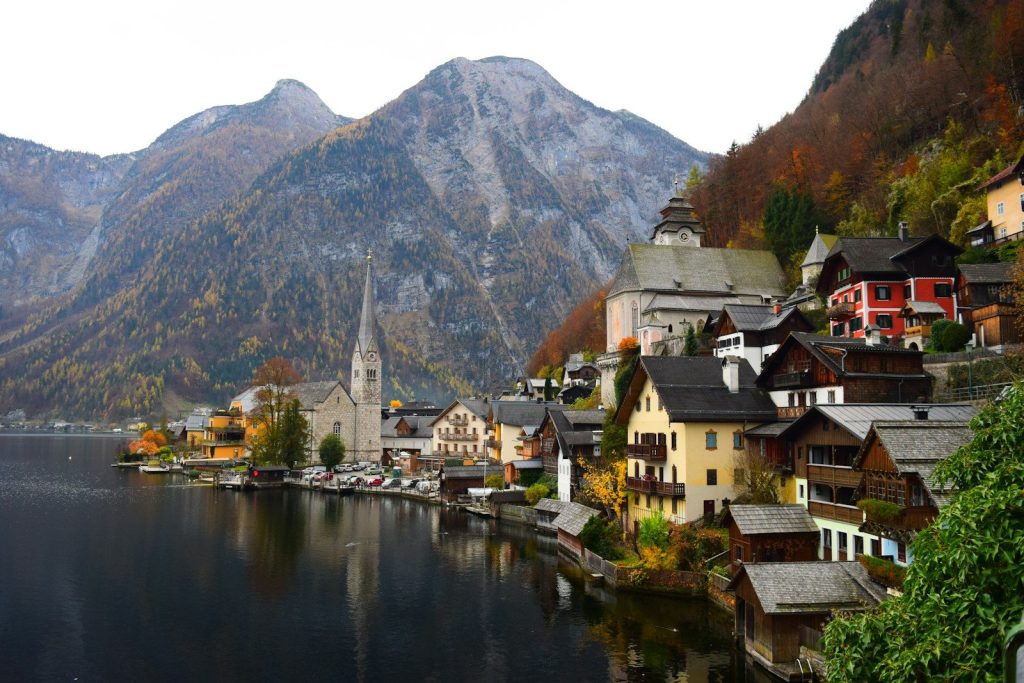
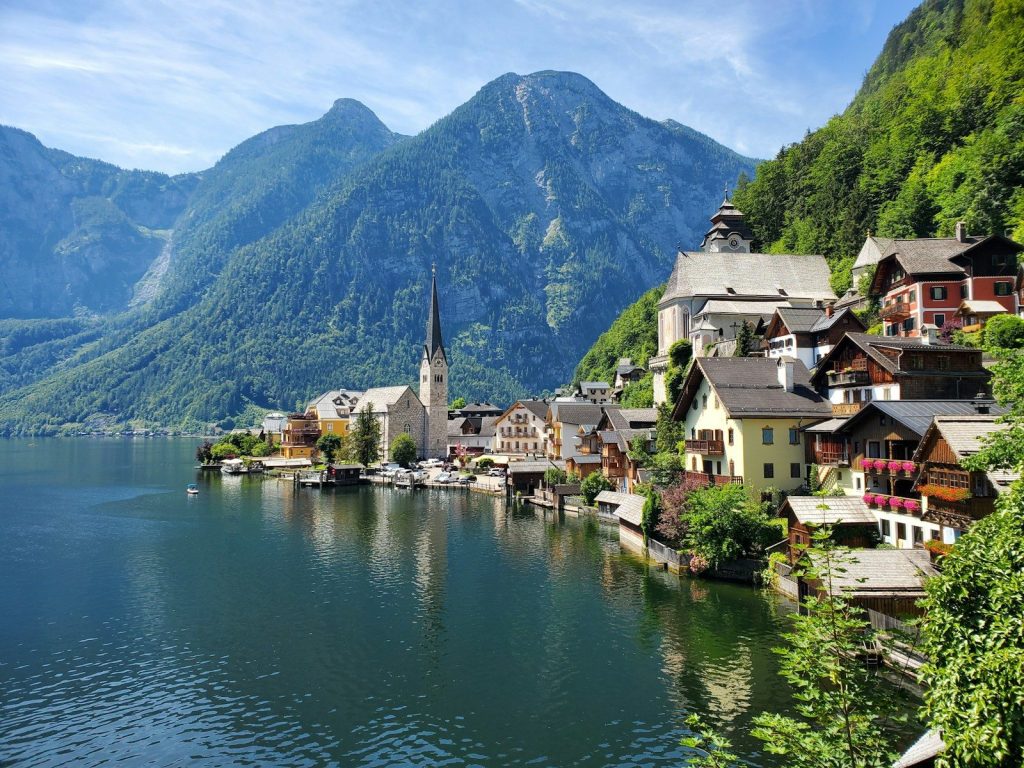
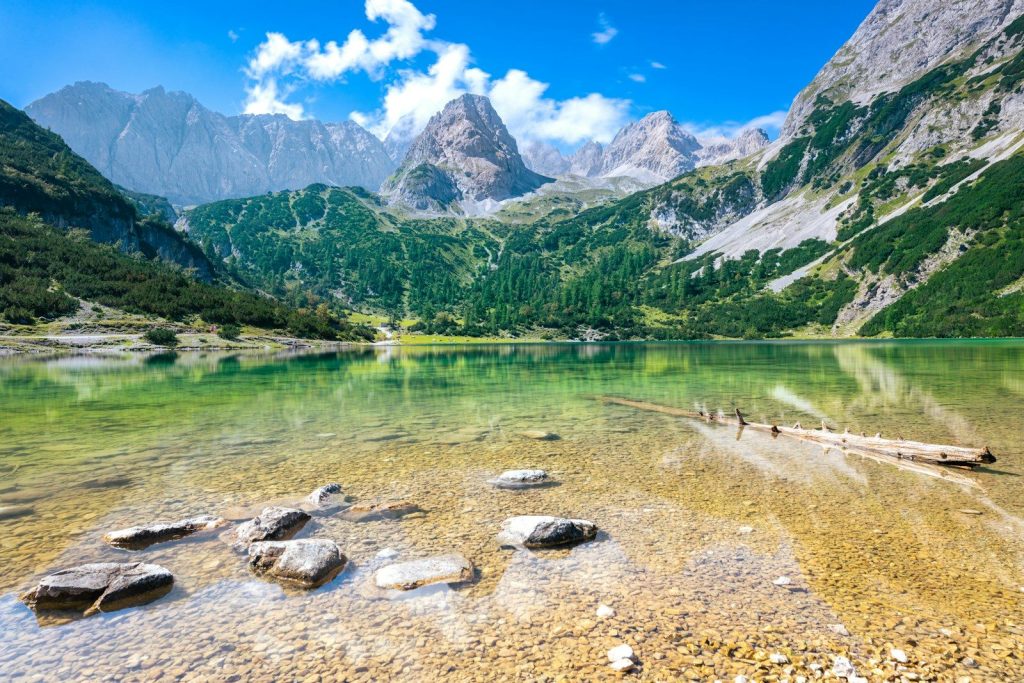
The Alpine geography that occupies two-thirds of the country’s territory gives Austria an outdoor leisure environment skiing, hiking, cycling, and climbing within an hour or less of most major cities that is impossible to replicate at equivalent cost in Germany, Switzerland, or France.
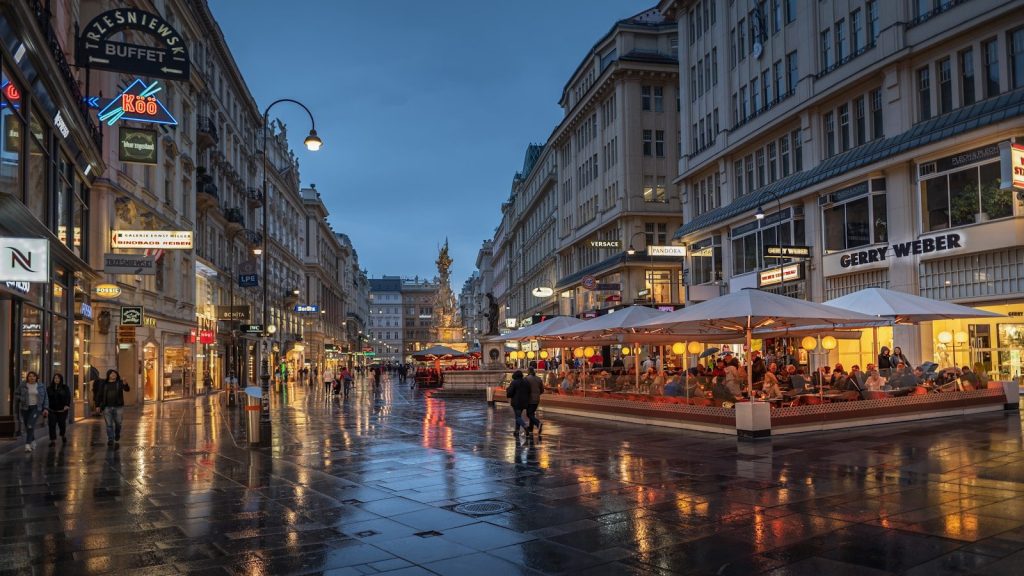
Vienna is the obvious anchor. It is a city of approximately two million people that functions with the organisation and cleanliness of a much smaller city, offers opera, classical music, and cultural institutions at a density that few cities anywhere can match, and manages to feel genuinely liveable rather than merely impressive.
Vienna is consistently ranked among the world’s most liveable cities and sits 24th out of 226 cities on Mercer’s Cost of Living ranking, which places it in the expensive but not extreme category by global standards.
The work-life balance culture in Austria is real and institutionally supported. Collective bargaining agreements are strong, worker protections are meaningful, statutory paid leave is generous (a minimum of five weeks per year for full-time employees), and the culture of Feierabend the clear, firm boundary between work and personal time functions in Austria much as it does in Germany.
For professionals moving from always-on work cultures in the United States, Australia, or the UK, this shift takes adjustment but tends to be experienced as profoundly positive.
Who Can Move to Austria?
Austria distinguishes sharply between two categories of potential resident, and the distinction determines almost everything that follows.
EU, EEA, and Swiss citizens can move to Austria freely without any visa or permit requirement. After three months of residence, they must register their address at the local Meldeamt (registration office) and, for stays beyond three months, obtain a Registration Certificate (EU-Registrierungsbescheinigung) from the municipal authority. They can work, study, or establish businesses without restriction and access public services on the same terms as Austrian citizens.
Non-EU nationals require a residence permit appropriate to their intended activity. The main routes are: the Red-White-Red Card for skilled workers; the EU Blue Card for highly qualified professionals; family reunification; student residence permits; and the Red-White-Red Card Plus (which follows the standard Red-White-Red Card and grants open-access employment rights).
There is no passive income residency visa, no digital nomad visa, and no investor golden visa in Austria’s immigration framework in the way that Portugal, Malta, or Cyprus offer them. The system is structured around work, family, or study not around financial sufficiency or remote income.

The Complete Guide
Visa and Residency Options
Austria’s immigration framework was substantially modernised in recent years, but the 2026 salary thresholds represent the most practically significant recent change for incoming professionals.
The Red-White-Red Card (Rot-Weiß-Rot-Karte) is Austria’s primary work-based immigration instrument for non-EU nationals. It is a points-based system that assesses applicants on qualifications, work experience, age, language skills (German and/or English), and the salary offered. From 1 January 2026, the minimum gross monthly salary for the standard Other Key Workers category of the Red-White-Red Card is €3,465 — up from €3,225 in 2025.
Austrian salaries are paid in 14 instalments per year 12 standard monthly payments plus a 13th (June) and 14th (November/December) holiday payment which is a structural feature that affects all calculations and offer letters.
The Red-White-Red Card has several specific categories. The Highly Qualified Worker route requires 70 points out of 100 and allows a six-month job-search entry without a pre-existing offer. The Skilled Worker in Shortage Occupation route requires 55 points and has no labour market test the Austrian Public Employment Service (AMS) publishes an annual list of shortage occupations, which in 2026 includes 64 nationwide and 66 regional categories.
IT, engineering, and healthcare dominate the shortage occupation list, making these fields the most accessible entry points for non-EU professionals. The Other Key Workers route requires 55 points plus the €3,465 minimum monthly salary and a labour market test confirming no equivalent Austrian candidate is available.
The Red-White-Red Card is issued for two years initially and is tied to the specific employer listed on the application. After 21 months of compliant employment (or 24 months with less than 21 qualifying months), the holder can apply for the Red-White-Red Card Plus, which grants open access to the Austrian labour market and is renewable.
After five years of legal residence under qualifying permits, permanent settlement (Niederlassungsbewilligung) can be applied for, followed by Austrian citizenship after ten years of continuous legal residence.
The official application guidance and the current shortage occupation list are published on the Austrian Federal Government’s migration portal at migration.gv.at.
The EU Blue Card (EU-Blaue Karte) is the EU-wide instrument for highly qualified professionals with a university degree. From 1 January 2026, the EU Blue Card salary threshold in Austria is €55,678 gross per year meaning approximately €3,977 to €4,000 gross per month across 14 payments.
The Blue Card is generally more appropriate for senior professionals with strong academic credentials who want the enhanced EU mobility rights it confers Blue Card holders can move to other EU member states after 18 months of residence under simplified procedures. The official EU Blue Card information for Austria is published at oesterreich.gv.at.
Student Residence Permits are available to non-EU nationals enrolled at Austrian universities (Universitäten) and universities of applied sciences (Fachhochschulen). Austria’s public universities charge modest tuition fees semester contributions typically run €300 to €800, depending on degree level and nationality and the student permit allows part-time work of up to 20 hours per week.
Students who complete a degree at an Austrian institution can apply for a job-seeking residence title for 12 months to find qualifying employment.
Family Reunification is available to non-EU nationals who are spouses or minor dependent children of Austrian citizens, EU citizens resident in Austria, or existing permit holders. The specifics of qualifying relationships and income requirements for sponsoring a family member vary depending on the permit type held by the existing resident.
First Steps After Arrival
The administrative sequence in the first days after arriving in Austria is well-defined and deadline-driven.
Within three days of moving into your accommodation: Register your address at the Meldeamt (registration office), part of the local Magistrat or Gemeindeamt. This Meldezettel (registration confirmation) is the document on which everything else bank accounts, tax registration, health insurance, permit applications depends.
You will need your passport, your rental contract, and a landlord confirmation (Meldebestätigung) signed by your landlord. Without the Meldezettel, you cannot open a bank account, register for health insurance, or submit a residence permit application. Book your Meldeamt appointment as soon as your accommodation is confirmed in Vienna, slots fill one to two weeks ahead.
Within a few weeks: Apply for your residence permit at the competent residence authority (Landeshauptmann or authorised regional administrative authority). Non-EU nationals must submit their residence permit application at either the Austrian embassy or consulate in their home country before travelling, or if already in Austria legally at the relevant Austrian authority.
Applications require the Meldezettel, passport, employment contract with salary evidence, health insurance documentation, and the signed landlord confirmation.
Obtain your Austrian tax number (Steuernummer) from the relevant Finanzamt (tax office). This is automatically assigned to employed workers through payroll, but self-employed individuals must register proactively at finanzonline.bmf.gv.at.
Open your Austrian bank account at one of the main retail banks (Bank Austria, Erste Bank, Raiffeisen, BAWAG). The Meldezettel and passport are the minimum requirements for most account openings; non-EU nationals will also typically need their residence permit or permit application receipt.
Best Places to Live in Austria
Austria’s cities are compact, well-connected, and distinctly individual in character. The choice between them is more meaningful than the country’s small size might suggest.
| City | Best For | Avg Rent (1-bed, city centre) | Key Notes |
|---|---|---|---|
| Vienna | Careers, culture, expat life | €900 – €1,400 | Capital; most expensive; world-class liveability |
| Salzburg | Culture, outdoors, lifestyle | €900 – €1,300 | Beautiful; tourist-heavy; excellent quality of life |
| Graz | Students, tech, affordability | €700 – €950 | Austria’s second city; universities; emerging tech hub |
| Innsbruck | Mountain lifestyle, outdoor sports | €800 – €1,100 | Ski access; compact; University of Innsbruck |
| Linz | Industry, affordability, families | €650 – €850 | Most affordable major city; strong industrial economy |
| Smaller cities / towns | Budget living, quiet pace | €500 – €750 | Lower costs; require stronger German; good infrastructure |
Vienna is the only Austrian city that operates at the scale of a major European capital, and for most internationally mobile professionals it is the natural starting point. The job market in technology, finance, consulting, international organisations (the UN, IAEA, and OPEC all have Vienna offices), and the arts is more diverse and more internationally oriented than any other Austrian city.
The public transport network (U-Bahn metro, Straßenbahn trams, S-Bahn suburban rail, and buses) is excellent and remarkably affordable: the annual Vienna transit pass (Jahreskarte) costs €365 literally €1 per day. The city’s social and cultural life, from the Staatsoper and the Kunsthistorisches Museum to the café culture and the Naschmarkt, creates a residential environment of extraordinary depth and quality.
One-bedroom apartments in Vienna city centre range from €750 to €1,100 per month, while outside the city centre they cost €550 to €800. Note, however, that a significant proportion of Vienna’s rental market consists of Gemeindewohnungen (municipal housing) and Genossenschaftswohnungen (cooperative flats), which are substantially cheaper than market-rate private rentals but require years of prior Vienna residency to access.
New arrivals will be competing in the private market, where prices are towards the upper end of the ranges cited.
Graz is consistently the Austrian city that expats who have done their research mention first after Vienna. Austria’s second largest city, with around 300,000 residents and a significant student population across multiple universities, it combines genuine urban life with lower costs than Vienna.
The tech sector has been growing ANDRITZ, AVL, and a cluster of technology companies have substantial Graz operations and the quality of life in the Schlossberg quarter and the old town is of a kind that Vienna’s scale cannot quite replicate.
Salzburg is breathtakingly beautiful and consistently ranked among the most expensive Austrian cities despite its relatively modest size. The combination of tourist demand, limited housing supply, and a wealthy resident base pushes rents above Graz and sometimes approaching Vienna.
For expats working in tourism, education, music, or for companies with Salzburg operations, the quality of life the Hohensalzburg fortress, the Salzkammergut lakes 30 minutes away, Mozart’s birthplace as your local backdrop is extraordinary. For those optimising purely on value, the costs are harder to justify.
Innsbruck is the choice for anyone whose quality of life is substantially defined by outdoor activity. The Nordkette mountain range rises directly above the city, accessible by a cable car that departs from the old town. World-class ski resorts (Patscherkofel, Kühtai) are 30 to 45 minutes away. The city is compact, the University of Innsbruck is well-regarded, and the combination of mountain environment and genuine urban infrastructure makes it genuinely unusual.
Linz is Austria’s most pragmatically affordable major city and receives significantly less expat attention than its quality warrants. The industrial economy steel, chemicals, technology is stable and creates a genuine professional labour market. The art scene, centred on the Ars Electronica Centre and the Lentos Kunstmuseum, is disproportionately sophisticated for a city of its size.
The Complete Guide
Cost of Living in Austria
Austria is moderately expensive by European standards more costly than most Central and Eastern European countries, somewhat below Germany’s major cities in aggregate, and meaningfully below Switzerland in almost every category.
According to Statistics Austria and Numbeo data current to March 2026, a single person in Vienna needs approximately €1,330 per month excluding rent. Adding city-centre rent, the total monthly budget for a single professional in Vienna typically runs €1,900 to €2,500 depending on lifestyle. In Graz and Linz, the equivalent total is typically €1,500 to €2,000.
| Expense Category | Linz / Graz | Innsbruck / Salzburg | Vienna |
|---|---|---|---|
| Rent (1-bed, city centre) | €700 – €950 | €850 – €1,200 | €900 – €1,400 |
| Utilities (electricity, heating, water) | €150 – €220 | €170 – €250 | €170 – €260 |
| Groceries (single person, per month) | €280 – €380 | €300 – €400 | €300 – €420 |
| Public transport (monthly pass) | €50 – €70 | €55 – €75 | €30 (annual pass €365) |
| Dining out (moderate frequency) | €200 – €350 | €250 – €400 | €300 – €500 |
| Health insurance (private supplement) | €50 – €100 | €50 – €100 | €50 – €150 |
| Internet and mobile | €35 – €65 | €35 – €65 | €35 – €70 |
| Approximate Monthly Total | €1,465 – €2,135 | €1,710 – €2,490 | €1,785 – €2,800 |
Several specific items deserve comment. Vienna’s annual transit pass at €365 is one of Europe’s genuine transport bargains the combination of metro, tram, bus, and suburban rail for €1 per day flatters the monthly budget considerably and makes car ownership genuinely unnecessary for most Vienna residents.
Austria’s supermarket chains Hofer (the Austrian Aldi), BILLA, SPAR, and Lidl keep grocery costs reasonable by Western European standards, and weekly market shopping at Vienna’s Naschmarkt or local farmers markets reduces costs further.
Utilities in Austria include a notable district heating (Fernwärme) element for many Vienna apartments older buildings use this efficient communal heating system, which tends to be more predictable in cost than individual gas boilers.
Electricity costs have been elevated across Europe since 2022, and while prices have moderated, budgeting €150 to €250 per month for utilities including electricity, heating, and water remains prudent.
Housing and Rentals
Austria’s rental market has its own specific conventions, and understanding them before you search will make the process significantly more manageable.
Standard rental contracts in Austria are typically for an indefinite period but include a notice provision most leases require one to three months’ written notice. Deposits of two to three months’ rent are standard.
The key practical distinction in the Austrian rental market is between private-market apartments and subsidised housing (Gemeindewohnungen and Genossenschaftswohnungen), which represent the majority of Vienna’s rental stock but are inaccessible to newly arrived residents. As a new arrival, you will be competing in the private market, which is more expensive and more competitive.
Austrian rental listings show the Hauptmietzins (base rent) plus Betriebskosten (operating costs including building maintenance, insurance, and communal charges). The advertised combined figure is the all-in monthly cost before electricity and heating where metered separately.
Always establish the complete monthly cost before signing, including whether electricity and heating are included or additional. Unfurnished apartments are common at the longer-term residential level many Austrian private rentals are delivered entirely empty, without kitchen fittings, which adds a meaningful setup cost.
Meldezettel registration with the landlord’s signed confirmation is a legal requirement and is also required for subsequent permit and banking processes. Some landlords in the private market are reluctant to provide the Meldebestätigung confirm this willingness before signing any lease, as an unregistered address creates cascading administrative problems.
The main rental portals in Austria are willhaben.at the dominant national classifieds platform and immobilienscout24.at. Vienna-specific platforms including derstandard.at/immobilien are also widely used. Shared apartments (Wohngemeinschaft / WG) are listed primarily on willhaben and offer the most affordable entry point into the Austrian rental market for individuals. WG rooms in Vienna typically cost €400 to €700 per month, all-inclusive.
Healthcare and Insurance
Austria’s healthcare system is funded through compulsory social insurance contributions and provides comprehensive coverage for all residents who are employed or have qualifying status. The system is administered through a network of Österreichische Gesundheitskasse (ÖGK) and other insurance funds, which together cover the vast majority of the population.
For employed workers, health insurance (Krankenversicherung) contributions are automatic through payroll the employee contribution rate is approximately 3.87 percent of gross salary, with the employer contributing a further percentage.
This entitles the holder to GP consultations (Allgemeinmediziner), specialist referrals, hospital treatment, and prescription medication with modest co-payments. The GP Hausarzt or Allgemeinmediziner is the entry point to the system, and registering with a ÖGK-contracted GP is the first healthcare step for newly employed residents.
For non-EU permit applicants who are not yet employed in Austria, private health insurance that covers all risks (Vollkaskoversicherung) is a formal requirement for the residence permit application. This insurance must be arranged before the application is submitted and remain in force until employment-based social insurance begins.
International providers including Cigna Global and AXA International cover Austria, and Austrian private insurers including UNIQA and Wiener Städtische are also widely used.
Private supplemental insurance (Zusatzversicherung) is used by many residents both expats and Austrians for faster access to specialists, dental coverage beyond the public minimum, and private hospital room options.
Basic supplemental plans typically cost €50 to €150 per month depending on age and coverage level. The Austrian private health insurance market is detailed on the Austrian Chamber of Labour (AK) website.
Banking, Tax, and Money Matters
Opening an Austrian bank account is straightforward once you have the Meldezettel. The main retail banks Bank Austria (UniCredit subsidiary), Erste Bank, Raiffeisen Bank, and BAWAG all offer standard current account services. Requirements typically include passport, Meldezettel, and for non-EU nationals, the residence permit or application receipt.
Account opening typically takes one to two weeks. Digital banks including N26, Revolut, and Wise are widely used by the international community for international transfers and multicurrency management, though a local Austrian IBAN is necessary for salary receipt and direct debits.
Austrian banking culture is notably cash-oriented compared to Scandinavia or the Netherlands while card and contactless payments are accepted in most commercial settings, cash remains commonly used in smaller transactions, and many service providers, restaurants, and markets operate cash-only or cash-preferred. This is changing but is worth knowing for practical day-to-day money management.
Tax residency in Austria is established by having a permanent domicile or by spending more than six months per calendar year in Austria. Once tax resident, you are subject to Austrian income tax (Einkommensteuer or Lohnsteuer when withheld by an employer) on worldwide income.
The progressive tax rates for 2026 are: zero percent on income up to €12,816; 20 percent from €12,816 to €20,818; 30 percent from €20,818 to €34,835; 41 percent from €34,835 to €66,647; 48 percent from €66,647 to €99,266; and 50 percent above €1 million annually.
The effective rate for most employed professionals, combined with social security contributions (around 18 percent of gross salary for employees), produces a gross-to-net ratio of approximately 50 to 60 percent for salaries in the €45,000 to €70,000 range.
Austria’s system of 14 salary payments per year is a structural feature worth understanding: most Austrians receive their December salary doubled (or split between June and December). This affects gross-to-annual calculations, offer letter negotiations, and any visa salary threshold calculations.
Austria has a broad network of double taxation treaties with most major countries, preventing double taxation for residents with foreign income. The Austrian Federal Ministry of Finance (BMF) at bmf.gv.at publishes current tax rates, deduction tables, and treaty information.
Tax returns are filed annually through the FinanzOnline portal, with the standard deadline in June of the following year, extendable through a registered tax advisor.
The Complete Guide
Working in Austria
Austria’s job market is strong in specific sectors and geographically concentrated in Vienna and, to a lesser extent, Graz and Linz.
Technology is the most internationally accessible sector. Vienna has developed a meaningful tech ecosystem over the past decade not at the scale of Berlin or Amsterdam, but with established companies including Runtastic (acquired by Adidas), Bitpanda, and a growing cluster of fintech and software firms alongside the large Austrian subsidiaries of Microsoft, IBM, Google, and SAP. Graz is strong in automotive technology through the AVL and MAGNA ecosystems.
Engineering benefits from Austria’s strong industrial base. The shortage occupation list includes multiple engineering disciplines, which means that qualified engineers can apply for the Red-White-Red Card without facing the labour market test a meaningful practical advantage in processing speed.
Healthcare particularly nursing and medicine is specifically identified in the shortage occupation list and has been the subject of active Austrian recruitment internationally. The country has formal agreements with several countries for healthcare worker recognition and transfer.
Tourism and hospitality create consistent employment, particularly in Salzburg, Innsbruck, and the Alpine ski resort corridor. Language requirements in this sector are typically higher, and wages for front-line positions are modest by Austrian standards.
For freelancers and self-employed professionals, the new Selbständigenvisum (self-employment visa) route is available for non-EU nationals who can demonstrate a compelling business case and sufficient initial capital.
The Wirtschaftskammer Österreich (Austrian Chamber of Commerce, wko.at) provides guidance on business setup, sector registration, and self-employment requirements.
Freelancers must register with the relevant chamber and with the Finanzamt, and pay social insurance contributions through the Sozialversicherungsanstalt der Selbständigen (SVS) from the first day of activity.
Education and Family Life
Austria’s public school system (öffentliche Schulen) is free for all resident children and teaches entirely in German. Quality is generally high, and children who arrive with German language support either pre-existing or through intensive programmes integrate well.
The Austrian curriculum follows a tracked system: after primary school (Volksschule, four years), students stream into either the academic Gymnasium or the vocational Hauptschule/Mittelschule track, with significant long-term educational implications. Families whose children are at or approaching this transition should engage with the system’s structure early.
International schools are available in Vienna, Graz, Salzburg, and Innsbruck. The Vienna International School (VIS), the American International School Vienna (AIS Vienna), and Danube International School offer English-medium education following IB, American, and British curricula respectively. Annual fees range from approximately €12,000 to €22,000 per child.
The concentration of international schools in Vienna is significantly higher than in other Austrian cities, which can be a meaningful factor for families with children who need non-German-medium education outside the capital.
Austrian universities the University of Vienna, the Vienna University of Technology (TU Wien), the University of Graz, and the Technical University of Graz are internationally respected and offer a growing number of English-language master’s programmes.
Tuition at public universities is minimal for EU students (around €363 per semester) and modest for non-EU students (approximately €726 per semester). The University of Vienna’s international portal is accessible at univie.ac.at.
Daily Life and Transport
Austria’s transport infrastructure is one of its most consistently impressive features, and it functions at a level that makes car ownership genuinely optional for residents of major cities.
The ÖBB (Österreichische Bundesbahnen) national rail network connects Austrian cities efficiently and affordably. The Vienna to Salzburg journey takes approximately 2.5 hours on the Railjet high-speed service; Vienna to Graz runs 2.5 hours; Vienna to Innsbruck approximately 4 hours.
The ÖBB’s Klimaticket an annual pass covering all trains, most regional buses, and urban transport networks across the whole country costs €1,095 per year (standard adult price), making it one of the most compelling national transport passes in Europe. Tickets and schedules are available at oebb.at.
Within Vienna, the Wiener Linien operates U-Bahn (metro), Straßenbahn (tram), and bus services. The network is dense enough that most Vienna addresses are within 500 metres of a stop. Night buses run through the weekend. The annual pass at €365 about €1 per day makes public transport the obvious default for Viennese daily life.
Mobile phone plans are competitive by European standards. A1, Magenta (T-Mobile), and Drei offer unlimited data plans from approximately €15 to €30 per month. Home broadband from A1, Magenta, or Drei runs €25 to €50 per month for standard fibre connections.
Austria’s bicycle infrastructure has improved significantly, particularly in Vienna and Graz. Citybike Vienna (the municipal bike-sharing system) and private platforms including nextbike provide flexible short-trip cycling options. For longer rides, dedicated cycling lanes now run through most major urban areas, and a growing cycling culture makes the bicycle a practical commuting option for many residents.
Language and Integration
German is the official language of Austria, and this is a more important practical reality than many expat guides give it credit for. English proficiency in Vienna is high among younger professionals and in international workplaces, but it drops noticeably outside the capital’s internationally oriented sectors.
Administrative processes at the Meldeamt, Finanzamt, and residence authority are conducted in German. Most rental contracts are in German. Healthcare interactions with GPs and hospital staff are primarily in German. And the social integration that distinguishes genuinely satisfied long-term residents from people who feel permanently peripheral to Austrian life is closely correlated with language.
Austrian German has its own vocabulary, idioms, and accent that differ from High German in ways that initially surprise people who have studied standard Hochdeutsch, but the structural language is the same, and progress transfers directly.
The most effective Austrian resources for structured language learning include the Goethe-Institut Vienna, the Österreichisches Sprachdiplom (ÖSD) certification system for assessment and motivation, and the Volkshochschule (VHS) network of public adult education centres, which offers affordable German courses at A1 through C2 levels in every major Austrian city.
Austrian culture rewards punctuality, directness, and respect for process. Appointments whether with authorities, tradespeople, or in personal relationships are expected to be honoured on time.
The Viennese specifically have a reputation for a particular brand of cheerful grumpiness the concept of Schmäh (a kind of self-deprecating, ironic Viennese wit) is both a cultural institution and an acquired taste. Once you understand it, it becomes one of the more endearing aspects of living in the city.
Joining a Verein Austria has a similarly rich associational culture to Germany’s, with thousands of registered clubs covering sport, music, hiking, reading groups, and civic activities is consistently identified by long-term expats as one of the most effective routes into genuine community life.
The local Volkshochschule, sporting clubs (particularly running clubs and skiing associations), and neighbourhood initiatives provide structured entry points into Austrian social life.
The Complete Guide
Pros and Cons of Living in Austria
The genuine advantages are quantifiable and consistent. Safety that is among the best in Europe. Infrastructure that functions reliably and well. Healthcare that is comprehensive and largely employer-funded.
A natural environment the Alps, the Salzkammergut lake district, the Wachau Valley that is accessible from every major Austrian city. A cultural life in Vienna that ranks with London, Paris, and Berlin in depth and quality. Worker protections and work-life balance standards that are among the strongest in the EU.
The honest challenges are equally real. Austria does not have a digital nomad visa, a passive income residency pathway, or a straightforward route for non-EU nationals who cannot demonstrate employment. The German language requirement is substantial and cannot be navigated around indefinitely.
Rents in Vienna and Salzburg have risen significantly over the past three years and continue to trend upward in the private market. Bureaucracy the multiple-office, document-heavy, appointment-driven administrative culture requires patience and methodical management that some newcomers find draining before they find it normal.
Austria’s conservatism in social culture visible in everything from shop opening hours to the pace at which personal relationships develop — can feel slow or closed to people arriving from more outwardly warm social environments.
Moving Checklist
Six to three months before:
Choose your visa and residency pathway Red-White-Red Card (identify which category: shortage occupation, other key worker, or highly qualified), EU Blue Card, student permit, or family reunification.
Begin gathering documentation: employment contract with salary figures in euros reflecting the 14-payment structure, university degree certificates, language certificates (ÖSD, Goethe, or equivalent), criminal background check (apostilled), and health insurance documentation.
Have foreign documents certified and translated into German by a certified translator (beeidigter Übersetzer) this takes time and should not be left until the last minute. Apply at the Austrian embassy or consulate in your home country.
Three to one month before:
Secure accommodation you will need a signed rental contract and the landlord’s Meldebestätigung for both address registration and permit applications. Research schools if moving with children. Arrange private health insurance valid from your first day in Austria.
Open a Wise or Revolut account for international transfers during the initial period before your Austrian bank account is established. Begin German language learning if not already underway A2 proficiency before arrival meaningfully reduces administrative stress.
Arrival week:
Register your address at the Meldeamt within three days of moving in. Collect the Meldezettel with your landlord’s signed Meldebestätigung and your passport. Submit your residence permit application at the relevant authority. Open your Austrian bank account using the Meldezettel. Register with the ÖGK for health insurance if employed.
Find a local Hausarzt (GP) contracted with ÖGK and register as a patient. Purchase an Austrian SIM card from A1, Magenta, or Drei. Purchase your Wiener Linien annual transit pass if in Vienna.
Ongoing:
File your Austrian income tax return (Steuererklärung) annually through FinanzOnline at finanzonline.bmf.gv.at. The standard deadline is 30 April for paper returns and 30 June for electronic returns, extendable through a Steuerberater (tax advisor).
After 21 months of qualifying employment on the Red-White-Red Card, apply for the Red-White-Red Card Plus for open labour market access. Monitor your permit renewal dates and apply at least three months before expiry.
Common Mistakes to Avoid
Delaying Meldeamt registration. The registration obligation is three days after moving in, not three weeks. Missing it delays every other administrative step and can create complications with the permit process. Book your appointment before you arrive if possible.
Moving without the correct permit for your activity. Arriving in Austria on a tourist visa or a Schengen entry with the intention of finding a job and then applying for a permit is not a workable strategy for non-EU nationals. The Red-White-Red Card Highly Qualified route allows six months for job-seeking after scoring 70 points use this pathway if you do not have a pre-existing offer.
Assuming English covers all situations. In Vienna’s international professional environment, English covers a lot. At the Meldeamt, the Finanzamt, with most landlords, and in most healthcare settings outside the major hospitals’ international units, German is the operative language. Arriving without any German capability creates friction that accumulates over time.
Not checking whether your salary offer meets the threshold. Austria’s 14-payment structure means that a monthly gross figure and an annual gross figure are not straightforwardly comparable. The Red-White-Red Card minimum of €3,465 per month applies to the standard monthly salary; the 13th and 14th holiday payments are additional and separate, and benefits and allowances cannot be counted toward the threshold. Verify your offer letter explicitly before submitting a permit application.
Underestimating rental deposits and setup costs. Between the deposit (two to three months’ rent), potential agency fees, and the cost of furnishing an unfurnished apartment, the first two months in Austria typically require €3,000 to €6,000 in upfront expenditure beyond the ongoing monthly budget. Build this buffer into your relocation finances explicitly.
The Complete Guide
FAQs About Moving to Austria
How hard is it to move to Austria?
For EU citizens, it is administratively straightforward register your address, and you are legally resident and working. For non-EU nationals with a qualifying job offer, the Red-White-Red Card process is clear and structured, with processing times of approximately eight weeks on the new digital portal. For non-EU nationals without a job offer and without the Highly Qualified Worker points score, the options are limited, and the process is genuinely more challenging than in Portugal, Germany, or Malta.
How much money do I need to live in Austria?
A single person in Vienna needs approximately €1,330 per month excluding rent, bringing a realistic total monthly budget to €2,000 to €2,500 with city-centre accommodation. In Graz or Linz, the equivalent total is approximately €1,500 to €2,000. A minimum liquid reserve of €5,000 to €8,000 is prudent for setup costs before the first Austrian salary arrives.
Is Austria good for expats?
For employed professionals in qualifying sectors, yes the quality of life, worker protections, healthcare, and infrastructure are all excellent. For lifestyle migrants seeking passive income residency, remote work flexibility, or a golden visa route, Austria does not offer these pathways and is a less accessible destination than Portugal, Malta, Cyprus, or Italy.
Can I live in Austria without speaking German?
In Vienna’s international professional environment, you can function and work for extended periods without German. You cannot fully and independently navigate the administrative, healthcare, and social systems of Austria without it, and the quality of your daily experience will be materially better with German than without it. Plan for active language investment from the outset.
What is the best Austrian city for foreigners?
Vienna, without question, for the first move. The concentration of international residents, English-speaking services, job opportunities, and institutional infrastructure makes it the most accessible landing point for internationally mobile professionals. Graz is the best alternative for those who want meaningfully lower costs and a more relaxed pace without sacrificing urban quality. Innsbruck is the answer for anyone whose quality of life is primarily defined by mountain access and outdoor sport.