Living the Island Life: Your Complete 2026 Guide to Moving to Indonesia as an Expat, Retiree or Digital Nomad
There is a particular moment that most people who have spent serious time in Indonesia can describe with precision. It might happen at dawn in Ubud, when mist sits in the rice terrace valleys and the sound of gamelan drifts from a temple ceremony nearby. It might happen on a Canggu rooftop at dusk, cold Bintang in hand, watching surfers work the break below.
It might happen in a Jakarta warung at lunch, eating nasi goreng that costs less than a dollar and tastes better than anything on a menu ten times the price. Whatever the trigger, the moment is always the same: the realisation that living here not just visiting, but actually living is a real and achievable thing.
Indonesia in 2026 is drawing expats in greater numbers than at any point in its history. The reasons are layered and real. Bali has become one of the world’s most recognisable digital nomad destinations, with an infrastructure of coworking spaces, villa rentals, fast fibre internet, and international community events that has been building for well over a decade.
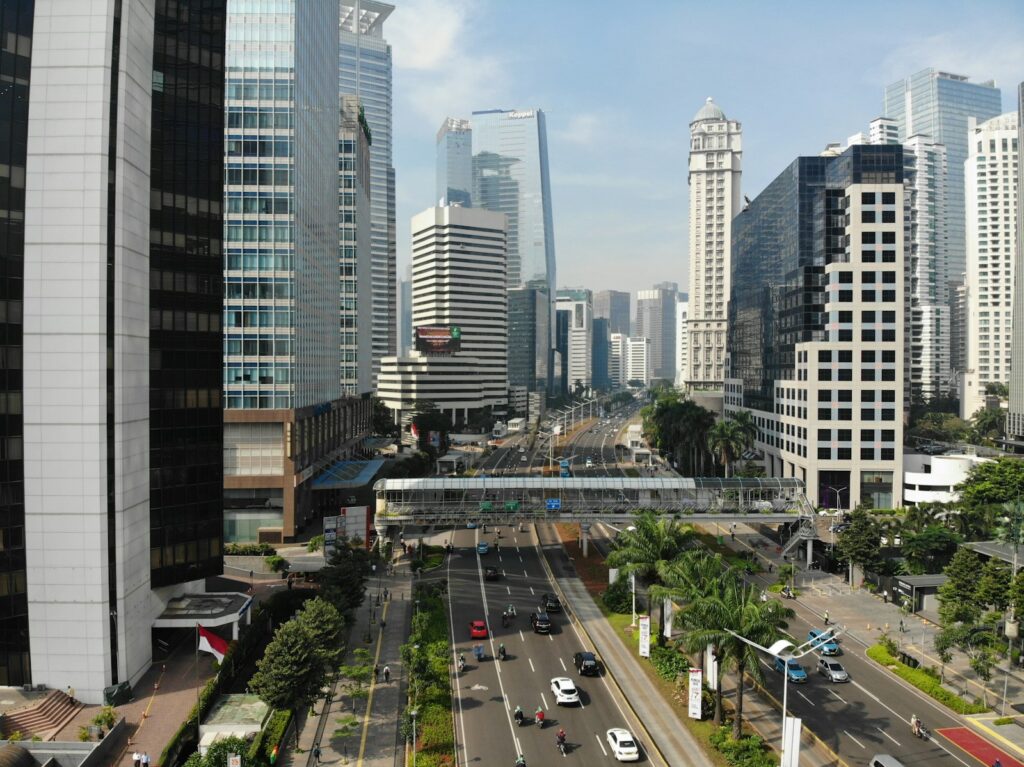
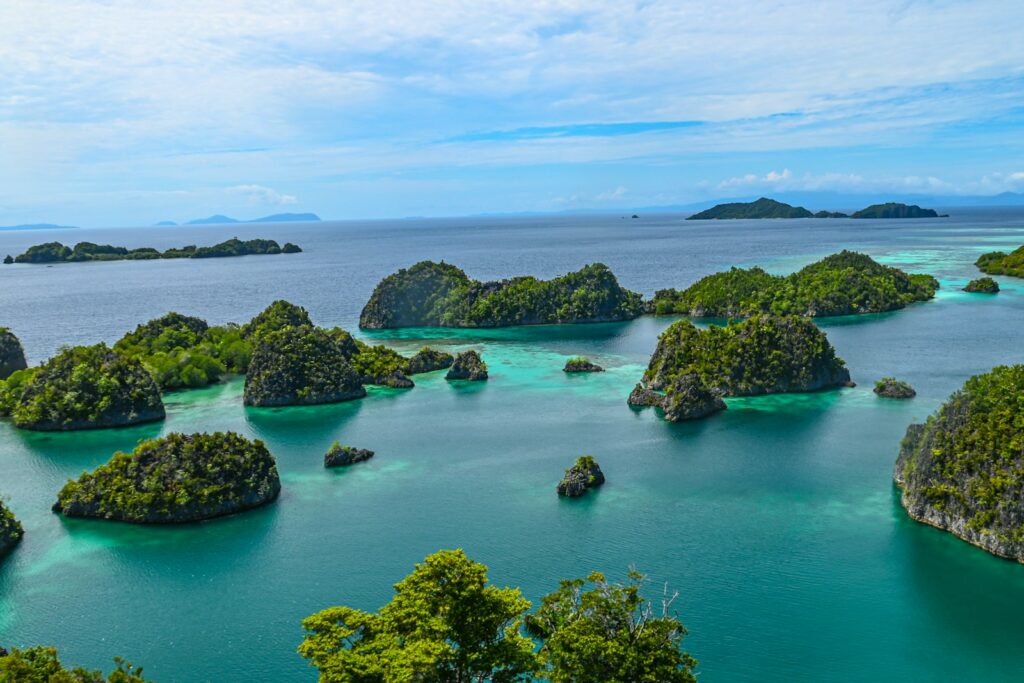
Jakarta, often overlooked in favour of its more glamorous island neighbour, is a city of genuine urban sophistication shopping malls and skyscrapers, a growing MRT network, world-class restaurants, and the most developed corporate employment market in Southeast Asia. And beyond both of these, a country of 17,000 islands and 270 million people offers lifestyle options that range from the quietly rural to the quietly cosmopolitan, many of them at a cost that leaves Western expats consistently surprised.
This guide covers everything you need to make the move to Indonesia in 2026 with clarity and confidence the visas that actually work, where to base yourself, what things genuinely cost, how to find housing, how healthcare operates, what the tax situation looks like, and what mistakes to avoid.
Is Indonesia the Right Place for You?
Indonesia rewards those who engage with it on its own terms and gently frustrates those who arrive expecting it to conform to imported expectations. Being honest about fit before the flights are booked saves a great deal of adjustment cost later.
Indonesia works exceptionally well for:
- Digital nomads and remote workers earning in hard currencies who want to live exceptionally well on a modest budget. Bali in particular has built an entire ecosystem around this profile coworking spaces, co-living arrangements, visa pathways, and a community of like-minded professionals that makes it one of the easiest places in the world to arrive and immediately feel at home.
- Retirees with passive income seeking warmth, cultural richness, and an affordable lifestyle without sacrificing the access to good private healthcare and English-speaking services that Bali and Jakarta provide. The Silver-Hair retirement visa provides a formal pathway specifically for this profile.
- NGO and development sector professionals Indonesia hosts substantial operations from major international organisations, bilateral development agencies, and international NGOs, concentrated primarily in Jakarta.
- English teachers for whom Indonesia, and Jakarta in particular, provides a competitive market with international school salaries that compare well with the cost of living.
- Entrepreneurs and business operators attracted by a consumer market of 270 million people, a growing middle class, and a government that has made increasing effort to improve the investment environment.
- Families drawn by the outdoor lifestyle, the cultural immersion, and the quality of international schools in Jakarta and Bali that has improved substantially over the past decade.
- Long-term lifestyle migrants those who have decided that climate, food, community, and pace deserve more weight in their life decisions than they previously gave them. Indonesia delivers on all four.
An honest assessment of the pros and cons:
Pros: extraordinary natural and cultural environment across multiple islands, genuinely warm and hospitable local culture, very low cost of living particularly outside Bali and Jakarta’s premium zones, strong and growing expat communities in Bali and Jakarta, improving digital infrastructure particularly in Bali and Jakarta, exceptional food at every price point, easy regional travel within ASEAN, a country large and diverse enough that you can always find a corner that suits you better.
Cons: complex and sometimes inconsistently enforced visa and immigration rules, significant bureaucratic friction particularly around KITAS applications and renewals, air and noise pollution in Jakarta that challenges most newcomers, traffic congestion in both Jakarta and increasingly in Canggu, Bali, infrastructure variability outside major hubs, heat and humidity year-round with a pronounced monsoon season, limited specialist healthcare outside Jakarta and major Bali facilities, and a prohibition on foreigners owning land in their own name that requires careful legal navigation for property investment.

The Complete Guide
Indonesia’s Main Islands and Where to Live
Indonesia’s sheer geographic scale the archipelago stretches roughly the distance from London to Tehran means that choosing where to live is effectively choosing between different countries in terms of lifestyle, cost, culture, and infrastructure. Most expats concentrate in a handful of locations, each offering a genuinely distinct experience.
Bali
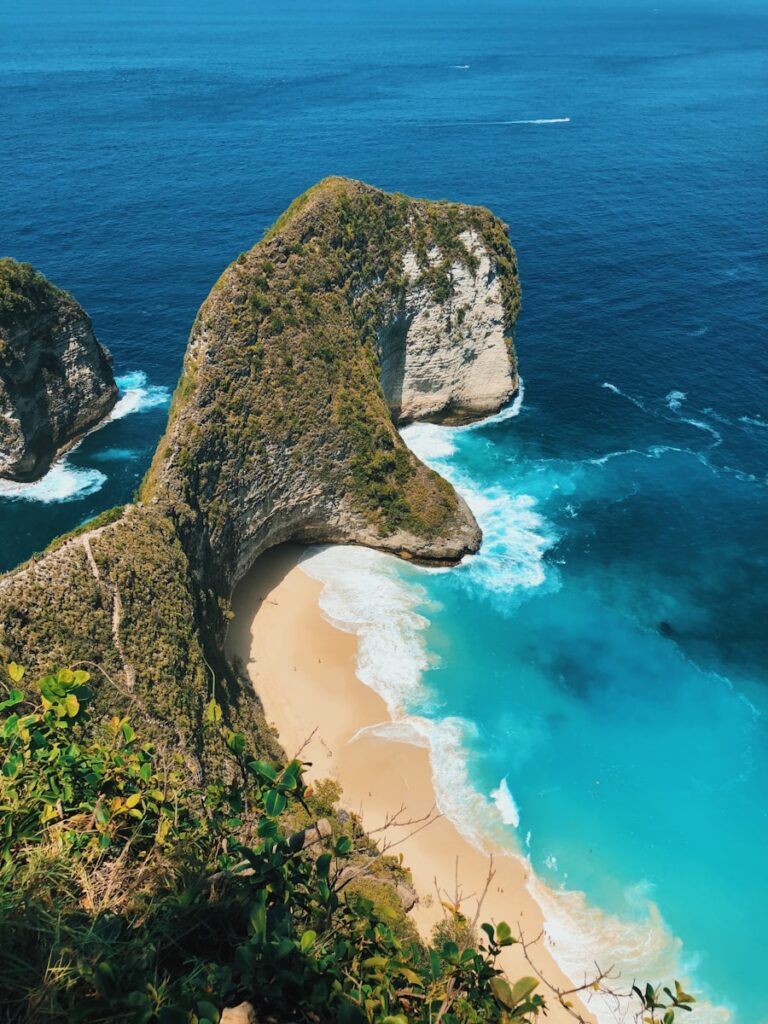
Bali is where most people who say they want to move to Indonesia actually mean. The island of four million people has built an expat infrastructure over the past fifteen years that is now more developed than almost any other non-capital expat destination in Southeast Asia.
English is widely spoken across the tourism and expat economy, the food scene is extraordinary, fast fibre internet is available throughout the main expat areas, and the combination of Hindu Balinese culture, surf beaches, rice terrace landscapes, and spiritual depth creates an environment that many people find genuinely difficult to leave.
The main expat zones each have their own character:
- Canggu — the current epicentre of Bali’s digital nomad scene. A beach town that has evolved rapidly from quiet rice paddies to a dense concentration of cafés, coworking spaces, surf schools, yoga studios, and villa rentals. The infrastructure is excellent by Indonesian standards and the expat community is young, international, and creative. The trade-off is that success has brought traffic, noise, and rising prices that have changed Canggu’s character considerably from its earlier incarnation.
- Seminyak and Kerobokan — more established, slightly older demographic than Canggu, with excellent restaurants, boutique shopping, and a beach scene that attracts a wealthier tourist and expat contingent. Higher costs than most of Bali but still reasonable by international standards.
- Ubud — Bali’s cultural and spiritual heart, set inland in the rice terrace hills. A very different energy from the coastal areas quieter, more focused, popular with artists, writers, yoga practitioners, and those seeking a more contemplative environment. The famous Elizabeth Gilbert effect from “Eat, Pray, Love” has somewhat faded, replaced by a more genuine community of long-term residents who chose Ubud deliberately. Internet and infrastructure are solid; the beach is a 45-minute drive away.
- Sanur — a quieter, more established expat neighbourhood popular with retirees and families. Calmer beach, good local infrastructure, and significantly less traffic than Canggu or Seminyak.
Jakarta
Indonesia’s capital of over ten million people is the country’s economic and administrative hub, and for expats whose relocation is driven by employment or business rather than lifestyle, it is the only realistic base.
Jakarta has genuine urban sophistication excellent private hospitals, the country’s strongest concentration of international schools, a developed corporate professional community, a growing MRT network, and a restaurant and cultural scene that is consistently underrated by those who have never given it proper attention.
The main expat neighbourhoods reflect Jakarta’s sprawling geography:
- Kemang — the traditional expat heartland, known for its restaurants, bars, international supermarkets, and villa-style housing behind compound walls. Popular with families and NGO workers.
- Pondok Indah — affluent residential area in South Jakarta, popular with corporate expats and families requiring access to the international schools concentrated in this corridor.
- SCBD (Sudirman Central Business District) and TB Simatupang — the primary corporate zones, surrounded by apartment towers and serviced residences popular with working professionals
Jakarta’s traffic is legendary in its severity. The city’s investment in the MRT Jakarta network with further extensions planned and the Transjakarta BRT system has improved the situation meaningfully in served corridors, but much of the city remains car-dependent and subject to gridlock that can add hours to otherwise short journeys.
Yogyakarta, Bandung, and Beyond
Yogyakarta — or Jogja as it is universally known is Indonesia’s cultural capital, home to Borobudur and Prambanan, two of the most significant Buddhist and Hindu temple complexes in the world, and to a thriving arts and university scene centred on Universitas Gadjah Mada. The expat community is small but engaged, costs are among the lowest of any Indonesian city with adequate services, and the pace of life is genuinely relaxed.
Bandung, three hours from Jakarta in the highlands of West Java, has a permanently mild climate (the altitude keeps temperatures comfortable year-round), a large student population, a thriving creative and fashion industry, and property costs well below Jakarta. It is attracting growing attention from remote workers seeking urban amenities at rural prices.
Lombok, immediately east of Bali, offers a quieter, less commercialised alternative similar natural beauty at significantly lower cost and tourist density. Infrastructure is improving but remains less developed than Bali, which suits some profiles perfectly and others not at all.
Visas and Long-Term Stay Options in Indonesia
Indonesia’s visa and residency framework is more complex than that of most Southeast Asian neighbours, and the rules particularly around sponsorship requirements and KITAS processing require careful navigation. The Directorate General of Immigration under the Ministry of Law and Human Rights administers the system, and its official website is the authoritative source for current requirements.
Tourist Visa (B211A)
Most Western nationalities receive a 30-day visa-free entry on arrival, extendable once for a further 30 days at an immigration office for approximately $35 USD. The B211A social-cultural or tourism visa, available in advance from Indonesian consulates or through the online e-visa portal, provides 60 days with extension options up to 180 days. These are short-stay mechanisms and not appropriate as a long-term residency strategy.
KITAS — Kartu Izin Tinggal Terbatas (Temporary Stay Permit)
The KITAS is the foundation of legal long-term residency in Indonesia for non-EU foreigners and the most important document to understand. It is a temporary stay permit valid for one or two years (renewable) that provides the legal basis for residing in Indonesia.
The critical complexity is that KITAS applications almost always require a sponsor (penanggung jawab) a legal entity or Indonesian national who formally takes responsibility for the foreign national’s stay.
KITAS categories include:
- Employment KITAS — sponsored by an Indonesian employer, linked to a formal work permit (IMTA). The employer handles the sponsorship and most of the documentation process.
- Investment KITAS — for those who have established a PT PMA (a foreign-owned limited liability company registered in Indonesia). Provides greater flexibility than employer-linked KITAS.
- Family-sponsored KITAS — for spouses of Indonesian nationals or KITAS holders, sponsored by the Indonesian family member.
- Retirement KITAS (Silver-Hair Visa) — Indonesia’s retirement visa pathway, covered below.
- Remote Worker KITAS (E33G) — the digital nomad permit, covered below.
Silver-Hair Visa — Indonesia’s Retirement Pathway
Indonesia’s retirement visa colloquially known as the Silver-Hair Visa provides a formal five-year stay permit for foreign nationals aged 55 and above who meet specific financial requirements.
Requirements include:
- Age 55 or above at time of application
- Proof of a pension or passive income meeting minimum monthly thresholds (verified with a Retirement KITAS sponsor, typically a notarised letter from a pension provider)
- A minimum deposit in an Indonesian bank account (specific amounts are subject to periodic revision verify current thresholds with the official immigration authority or a reputable visa agent)
- Comprehensive health insurance covering Indonesia
- No intention to work in Indonesia
The Silver-Hair Visa provides multi-entry access and is renewable at the five-year mark subject to continued eligibility.
Digital Nomad / Remote Worker Visa (E33G KITAS)
Indonesia introduced a dedicated remote worker visa category the E33G KITAS providing a legal residency pathway for foreign nationals who work remotely for employers or clients based entirely outside Indonesia.
Key features:
- Valid for one year, renewable
- Requires proof of remote employment or freelance income from non-Indonesian sources
- Income from foreign sources is exempt from Indonesian income tax for qualifying E33G holders a significant financial benefit
- Requires health insurance covering Indonesia
- Does not permit the holder to work for Indonesian companies or earn Indonesian-sourced income
Applications are processed through Indonesian consulates abroad or through the immigration authority within Indonesia. Given the complexity of the application process, most expats use reputable local visa agents who specialise in KITAS processing.
KITAP — Kartu Izin Tinggal Tetap (Permanent Stay Permit)
The KITAP is Indonesia’s long-term residence permit, available to those who have held a KITAS for a minimum of five consecutive years or to spouses of Indonesian nationals who have held a family KITAS for two years. It provides a renewable five-year permit with fewer administrative requirements than annual KITAS renewals.
Indonesia visa and residency overview:
| Permit Type | Who It Suits | Duration | Key Requirement |
|---|---|---|---|
| B211A Tourist / Visa-Free | Short stays only | 30–60 days extendable to 180 | Passport from qualifying country |
| Employment KITAS | Locally employed expats | 1–2 years (renewable) | Indonesian employer sponsorship + work permit |
| Investment KITAS | Entrepreneurs with PT PMA | 1–2 years (renewable) | Registered Indonesian company |
| Silver-Hair Retirement KITAS | Retirees aged 55+ | 5 years | Age, passive income, bank deposit |
| E33G Remote Worker KITAS | Digital nomads, remote workers | 1 year (renewable) | Proof of foreign-source remote income |
| KITAP | Long-term residents (5+ years KITAS) | 5 years (renewable) | 5 continuous years of KITAS |
The Complete Guide
Cost of Living in Indonesia: What to Budget
Indonesia’s cost of living is genuinely low across most of the country, with Bali’s premium expat zones and Jakarta’s corporate residential areas sitting at the higher end of a range that drops dramatically once you move into less tourist-heavy territory.
| Category | Jakarta (Monthly) | Bali — Canggu / Seminyak (Monthly) | Bali — Ubud / Sanur (Monthly) | Yogyakarta / Bandung (Monthly) |
|---|---|---|---|---|
| Rent — 1 bed apartment / villa | IDR 6–18M ($375–$1,125) | IDR 8–25M ($500–$1,560) | IDR 4–12M ($250–$750) | IDR 2–6M ($125–$375) |
| Rent — 2 bed villa / house | IDR 10–30M ($625–$1,875) | IDR 12–40M ($750–$2,500) | IDR 6–18M ($375–$1,125) | IDR 3–9M ($188–$563) |
| Utilities (electricity, water) | IDR 800K–2.5M ($50–$156) | IDR 1–3M ($63–$188) | IDR 700K–2M ($44–$125) | IDR 500K–1.5M ($31–$94) |
| Groceries (couple, mix local/imported) | IDR 2–5M ($125–$313) | IDR 2.5–6M ($156–$375) | IDR 1.8–4.5M ($113–$281) | IDR 1.2–3M ($75–$188) |
| Eating out (mix local and western) | IDR 1.5–5M ($94–$313) | IDR 2–7M ($125–$438) | IDR 1.5–5M ($94–$313) | IDR 800K–2.5M ($50–$156) |
| Transport (Gojek, Grab, motorbike) | IDR 800K–2.5M ($50–$156) | IDR 600K–2M ($38–$125) | IDR 500K–1.5M ($31–$94) | IDR 400K–1.2M ($25–$75) |
| Mobile data and internet | IDR 300K–700K ($19–$44) | IDR 300K–700K ($19–$44) | IDR 300K–700K ($19–$44) | IDR 200K–500K ($13–$31) |
| International health insurance | IDR 1.2–3.5M ($75–$219) | IDR 1.2–3.5M ($75–$219) | IDR 1.2–3.5M ($75–$219) | IDR 1.2–3.5M ($75–$219) |
(Exchange rates approximate at IDR 16,000 per USD verify current rates through Bank Indonesia)
A single person living comfortably in Canggu, Bali a decent one-bedroom villa, regular restaurant meals at a mix of warung and western cafés, health insurance, Gojek for transport, and entertainment can expect to spend between $1,200 and $2,500 USD per month depending on lifestyle choices and villa quality. In Ubud or Sanur, the equivalent lifestyle costs $800 to $1,600. In Yogyakarta or Bandung, the same quality of life is achievable for $500 to $1,000 USD.
Indonesia’s economy is predominantly rupiah-denominated (IDR), unlike Cambodia’s dollar economy. This means exchange rate movements affect expat purchasing power meaningfully monitoring the IDR/USD rate through Wise and converting income at favourable moments is a habit worth developing.
Electricity costs deserve specific mention. Indonesia’s electricity tariff is government-managed through PLN (Perusahaan Listrik Negara) but rates for foreigners in premium villa and apartment rentals are sometimes charged at above-tariff rates by landlords.
Air conditioning in tropical heat is not optional for most people and is the dominant electricity cost budget IDR 1 million to 3 million ($63 to $188) per month depending on usage and property size.
Street food and local warung meals remain one of Indonesia’s great joys and great values. A plate of nasi campur (mixed rice with various side dishes) at a local warung costs IDR 15,000 to 30,000 (under $2). Bakso (meatball soup), mie goreng (fried noodles), and sate from street carts are similarly priced. Even in Canggu’s heavily expat-facing café scene, a good coffee and meal costs a fraction of equivalent in a Western city.
Finding Housing: Renting and Buying in Indonesia
Indonesia’s housing market presents expats with a range of options that varies dramatically between Bali’s villa-dominated rental economy and Jakarta’s apartment and compound-house market. Understanding the norms and the pitfalls before you start searching is essential.
Key points for renters:
- The primary listing platforms are Rumah.com, 99.co, and various Bali-specific villa rental sites. For Canggu and wider Bali, Facebook groups including Canggu Community and Bali Villas and Apartments for Rent are among the most active and useful channels.
- Indonesian rental contracts particularly in Bali frequently operate on annual or multi-year “kontrak” terms paid entirely upfront. A two-year villa rental in Bali paid entirely in advance is not unusual, which requires a significant initial capital commitment.
- Security deposits of one to two months’ rent are standard in Jakarta apartment rentals and increasingly common in Bali. Ensure deposit return conditions are clearly written in any contract.
- Utilities electricity (PLN), water, internet, and sometimes a security guard fee are typically billed separately from rent.
- For Bali villas specifically, clarify whether the advertised rent includes a pool maintenance fee, gardener, and cleaning service, as these are often included in higher-end villa rentals and their omission from the quote materially affects the true cost comparison.
Typical housing options:
- Private villas — the defining housing form for Bali expats. Range from modest one-bedroom garden villas in the $400 to $800 per month range to architecturally spectacular luxury properties well above $3,000. Most come with private gardens and pools at the upper-mid price point.
- Apartments and condominiums — the standard form in Jakarta. Modern high-rise apartments in Kemang, SCBD, and the Sudirman corridor range from modest furnished units at IDR 5–8 million per month to premium serviced apartments at IDR 25 million and above.
- Serviced residences — popular with corporate expats arriving on assignment packages, offering hotel-like services with longer-stay pricing. Costs are higher per square metre but administrative friction is minimal.
- Shared housing and co-living — increasingly formalised in Canggu and Ubud through purpose-built co-living spaces that combine private rooms or suites with shared coworking and social infrastructure. Popular with newer arrivals building their community before committing to a solo villa.
Buying property in Indonesia:
Foreign nationals cannot own land (Hak Milik / SHM title) in their own name in Indonesia. This is a constitutional restriction, not simply a regulatory one, and circumventing it through nominee arrangements where a trusted Indonesian national holds title on a foreigner’s behalf carries serious legal and financial risk, has resulted in documented disputes, and should be firmly avoided despite its historical prevalence.
The primary legal option for foreign property investment is Hak Pakai (Right of Use) a 30-year registered title extendable for 20 years and renewable for a further 30, providing long-term usage rights without formal ownership. This title is registerable in a foreigner’s name directly and provides meaningful security, though it is not equivalent to freehold ownership.
Hak Guna Bangunan (HGB) Right to Build is available to foreign-owned companies (PT PMA) and provides a 30-year land use right extendable to 80 years under current regulations. For those investing through a PT PMA structure, HGB provides a legally sound framework for property development and use.
Condominium units (strata-title apartments) are available for direct foreign purchase within specific quotas and price floor thresholds set by the government, providing another avenue for direct investment.
Engaging an independent Indonesian notaris (notary) and a reputable property lawyer before any purchase transaction is non-negotiable. The Indonesian Notary Association (INI) provides a directory of registered notaries.
Healthcare and Medical Services in Indonesia
Healthcare is the area of Indonesian life where the gap between Jakarta and Bali and the rest of the country is most consequential, and it requires honest assessment when choosing where to base yourself.
Jakarta’s private hospital sector is genuinely strong by Southeast Asian standards. Several facilities in the capital deliver care at a level that is internationally accredited and capable of handling most medical conditions short of the most complex specialised procedures.
Bali has improved substantially, with several international-grade facilities now operating on the island, though evacuation to Singapore or Bangkok remains the standard protocol for serious conditions among those with adequate insurance.
Outside Jakarta and Bali, private hospital quality drops off significantly, and for complex or emergency medical needs, travel to Jakarta or international evacuation is the practical reality.
Leading private healthcare providers serving expats:
- Siloam Hospitals — Indonesia’s largest private hospital network, with facilities across Jakarta, Bali, Surabaya, Bandung, and other major cities. Quality varies by location but the flagship Jakarta facilities are the strongest in the country. siloamhospitals.com
- RS Premier Bintaro and RS Premier Jatinegara (Jakarta) — premium private facilities under the Ramsay Sime Darby Health Care group, popular with the corporate expat community in Jakarta
- BIMC Hospital Bali — the longest-established international-standard clinic on Bali, with facilities in Kuta and Nusa Dua. Popular with the expat community for routine and emergency care. bimcbali.com
- Bali International Hospital — newer facility with more comprehensive surgical capabilities than earlier Bali options, expanding the island’s capacity for in-country care
- International SOS — operates clinics in Jakarta and Bali catering to the diplomatic and corporate expat community, with strong evacuation coordination capabilities. internationalsos.com
International health insurance is essential for all expats in Indonesia. The public healthcare system BPJS Kesehatan is not accessible to foreign nationals without KITAS status, and even for those who qualify, the public facilities are not suitable for the majority of expat healthcare needs.
More critically, the real risk of needing medical evacuation to Singapore or Bangkok which costs $20,000 to $50,000 or more without insurance makes comprehensive coverage with an evacuation benefit non-negotiable.
Recommended insurers with strong Indonesia and regional evacuation coverage include Cigna Global, AXA International, Pacific Cross (particularly strong for Southeast Asian networks), Bupa International, and SafetyWing for budget-conscious travellers comfortable with higher risk tolerance. Verify that your policy covers medical evacuation specifically, as some plans exclude it or cap it at levels insufficient for realistic evacuation costs.
Public pharmacies (apotek) in major cities stock a reasonable range of medications, and Kimia Farma is the largest national pharmacy chain. Many common medications are available without prescription, but availability of specific brands and formulations is variable bringing a three-month supply of any regular prescriptions from home is strongly advisable.
Taxes, Banking, and Money in Indonesia
The Indonesian Tax System
Indonesia taxes residents on worldwide income, with tax residency triggered by spending more than 183 days in Indonesia in any twelve-month period. The Directorate General of Taxes (DJP) administers the system, and its official guidance is the authoritative source for current rules.
Indonesian personal income tax rates for residents operate on a progressive scale:
| Annual Taxable Income (IDR) | Tax Rate |
|---|---|
| 0 – 60,000,000 (~$3,750) | 5% |
| 60,000,001 – 250,000,000 (~$15,625) | 15% |
| 250,000,001 – 500,000,000 (~$31,250) | 25% |
| 500,000,001 – 5,000,000,000 (~$312,500) | 30% |
| Above 5,000,000,000 | 35% |
The E33G remote worker tax exemption is a significant benefit for qualifying digital nomads: foreign-source income earned by E33G KITAS holders is not subject to Indonesian income tax, provided the income originates entirely from outside Indonesia.
This is one of the most financially attractive aspects of the remote worker visa and distinguishes Indonesia’s offer from several competing destinations in the region.
Indonesia has double taxation agreements with approximately 70 countries, including the United States, United Kingdom, Australia, Germany, the Netherlands, and most major expat-origin nations.
The interaction between these treaties and Indonesian domestic tax law is complex enough that professional advice from a qualified Indonesian tax consultant is worthwhile for anyone with significant income recommended firms include DDTC, MUC Consulting, and international accounting firms with Indonesian offices.
Banking in Indonesia
Opening an Indonesian bank account requires a valid KITAS visitor visa holders cannot open standard accounts, which is one of the practical reasons that establishing a proper long-stay permit is a priority.
Once KITAS is in hand, the major banks serving the expat community are:
- BCA (Bank Central Asia) — widely regarded as Indonesia’s best-managed private bank, with the strongest digital banking infrastructure. The BCA mobile app is excellent and the most widely accepted payment network among merchants. bca.co.id
- Bank Mandiri — state-owned, largest bank in Indonesia by assets, with good branch coverage and functional digital banking
- BNI (Bank Negara Indonesia) — state-owned, well-regarded for international transfers and services
- CIMB Niaga — part of the Malaysian CIMB Group, popular with expats for its English-language service capability and cross-border banking familiarity
Indonesia’s digital payment ecosystem is among the most advanced in Southeast Asia and has transformed everyday transactions.
Key platforms:
- GoPay — integrated into the Gojek super-app, widely accepted at restaurants, cafés, and retailers
- OVO — backed by Grab and widely accepted across the country
- DANA — independent digital wallet with broad merchant acceptance
- LinkAja — backed by state-owned enterprises, widely used for utility payments and government services
Most Bali and Jakarta expats use a combination of a BCA account for local banking and a service like Wise for receiving income from abroad and converting to IDR at rates significantly better than bank transfers.
ATMs are widely available in major cities and expat areas. In Bali, ATMs in Canggu, Seminyak, and Ubud are plentiful. In more remote areas of Indonesia, ATM availability drops off sharply and cash planning is essential.
The Complete Guide
Work, Teaching, and Remote-Work Opportunities
Indonesia’s employment landscape for expats operates in two distinct tiers: the formal local job market, which requires a work permit (IMTA) linked to an employment KITAS sponsored by an Indonesian entity, and the remote work economy, for which the E33G KITAS provides a proper legal pathway.
Common expat employment paths:
- English teaching at international schools is the most accessible formal employment pathway for qualified educators. Jakarta’s international school sector is the strongest in the country, with institutions including Jakarta Intercultural School (JIS), British School Jakarta, and Jakarta International Korean School paying competitive international educator salaries. Bali has a growing bilingual school sector, though compensation is lower than Jakarta.
- Corporate and professional roles in Jakarta’s multinational corporate sector finance, resources, manufacturing, FMCG employ foreign nationals with relevant specialist expertise through formal work permit arrangements.
- NGO and development sector roles are concentrated in Jakarta, where regional and country offices of major international organisations operate, with field operations across the archipelago.
- Startup and tech sector employment is growing, centred on the Jakarta startup ecosystem which has produced several Southeast Asian unicorns and attracts regional talent.
- Tourism and hospitality in Bali employs expats in management and specialist roles within the island’s extensive hotel, restaurant, and wellness industry.
- Remote work and freelancing for E33G KITAS holders working for foreign employers or clients, Indonesia provides an excellent base at very low cost with no local income tax liability.
Coworking spaces:
- GoWork (Jakarta and Bali) — Indonesia’s largest coworking network, with well-equipped spaces and good community programming. gowork.co.id
- Dojo Bali (Canggu) — one of Bali’s most established and respected coworking spaces, a central institution of the Canggu digital nomad community. dojobali.org
- Outpost (Ubud, Canggu) — well-regarded coworking and co-living operator with multiple Bali locations. outpost-asia.com
- Livit (Canggu) — popular coworking hub with a strong community atmosphere
Day-to-Day Life: Language, Culture, and Integration
Bahasa Indonesia the national language, a standardised form of Malay is one of the more accessible Asian languages for English speakers. It uses the Latin script (no new alphabet to learn), has no tones, and a relatively regular grammar structure.
Basic conversational Bahasa Indonesia is achievable within two to three months of consistent study, and even a modest competency dramatically improves daily interactions, opens access to local pricing at markets and transport, and is received by Indonesian people with genuine warmth and appreciation.
In Bali, an additional layer of Balinese language and culture exists alongside Bahasa Indonesia. Balinese Hinduism a unique synthesis of Indian Hinduism and indigenous Balinese animist traditions shapes daily life in ways that constantly surprise and interest newcomers: elaborate daily offerings (canang sari) placed at doorways and temples, the frequency of ceremonies and processions that close roads and fill neighbourhood streets, the intricate system of the Balinese calendar that governs ceremonial life.
Resources for learning Bahasa Indonesia:
- The Indonesian Embassy’s cultural centres in major countries offer Indonesian language classes
- Colloquial Indonesian (Routledge) and Indonesian: A Comprehensive Grammar are standard textbook resources
- Apps including Pimsleur (Indonesian module), Duolingo, and Ling provide accessible daily practice
- Language exchange apps including Tandem and HelloTalk connect you with Indonesian speakers learning English a mutually beneficial arrangement at no cost
Culturally, Indonesia is the world’s largest Muslim-majority country, though this manifests very differently in conservative Aceh, cosmopolitan Jakarta, and Hindu Bali. Understanding and respecting the religious context of wherever you are based is not merely polite it is the foundation of good community relations.
Dressing modestly when visiting mosques and temples, observing Ramadan awareness (not eating or drinking publicly in front of fasting people during daylight hours outside explicitly tourist contexts), and learning which public holidays carry religious significance are all basic aspects of respectful integration.
Key festivals and public holidays expats should know:
- Lebaran / Eid al-Fitr — the end of Ramadan, celebrated across the Muslim-majority country with nationwide travel that effectively shuts down cities as Indonesians return to their home provinces. Plan accordingly Bali and Jakarta become quieter; airports and highways become extremely crowded.
- Nyepi — Bali’s Hindu New Year, the Day of Silence, on which the entire island goes silent for 24 hours. No lights, no noise, no movement outside a remarkable and unique experience that first-time observers find either profoundly peaceful or slightly unnerving.
- Waisak — the Buddhist celebration of Buddha’s birth, enlightenment, and death, centred on the Borobudur temple complex in Yogyakarta. A ceremony of extraordinary beauty.
- Indonesian Independence Day — August 17th, celebrated across the country with flag ceremonies, community events, and genuine national pride.
Joining expat Facebook groups Expats in Bali, Jakarta Expats, and city-specific groups is the most efficient route into the practical knowledge of the expat community. Most settled long-term expats are generous with advice and current information, and the communal knowledge base about visa agents, landlords, schools, and healthcare is genuinely valuable.
Transport, Safety, and Environment
Getting Around Indonesia
Transport in Indonesia ranges from genuinely excellent (Gojek and Grab in major cities) to adequately functional (intercity buses and trains in Java) to logistically complex (inter-island ferries and domestic flights across the archipelago).
Within Bali:
- Motorbike rental — the practical daily transport for most Bali-based expats. Costs IDR 500,000 to 800,000 per month for a basic scooter. Always wear a helmet; Bali’s roads have a poor safety record and traffic in Canggu has become genuinely challenging.
- Gojek and Grab — ride-hailing apps covering Bali’s main areas, providing cars and motorbike rides at transparent prices. Essential for those who do not ride motorbikes. gojek.com and grab.com/id
- Private drivers — many Bali expats engage a trusted private driver for longer trips, airport runs, and day excursions. Rates are very reasonable by Western standards.
Within Jakarta:
- MRT Jakarta — the growing metro network covering the north-south Bundaran HI to Lebak Bulus corridor and extensions. Clean, air-conditioned, and dramatically faster than road transport in served corridors. jakartamrt.co.id
- Transjakarta BRT — the Bus Rapid Transit network, the most extensive urban bus system in Southeast Asia, covering corridors across the city at very low cost
- Gojek and Grab — essential for the last mile between transit stations and destinations
- Private car — still necessary for many Jakarta journeys, though traffic congestion is severe
Between cities and islands:
- Domestic flights — the practical solution for inter-island travel across Indonesia’s vast geography. Lion Air, Batik Air (Lion Group’s full-service carrier), Citilink, and Garuda Indonesia serve the main routes. Fares are competitive when booked in advance.
- Java train services — operated by KAI (Kereta Api Indonesia), covering the main Java corridor from Jakarta through Yogyakarta and Surabaya. Comfortable, reliable, and reasonably priced. kai.id
- ASDP Indonesia Ferry — the state ferry operator connecting islands across the archipelago. indonesiaferry.co.id
Safety
Indonesia is generally safe for expats exercising ordinary awareness, and serious violent crime targeting foreigners is uncommon. The most frequently reported issues are:
- Petty theft — bag snatching from motorbikes, pickpocketing in crowded tourist areas (particularly around the Kuta-Legian-Seminyak tourist strip in Bali), and phone theft. Standard urban precautions apply.
- Traffic accidents — the most significant safety risk for most Indonesia-based expats, particularly motorbike riders in Bali and Jakarta. Consistent helmet use, sober riding, and defensive technique reduce the risk but do not eliminate it.
- Scams — gem scams, commission-based taxi routing, and increasingly sophisticated online scams targeting expats. Scepticism about approaches from strangers in tourist areas is the primary defence.
- Natural hazards — Indonesia sits on the Pacific Ring of Fire and experiences frequent seismic activity. Major earthquakes and volcanic eruptions are genuine risks, particularly in Lombok, Sulawesi, and around active volcanoes including Mount Agung in Bali and Mount Merapi in Java. Following the protocols of your home country embassy and BNPB (National Disaster Management Authority) provides guidance on current risk levels.
Your home country embassy in Jakarta the US Embassy, British Embassy, or relevant mission maintains current safety advisories and emergency contact information.
Climate and Environment
Indonesia’s equatorial climate means heat and humidity year-round, with a pronounced wet season (approximately October to April in Bali, variable across other islands) that brings heavy afternoon rainfall and occasional flooding. Jakarta’s wet season flooding is a genuine urban planning challenge in low-lying areas of the city.
Jakarta’s air quality is one of the city’s most serious quality-of-life challenges. The Indonesian capital has consistently ranked among the most polluted cities in the world by AQI measurement, driven by vehicle emissions, industrial activity, and geographic conditions that trap pollution in the Jakarta basin. Monitoring air quality through IQAir and investing in a high-quality HEPA air purifier for home use is strongly advisable for Jakarta residents.
Drinking tap water in Indonesia is not safe anywhere in the country. Bottled water (Aqua brand, part of the Danone group, is the most widely trusted) or a quality filtration system is essential. Dengue fever is endemic across Indonesia, with risk highest during and immediately after the wet season consistent mosquito bite prevention is sensible precaution year-round.

Bureaucracy, Pitfalls, and Expat Mistakes to Avoid
Indonesia’s immigration and administrative system is characterised by a complexity that rewards patience, professional support, and meticulous documentation. Rules that appear straightforward on official websites are sometimes applied inconsistently at the office level, and the landscape of permissible activities under different visa categories is not always as clearly communicated as expats would like.
Common bureaucratic friction points:
- KITAS applications require comprehensive documentation sponsorship letters, health certificates, criminal background checks, passport-sized photos in specific format and background and incomplete applications are returned rather than queried, causing significant delays
- KITAS renewal processing times are often longer than anticipated, creating gaps in legal status that require careful management
- The sponsorship requirement for most KITAS categories means that changing circumstances an employer change, a business restructure can affect visa status in ways that are not always immediately obvious
- IMEI registration foreign phones brought into Indonesia must be registered with the Ministry of Communication to continue functioning on Indonesian networks. This requirement catches new arrivals off guard and must be completed within a specific window of arrival.
The most consequential expat mistakes:
- Overstaying your visa. Overstay fines are IDR 1,000,000 per day (approximately $63), and serious overstays can result in deportation and entry bans. Track your visa status carefully and work with a visa agent if there is any uncertainty about your current status.
- Signing a lease without clear written terms particularly in Bali, where upfront annual payments are the norm. Ensure the contract specifies the refund conditions (if any) for early termination, the precise deposit amount and return conditions, and the utility billing methodology.
- Working on a tourist or visit visa. Indonesia’s work permit system is enforced, and foreigners found to be working without an IMTA work permit face fines, deportation, and entry bans. For remote workers, the E33G KITAS provides the appropriate legal framework and should be obtained before commencing any productive work activity from Indonesia.
- Nominee land ownership. Agreements where an Indonesian national holds land title on a foreigner’s behalf are legally unenforceable and have resulted in documented cases where the nominal owner has exercised their legal rights over the property. Always structure property involvement through legally sound mechanisms Hak Pakai, PT PMA, or registered condominium ownership.
- Skipping international health insurance. The combination of limited public system access for foreigners and the real prospect of medical evacuation costs makes adequate coverage non-negotiable.
Checklist: Step-by-Step Before You Move to Indonesia
Six to three months before departure:
- Determine your visa and KITAS pathway E33G for remote workers, Silver-Hair for retirees aged 55+, Employment KITAS for locally employed workers, Investment KITAS for those establishing a PT PMA
- Gather required documents: passport with at least 18 months of validity, passport photographs in Indonesian immigration-specified format, criminal background check from your home country (apostilled), proof of income or financial means, health certificate, and any sponsorship documentation
- Identify and engage a reputable Indonesian visa agent in your target city recommendations circulate in expat Facebook groups and are the most reliable sourcing method
- Research target city and neighbourhood based on your lifestyle and infrastructure priorities
- Arrange comprehensive international health insurance covering Indonesia with a medical evacuation benefit do not arrive without this
- Register your foreign mobile phone’s IMEI with the Indonesian Ministry of Communications before departure or immediately on arrival to avoid network disconnection
One to two months before departure:
- Book temporary accommodation for the first four to eight weeks short-term villa rentals in Bali, serviced apartments in Jakarta, or guesthouses in other cities allow time for in-person neighbourhood research before committing to a longer lease
- Research international schools if relocating with children Jakarta’s most sought-after international schools have waiting lists that open well in advance
- Arrange any prescription medications for at least three months’ supply, as availability of specific brands is variable in Indonesia
- Join the key expat Facebook groups for your target location Expats in Bali, Bali Villas for Rent, Jakarta Expats, and city-specific groups provide current practical knowledge that no guide can fully substitute
- Set up Wise or Revolut for receiving income from abroad and converting to IDR these services provide significantly better exchange rates than Indonesian bank international transfer services
- Prepare a cash buffer of $3,000 to $5,000 USD equivalent for initial setup costs including first and last month rent, deposit, and administrative fees
Arrival week:
- Obtain a local SIM card at the airport: Telkomsel (the most reliable network nationally), XL Axiata, and Indosat Ooredoo all offer good data plans. A monthly data SIM costs IDR 80,000 to 200,000 ($5 to $12).
- Register your foreign phone’s IMEI if not done before departure: instructions are available through the Ministry of Communications portal
- Begin the KITAS application process immediately with your visa agent: do not let your initial entry stamp approach expiry without the process underway
- Open a BCA bank account as soon as your KITAS is issued: bring your KITAS, passport, and proof of address
- Set up GoPay or OVO through the respective apps for daily local payments: most merchants in Bali and Jakarta now accept digital payments
- Begin the neighbourhood walk-around: visit target areas in person, view villa or apartment options, talk to expats in coworking spaces and cafés, and gather the ground-level knowledge that no amount of online research can provide
The Complete Guide
Conclusion — Is Moving to Indonesia Right for You in 2026?
Indonesia in 2026 is a country of genuine complexity and genuine reward. The bureaucratic friction is real KITAS applications are genuinely involved, the rules are genuinely inconsistent in their application, and the consequences of getting the visa situation wrong are genuinely significant.
The infrastructure variability between a Canggu coworking space with 100Mbps fibre internet and a village on a smaller island with no reliable electricity is genuinely extreme. And Jakarta’s pollution and traffic are genuinely difficult for many people who arrive expecting something more immediately liveable.
And yet. Bali remains one of the most compelling places on earth to build a daily life for the quality of its natural environment, the depth of its culture, the warmth of its people, the extraordinary value that a Western income delivers there, and the community of interesting, motivated, globally connected people who have chosen it as their base.
Jakarta rewards those who give it genuine attention with one of Southeast Asia’s most sophisticated and cosmopolitan urban experiences at a cost that leaves most European capitals looking very expensive indeed. Yogyakarta and Bandung offer quality of life and cultural richness at prices that make almost any income look comfortable.
The expats who thrive in Indonesia are those who approach it with patience, genuine curiosity, adequate professional support for the visa process, and a real engagement with the language and culture rather than a retreat into the expat bubble.
For those people and there are many of them, building good lives across this extraordinary archipelago Indonesia delivers something that is very hard to find at this price point anywhere else: a life of warmth, beauty, cultural depth, and community, in one of the world’s most fascinatingly complex countries.
The paperwork is navigable with the right support. The language opens up with time. The heat becomes background rather than obstacle. And on the other side of the early friction is a country that rewards sustained engagement with a generosity human, cultural, and environmental that most of its residents find, ultimately, impossible to leave.